
Best Place to Buy Lab Grown Diamonds UK: What to Look For
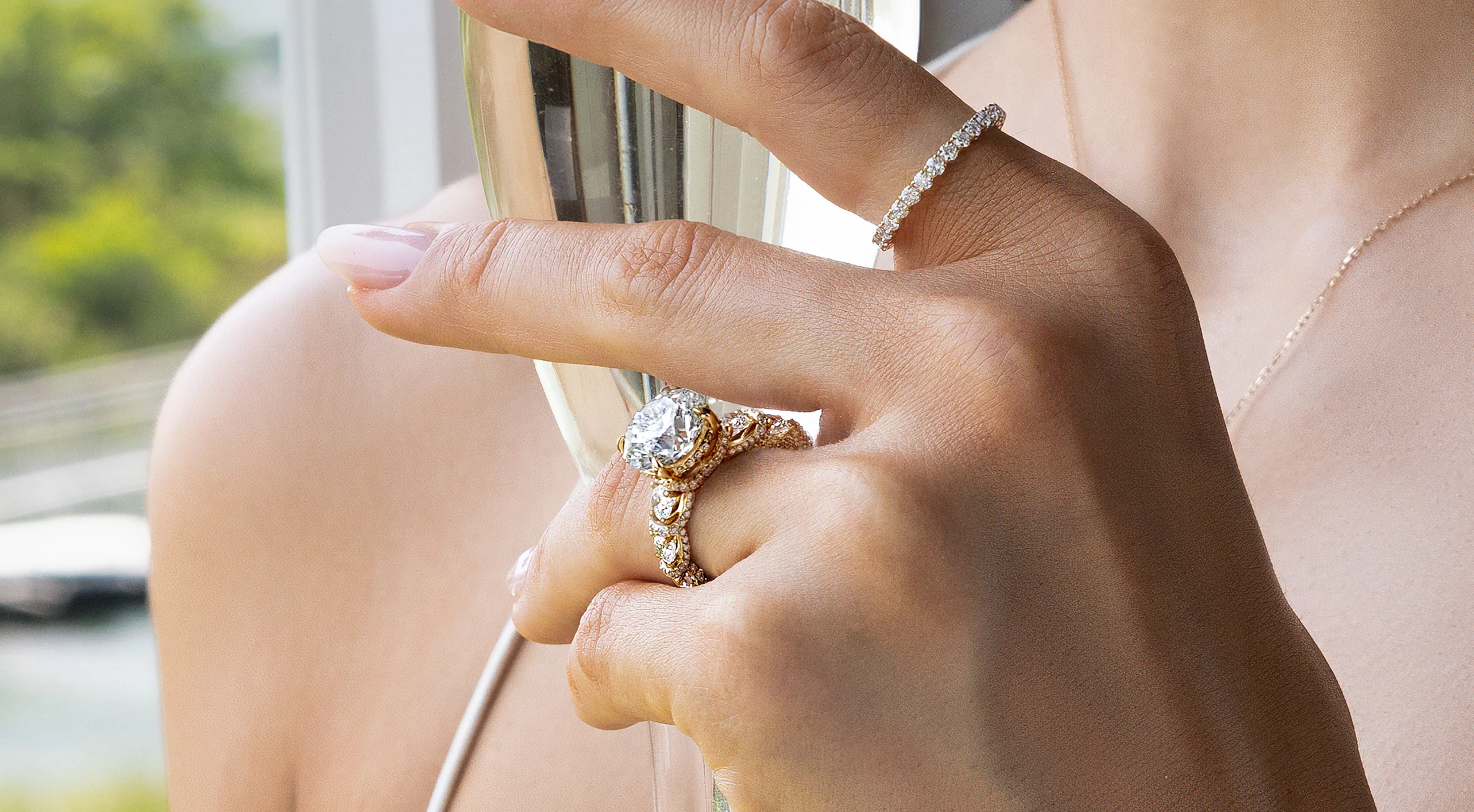
If you are searching for the best place to buy lab grown diamonds UK, it is important to look beyond price alone. Lab grown diamonds have become an increasingly accessible option for engagement rings, wedding jewellery, and other fine jewellery pieces. However, the quality of the stone, reliability of the retailer, certification, setting, returns policy, and after-sales support can all affect the buying experience.
A lab grown diamond is a real diamond with essentially the same crystal structure and chemical composition as a mined diamond. It is produced using technology such as chemical vapour deposition (CVD) or high-pressure high-temperature (HPHT) methods. GIA reports for laboratory-grown diamonds identify the growth method and can also document post-growth treatment where applicable.
If you are comparing lab grown diamonds in the UK, the following factors can help you make a more informed purchase.
Understand What Lab Grown Diamonds Are
Lab grown diamonds are created in controlled laboratory environments rather than formed naturally underground over geological periods. They are not diamond imitations such as cubic zirconia or moissanite.
The main distinction is their origin. A laboratory-grown diamond can still have the characteristics buyers traditionally associate with diamonds, including brilliance, hardness, and the ability to be graded according to recognised quality factors.
The two commonly discussed production methods are CVD and HPHT. The method used does not by itself tell you whether a particular diamond is the right choice, so buyers should also consider its grading information and physical characteristics.
What Makes the Best Place to Buy Lab Grown Diamonds UK?
There is no single retailer that is objectively the best for every buyer. Instead, look for a seller that provides transparent information and makes it possible to compare stones properly.
1. Look for Independent Diamond Grading
One of the most useful documents when buying a diamond is an independent grading report.
A grading report provides information about characteristics such as colour, clarity, and carat weight. GIA, for example, provides laboratory-grown diamond reports with a full 4Cs assessment and information about growth type and post-growth treatment.
Before purchasing, check that the report corresponds to the actual stone being offered. GIA also provides a report-verification service through its database.
This is particularly useful when shopping online because photographs and videos cannot provide all the information contained in a professional grading report.
2. Compare Cut, Not Just Carat
A common mistake is to focus heavily on carat weight.
A larger diamond is not automatically more attractive. Cut quality can have a major influence on how effectively a diamond reflects and returns light. GIA notes that cut affects characteristics such as brightness, fire, and scintillation.
When comparing lab grown diamonds, consider:
- Carat weight
- Colour
- Clarity
- Cut
- Polish
- Symmetry
- Proportions
- Shape
- Certification
Two diamonds with the same carat weight can look noticeably different because their proportions, cut quality, and clarity characteristics differ.
Check the Diamond's Certification
Certification or grading documentation gives buyers a structured way to understand what they are purchasing.
For GIA laboratory-grown diamond reports, the diamond's girdle is laser-inscribed with the report number and the words “LABORATORY-GROWN.”
If a retailer provides a report number, use the relevant laboratory's verification service rather than relying solely on an image or PDF supplied by the seller.
This simple check can help confirm that the documentation corresponds with the stone.
Consider the Jewellery Setting
If you are buying a complete engagement ring rather than a loose diamond, the setting deserves just as much attention as the stone.
Popular options include:
- Solitaire settings
- Halo settings
- Three-stone rings
- Pavé settings
- Bezel settings
- Cathedral settings
The metal also affects the appearance and durability of the finished piece. Common choices include platinum, 18ct gold, and 9ct gold.
Think about everyday wear when choosing the setting. A design that looks beautiful in photographs may not necessarily be the most convenient option for someone's lifestyle.
Check UK Hallmarking Requirements
When purchasing jewellery containing precious metals in the UK, hallmarking is another important consideration.
UK government guidance explains that precious-metal items above specified weight thresholds must carry legally recognised hallmarks when described as gold, silver, platinum, or palladium. The hallmark helps establish the authenticity and purity of the precious metal.
For example, the minimum weight thresholds listed in the UK guidance are 1 gram for gold, 7.78 grams for silver, 0.5 gram for platinum, and 1 gram for palladium.
This requirement concerns the precious-metal jewellery, not the laboratory-grown diamond itself.
If you are purchasing online, UK hallmarking rules still apply. The British Hallmarking Council also advises consumers to check where the seller is based because enforcing legal rights can be more difficult when buying from a trader outside the UK.
Compare Prices Carefully
One attraction of lab grown diamonds is that buyers can often compare a wider range of specifications within a particular budget.
However, comparing only the headline price can be misleading.
When comparing two retailers, look at the complete package:
- Diamond specifications
- Grading report
- Metal type
- Ring craftsmanship
- Setting quality
- Delivery
- Insurance options
- Resizing
- Returns
- Warranty or guarantee
- After-sales service
A cheaper listing may not represent better overall value if important services are excluded.
Also check whether the displayed price includes VAT and whether additional delivery or customisation costs apply. UK retail guidance requires displayed product prices to be in sterling and include VAT where applicable.
Read the Returns and Resizing Policy
Jewellery is a significant purchase, so understand the retailer's policies before paying.
Look specifically for information about:
- Returns periods
- Refund conditions
- Ring resizing
- Bespoke jewellery exclusions
- Repairs
- Warranty coverage
- Delivery insurance
- Exchange options
This becomes particularly important with engagement rings because ring size can sometimes be difficult to determine accurately before the proposal.
If the jewellery is made specifically to order, the retailer may apply different terms from those used for standard-stock products.
Buy From a Transparent Retailer
A reputable jewellery retailer should provide clear information about its business, products, pricing, certifications, policies, and contact details.
Government consumer guidance recommends taking care when buying products online and considering who and where you are buying from. Buying from a seller based outside the UK can create additional difficulties if you need to enforce consumer rights.
For a high-value purchase, transparency is more useful than flashy marketing.
A retailer should make it reasonably easy to understand exactly what you are buying before you place the order.
Should You Buy Online or In Store?
Both options have advantages.
Buying Online
Online shopping can make it easier to compare numerous stones, specifications, shapes, and prices. You can also take time to review grading reports and retailer policies before purchasing.
The disadvantage is that you cannot physically inspect the jewellery before ordering. For that reason, high-quality photographs, videos, detailed specifications, certification, and a clear returns policy become particularly important.
Buying In Store
A physical jewellery store gives you the opportunity to see different cuts, settings, and metal colours in person. You can also ask questions directly and assess the workmanship.
For someone buying their first diamond, this hands-on experience can make it easier to understand differences in appearance.
The best approach depends on whether you prefer convenience and comparison shopping or physical inspection and face-to-face guidance.
Questions to Ask Before Buying Lab Grown Diamonds
Before choosing a retailer, consider asking:
- Does the diamond come with an independent grading report?
- Can I verify the report number?
- What are the diamond's colour and clarity grades?
- What cut, polish, and symmetry information is available?
- Was the diamond produced using CVD or HPHT?
- Is any post-growth treatment disclosed?
- Is the jewellery hallmarked where legally required?
- What metal is used for the setting?
- What is the returns policy?
- Is resizing available?
- What warranty or after-sales support is included?
- Is the listed price inclusive of VAT?
These questions can make comparisons between retailers much easier.
Making a Confident Choice
Finding the best place to buy lab grown diamonds UK is less about selecting the retailer with the lowest advertised price and more about evaluating the complete purchase.
Start with the diamond's grading information. Then compare cut, colour, clarity, carat, shape, setting, metal, price, and retailer policies. For online purchases, pay particular attention to the seller's UK presence, returns process, and transparency.
Most importantly, avoid rushing because a diamond purchase is often emotionally significant as well as financially important. Take time to compare several stones with similar specifications and verify the documentation before making your final decision.
Whether you are buying an engagement ring, wedding jewellery, or a loose stone, well-documented lab grown diamonds can give you a clear set of characteristics to compare. By focusing on certification, craftsmanship, transparent pricing, UK consumer protections, and after-sales support, you can approach the buying process with much greater confidence.

 English
 Arabic
 Spanish
 Portuguese
 Deutsch
 Turkish
 Dutch
Dutch
 Italiano
 Russian
 Romaian
 Portuguese (Brazil)
 Greek
Greek
