
HIV Test in Dubai: Signs You Should Get Tested
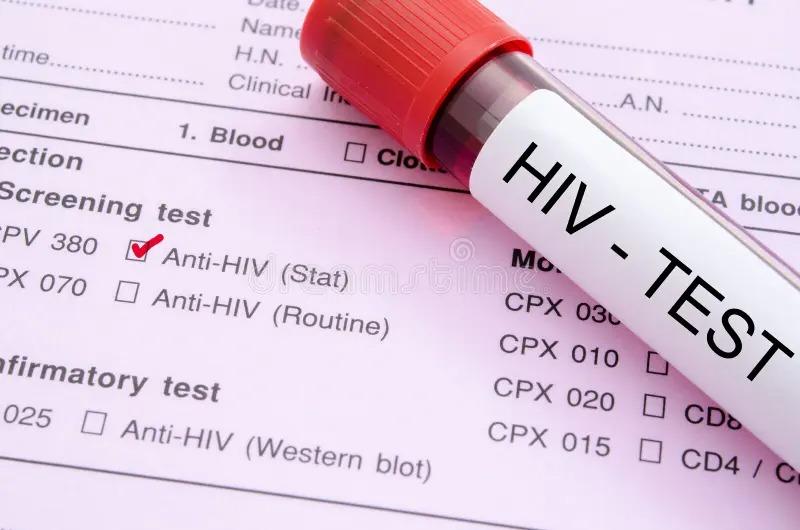
Knowing when to consider HIV screening can help you make informed decisions about your sexual health. An HIV Test in Dubai may be appropriate after a potential exposure, unprotected sexual contact, or when recommended as part of routine screening. People looking for an STD Test in Dubai may also discuss HIV testing with a healthcare professional, particularly when there has been a possible exposure to more than one sexually transmitted infection.
HIV can sometimes be present without obvious symptoms, so there is not always a physical sign that tells someone they should get tested. Instead, the circumstances surrounding a possible exposure and an individual's sexual health history are important considerations.
Why Symptoms Alone Are Not Enough
Some people experience symptoms during the early stage of HIV infection, while others may have no noticeable symptoms. When symptoms occur, they can resemble common illnesses and may include fever, fatigue, sore throat, swollen lymph nodes, or a skin rash.
These symptoms are not specific to HIV. Many other infections and medical conditions can cause similar symptoms.
For this reason, you should not rely on symptoms to determine whether HIV is present. If there has been a possible exposure, testing is a more appropriate way to investigate your HIV status.
After Unprotected Sexual Contact
Unprotected sexual contact is one situation in which a person may consider HIV screening. This can include vaginal or anal sex without a condom or an occasion when a condom broke or slipped.
Having unprotected sex does not automatically mean that HIV transmission occurred. However, if there was a potential risk, discussing the circumstances with a healthcare professional can help determine whether testing is appropriate.
The timing of the contact is particularly important because HIV tests have different detection periods.
What If the Exposure Was Recent?
If the possible exposure occurred recently, do not simply wait for symptoms to appear. Seek medical advice promptly.
A healthcare professional can assess the timing and nature of the exposure and explain available options. Some post-exposure medical interventions are time-sensitive, so early professional advice can be important.
The provider can also explain when HIV testing should be performed and whether repeat testing may be necessary.
After a New Sexual Relationship
Starting a new sexual relationship may be a reason to discuss sexual health screening with a healthcare professional. This does not mean that either partner has an infection.
Knowing your own HIV status and discussing testing with a partner can support informed sexual health decisions.
If you do not know when you were last tested or whether a previous partner had been tested, an HIV screening test may provide useful information.
When Your Partner's HIV Status Is Unknown
Some people may choose HIV screening when they do not know their partner's current HIV status.
This does not mean that a partner has HIV. However, if there is uncertainty about previous testing or potential exposure, discussing HIV screening with a healthcare professional can help clarify whether testing is appropriate.
Open communication about sexual health can also make it easier for partners to make informed decisions about testing and prevention.
If You Have Another Sexually Transmitted Infection
Having another sexually transmitted infection may be a reason to discuss HIV screening with a healthcare professional because some sexual exposures can involve more than one infection.
An STD Test in Dubai may include screening for several infections, depending on symptoms, exposure history, and clinical recommendations.
Testing positive for one STI does not mean that you automatically have HIV. HIV requires its own appropriate testing method.
If You Have Had Multiple Sexual Partners
Having multiple sexual partners does not mean someone has HIV. However, the likelihood of encountering different infections can vary depending on individual circumstances and sexual networks.
People with ongoing potential exposure may discuss regular HIV screening with a healthcare professional.
The recommended frequency of testing depends on individual circumstances, so there is no single schedule that applies to everyone.
If You Have Shared Needles or Injection Equipment
Sharing needles or other injection equipment can provide a route for blood-to-blood transmission of HIV.
If this has occurred, it is important to discuss the situation with a healthcare professional. Testing may be recommended based on the circumstances, and recent exposures may require prompt medical assessment.
Do not wait for symptoms before seeking professional advice after a potentially significant exposure.
During Pregnancy
HIV screening can be an important part of pregnancy-related healthcare. Identifying HIV during pregnancy allows healthcare professionals to provide appropriate medical management and take steps to reduce the risk of transmission to the baby.
If you are pregnant or planning a pregnancy, discuss HIV screening with your healthcare provider.
If You Are Unsure About a Previous Test
People sometimes remember having an HIV test but may not know which type of test was performed, when it was taken, or whether the result was considered conclusive.
If you are unsure about your previous testing history, speaking with a healthcare professional can help determine whether another test may be appropriate.
Providing the approximate date of any previous test and potential exposure can help the provider assess your situation.
Understanding the HIV Window Period
The window period is an important consideration whenever HIV testing is performed after possible exposure.
It refers to the period when a particular HIV test may not yet reliably detect infection. Different tests identify different HIV markers, so their detection periods can vary.
A negative result obtained too soon after exposure may therefore require follow-up testing. A healthcare professional can explain the appropriate timing based on the test being used.
What If You Feel Completely Healthy?
Feeling healthy does not necessarily mean that HIV is absent. Some people with HIV experience no noticeable symptoms, particularly during certain stages of infection.
This is why HIV screening may be considered even when someone feels well.
If there has been a possible exposure, the decision to test should be based on the circumstances and professional guidance rather than symptoms alone.
What If You Recently Received a Negative Result?
A recent negative HIV test can be useful information, but the timing of the test matters.
If you tested after the relevant detection period and there have been no subsequent exposures, your healthcare provider may consider the result conclusive. If you tested soon after a possible exposure, repeat testing may be recommended.
Tell your healthcare professional when the possible exposure occurred so the result can be interpreted appropriately.
What If an HIV Screening Result Is Reactive?
A reactive screening result does not automatically mean that HIV infection has been confirmed.
Additional confirmatory testing is generally required. This helps determine whether the initial screening result represents an actual HIV infection.
If you receive a reactive result, follow the testing provider's instructions and discuss the next steps with a qualified healthcare professional.
How HIV Screening Can Support Sexual Health
Regular and appropriate HIV screening can help people understand their health status. It can also provide an opportunity to discuss prevention, other STI testing, and sexual health concerns with a healthcare professional.
An HIV test is not a substitute for broader sexual health care. If you have concerns about several infections, an STD Test in Dubai may be discussed alongside HIV screening.
Should You Test Even Without a Specific Exposure?
Some people choose routine HIV screening even when they cannot identify a specific recent exposure. Regular screening can be discussed as part of general sexual healthcare, particularly when there are ongoing potential exposure risks.
Your healthcare provider can help determine an appropriate testing frequency based on your circumstances.
Why Timing Should Be Discussed With a Healthcare Professional
The right time to take an HIV test depends on the type of test and when possible exposure occurred. Taking a test too early may produce a negative result that does not fully exclude a recent infection.
A healthcare professional can explain the available testing options, the relevant window period, and whether repeat testing should be considered.
Takeaway
There is no single physical sign that confirms someone needs an HIV Test in Dubai. HIV can occur without noticeable symptoms, so potential exposure, sexual health circumstances, previous testing, and professional recommendations are important considerations.
Testing may be worth discussing after unprotected sexual contact, a possible exposure, a new sexual relationship, shared injection equipment, another sexually transmitted infection, or when your previous HIV status is uncertain. If you are concerned about multiple infections, an STD Test in Dubai can also be discussed with a qualified healthcare professional.
If a possible exposure happened recently, seek medical advice promptly rather than waiting for symptoms. Understanding the window period and choosing an appropriate testing time can help you obtain more meaningful results.

 English
 Arabic
 French
 Portuguese
 Deutsch
 Turkish
 Dutch
Dutch
 Italiano
 Russian
 Romaian
 Portuguese (Brazil)
 Greek
Greek
