
Wound Dressing at Home: Understanding When a Dressing Needs Changing
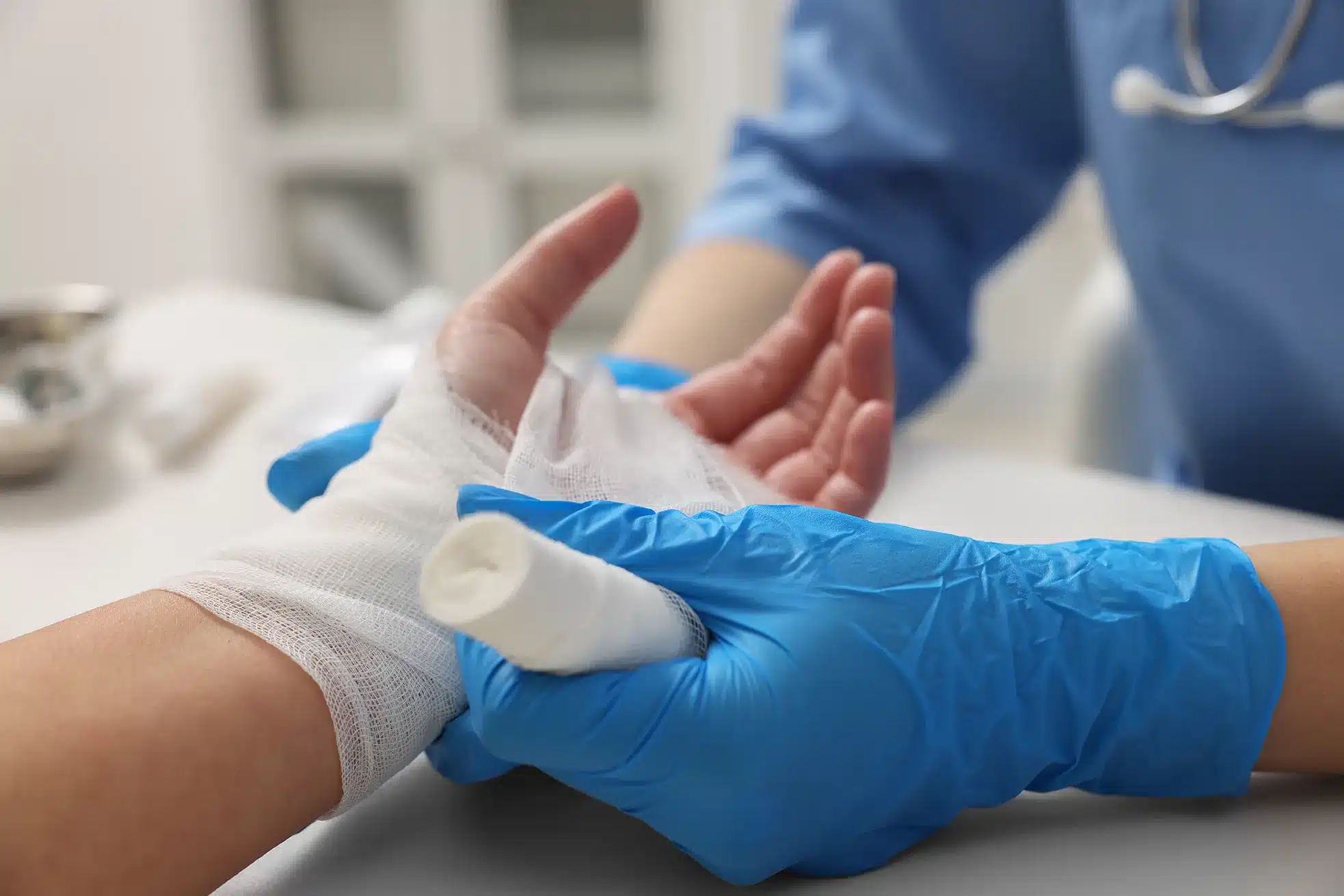
Knowing when a wound dressing needs changing is an important part of maintaining safe and consistent wound care. Wound Dressing at Home in Dubai can provide convenient support for patients who need regular dressing changes while recovering from surgery, injury, or a chronic wound. A Doctor at Home may provide medical guidance when appropriate, while trained healthcare professionals can help patients understand the condition of the dressing and follow the recommended care schedule. Changing a dressing at the right time can help maintain appropriate wound protection, manage drainage, and prevent unnecessary exposure to the environment.
Why Dressing Changes Matter:
A wound dressing serves several purposes, including protecting the wound from external contamination, absorbing drainage, and helping maintain an appropriate healing environment. Over time, a dressing can become wet, soiled, loose, displaced, or saturated with drainage. Leaving an unsuitable dressing in place may compromise its protective function. At the same time, changing a dressing more frequently than recommended can unnecessarily disturb the wound. For this reason, patients should follow the specific dressing schedule and instructions provided by their healthcare professional.
Follow the Recommended Dressing Schedule:
The appropriate dressing-change frequency varies depending on the type, location, size, and condition of the wound. Some dressings may remain in place for a specific period, while others may need earlier replacement if they become unsuitable. Patients should not assume that every wound requires daily dressing changes. Instead, they should follow the instructions provided by their healthcare team and ask for clarification if they are uncertain about the recommended schedule.
When a Dressing Becomes Wet:
A dressing may become wet during bathing, showering, sweating, or accidental contact with liquids. Whether it needs immediate replacement depends on the dressing type and the instructions provided by the healthcare professional. Some specialized dressings are designed to tolerate limited moisture, while others need to remain dry. Patients should avoid removing a wet dressing without understanding the appropriate procedure and should contact their healthcare provider if they are unsure what to do.
When a Dressing Becomes Dirty:
Dirt or visible contamination can compromise the cleanliness of a wound dressing. If the outer surface of a dressing becomes visibly soiled, patients should follow their wound-care instructions regarding replacement. Contamination can occur from household dust, outdoor activities, accidental contact, or improper handling. Patients should avoid touching the wound unnecessarily and should use clean hands before handling dressing materials.
When the Dressing Becomes Loose:
A loose dressing may no longer provide adequate coverage or protection. Movement, sweating, moisture, friction from clothing, or adhesive problems can cause a dressing to shift. Patients should not repeatedly press or reposition a dressing with unclean hands. If a dressing becomes loose enough to expose the wound, the patient should follow their care instructions for replacement or seek professional guidance when necessary.
When the Dressing Is Saturated With Drainage:
Wound drainage can vary depending on the type and stage of healing. A dressing may need changing when it becomes saturated or can no longer effectively manage the amount of drainage. Patients should follow their prescribed care plan rather than changing dressings solely based on minor expected drainage. A sudden increase in drainage or a noticeable change in its appearance should be communicated to an appropriate healthcare professional.
Signs That a Dressing May Need Immediate Attention:
Patients and caregivers should regularly observe the condition of the dressing without unnecessarily disturbing it. Certain situations may indicate that the dressing requires attention according to the wound-care plan, including:
- The dressing is completely soaked with drainage
- The dressing has become visibly dirty
- The dressing has detached from the skin
- The wound is no longer adequately covered
- The dressing has been displaced
- The dressing has become damaged
- Moisture has entered an area that should remain dry
- The dressing is causing significant irritation or discomfort
When uncertain, patients should follow professional instructions rather than making assumptions about dressing replacement.
Avoid Changing a Dressing Too Frequently:
Although an unsuitable dressing should not be left in place, unnecessary dressing changes can also disturb a healing wound. Repeated removal may irritate surrounding skin or interfere with the wound-care plan. Some advanced dressings are specifically designed to remain in place for a defined period. Patients should therefore avoid changing a dressing simply because they want to check the wound unless their healthcare professional has recommended regular inspection.
Hand Hygiene Before a Dressing Change:
Whenever a dressing change is required, appropriate hand hygiene is essential. Patients or caregivers should clean their hands before handling wound-care supplies and follow the hygiene instructions provided by their healthcare professional. A clean treatment area should be prepared, and dressing materials should remain protected until they are needed. Gloves may be recommended for certain procedures, but they do not replace proper hand hygiene.
Preparing for a Dressing Change:
Having the required supplies ready before starting can make the process more organized. Depending on the care plan, supplies may include the prescribed dressing, gloves, wound-cleaning materials, and appropriate waste-disposal items. Clean supplies should be stored in a suitable location and checked before use. Patients should avoid improvising with household materials if the recommended wound-care products are unavailable.
How Professional Nurses Help With Dressing Changes:
Professional nurses can assist patients who have difficulty determining when or how a dressing should be changed. During Wound Dressing at Home in Dubai, trained professionals can assess the dressing according to the patient's care plan, perform the change using appropriate hygiene practices, and observe the wound for relevant changes. They can also provide practical guidance to caregivers so that routine care between professional visits follows the prescribed instructions.
Dressing Changes After Surgery:
Post-surgical wounds may have specific dressing requirements provided by the surgical team. The dressing schedule can depend on the type of procedure and the condition of the incision. Patients should avoid removing a surgical dressing earlier than instructed unless there is a specific reason to do so or a healthcare professional advises them. If the dressing becomes soaked, displaced, or contaminated, the surgical team should be contacted for appropriate guidance.
Dressing Changes for Chronic Wounds:
Chronic wounds may require repeated dressing changes over an extended period. Patients with diabetes, pressure injuries, circulation problems, or other conditions may have individualized wound-care plans. In these situations, dressing frequency may change depending on wound progress, drainage, and treatment recommendations. Regular professional monitoring can help ensure that the dressing approach continues to match the patient's current needs.
Protecting the Wound Between Dressing Changes:
Patients should take reasonable precautions to keep the dressing clean and protected between scheduled changes. Clothing should not repeatedly rub against the dressing, and patients should follow instructions about bathing and physical activity. Outdoor environments with dust, dirt, or excessive moisture may require additional precautions. Patients should also avoid scratching, pulling, or unnecessarily adjusting the dressing.
Monitoring the Wound for Concerning Changes:
The condition of the dressing is not the only factor that matters. Patients should also watch for changes around the wound that may require professional evaluation. These can include:
- Increasing redness or swelling
- Worsening or severe pain
- Unusual or increasing drainage
- Foul or unusual odor
- Fever or chills
- Wound edges separating
- Significant bleeding
- Rapid changes in the wound's appearance
These symptoms do not necessarily indicate a specific complication, but they should be discussed with an appropriate healthcare professional.
What to Do If You Are Unsure About Changing the Dressing:
Patients should not feel pressured to make uncertain wound-care decisions independently. If a dressing looks different from usual, becomes wet, starts to loosen, or appears saturated, the safest approach is to refer to the care instructions or contact the healthcare provider. Professional advice is especially important for complex wounds, surgical wounds, chronic ulcers, and wounds with significant drainage.
Maintaining a Consistent Wound-Care Routine:
A consistent wound-care routine can help patients remember dressing schedules and recognize changes over time. Caregivers can maintain a simple record of dressing changes, observations, and instructions received from healthcare professionals. Keeping supplies organized can also reduce interruptions during care. When professional visits are scheduled, sharing relevant observations with the nurse or healthcare provider can support continuity of care.
Final Thoughts:
Understanding when a dressing needs changing is an important part of responsible wound care. Patients should follow their individualized instructions and pay attention to whether the dressing becomes wet, dirty, loose, displaced, damaged, or saturated with drainage. Wound Dressing at Home in Dubai can provide professional assistance for patients who need regular dressing changes and ongoing wound-care support. By maintaining good hygiene, avoiding unnecessary dressing changes, protecting the wound between visits, and seeking professional advice when unexpected changes occur, patients and caregivers can maintain a more organized and appropriate wound-care routine at home.

 English
 Arabic
 French
 Spanish
 Portuguese
 Deutsch
 Dutch
Dutch
 Italiano
 Russian
 Romaian
 Portuguese (Brazil)
 Greek
Greek
