
Blood Test At Home: Understanding Your Results
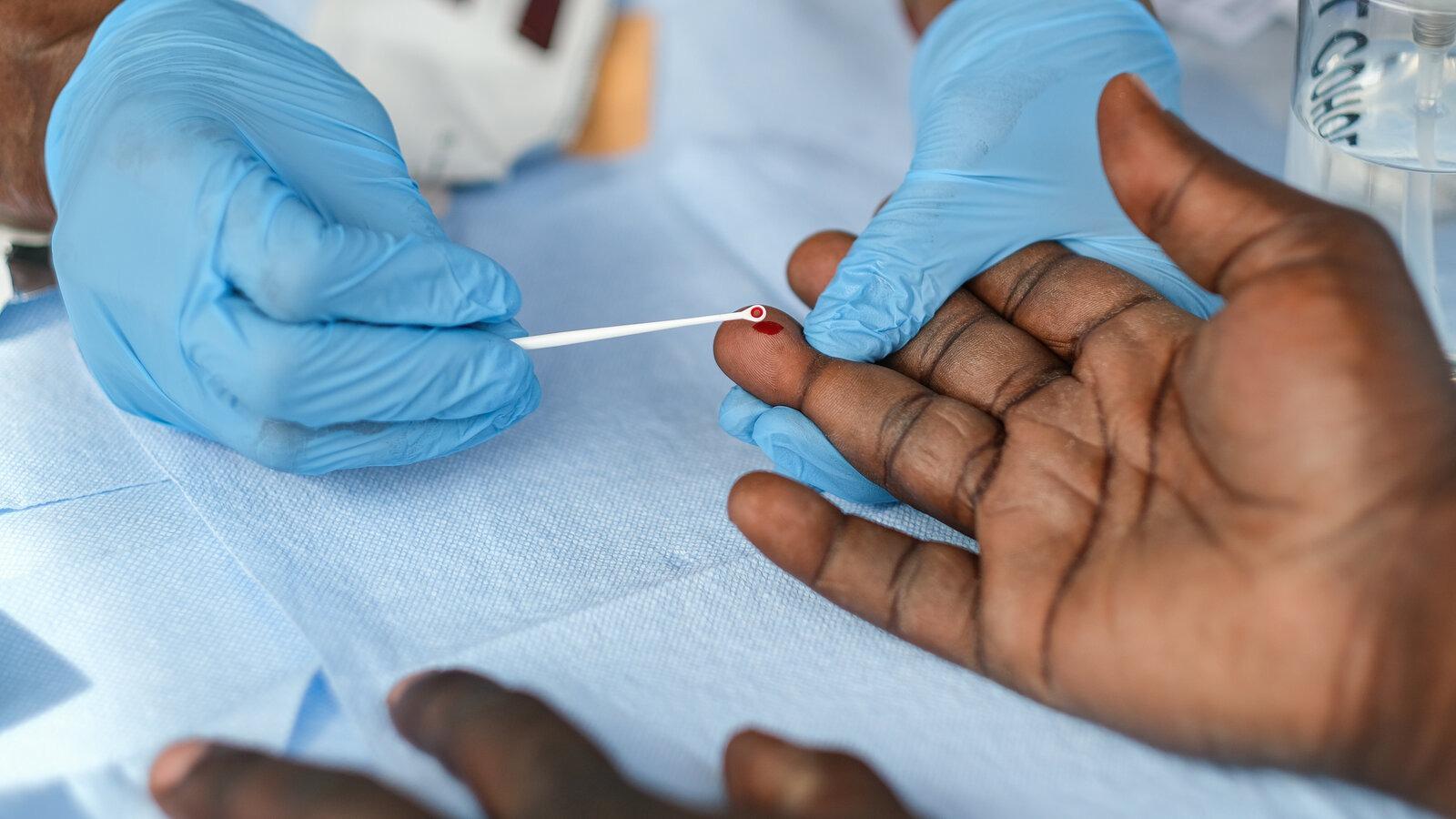
A blood test can provide useful information about different aspects of your health, and receiving the results is an important part of the testing process. With a Blood Test At Home, a trained healthcare professional can collect your sample at home before it is transported to a laboratory for analysis. Once testing is completed, the laboratory report can provide measurements that may help your healthcare professional assess your health.
For people who prefer convenient healthcare services, Doctor at home in Dubai may also provide access to professional medical care without requiring a clinic visit. However, doctor consultations and blood sample collection are separate services, so the appropriate option depends on the individual's healthcare needs.
What Does a Blood Test Result Show?
A blood test report contains measurements from the specific investigations requested. Different tests examine different components of blood, so the information included in a report depends on what your healthcare professional ordered.
A report may contain numerical results, units of measurement, reference ranges, and other laboratory information. It is important to read the report as a complete document rather than focusing on one number without context.
The purpose of the test also matters. A blood test performed for routine screening may be interpreted differently from one ordered to investigate particular symptoms or monitor an existing health concern.
Understanding Reference Ranges
Reference ranges are commonly included on laboratory reports to provide a comparison point for a particular test. These ranges can differ between laboratories because testing methods, equipment, and reference populations may vary.
A result outside a reference range does not automatically mean that a person has a disease. Similarly, a result within the reference range does not necessarily rule out every possible health issue.
This is why laboratory results should be interpreted alongside symptoms, medical history, previous results, medications, and other relevant information.
How Blood Test At Home Results Are Processed
A Blood Test At Home generally follows a process that begins with professional sample collection. After the blood is collected, the sample is properly identified and prepared for transportation to the laboratory.
The laboratory then performs the requested investigations using appropriate testing procedures. Once analysis is complete, the results are compiled into a report and delivered according to the service's reporting system.
The fact that the sample was collected at home does not by itself determine the accuracy of the laboratory analysis. Proper collection, handling, transportation, and laboratory procedures all contribute to reliable testing.
Why Preparation Matters
The way you prepare before a blood test can affect certain results. Some investigations require fasting, while others do not. Instructions can also vary regarding food, beverages, exercise, timing, and medications.
Always follow the preparation instructions provided by your healthcare professional or laboratory. If you are uncertain about any instruction, ask before the sample is collected.
Do not stop taking prescription medication without professional advice. If a medication needs to be considered when interpreting a particular test, your healthcare professional can take that information into account.
Can One Blood Test Diagnose a Condition?
A single laboratory result does not always provide enough information to establish a diagnosis. Healthcare professionals generally consider laboratory findings together with a person's symptoms, medical history, physical examination, and other relevant investigations.
For example, an unusual result may have several possible explanations, including temporary factors or differences between individuals. A healthcare professional can determine whether additional testing or follow-up is appropriate.
Avoid making major healthcare decisions based solely on an online reference range or an isolated laboratory value.
What If Your Result Is Outside the Range?
Seeing a result marked as high, low, or outside the reference range can understandably cause concern. However, this does not necessarily indicate a serious health problem.
The first step is to review the result with a qualified healthcare professional. They can explain what the specific measurement means in relation to your health and why the test was performed.
In some situations, a professional may recommend repeating a test or carrying out additional investigations. The appropriate follow-up depends on the specific result and the individual's circumstances.
Keeping Track of Previous Results
For people who have regular laboratory testing, previous reports can sometimes provide useful information. Comparing results over time may help a healthcare professional identify changes or patterns.
However, results should be compared carefully because laboratories may use different reference ranges or testing methods. Your healthcare professional can determine whether results from different dates are directly comparable.
Keeping your laboratory reports organized can therefore be useful, particularly when monitoring a health concern over time.
When to Discuss Your Results With a Doctor
It is a good idea to discuss unexpected or unclear results with a healthcare professional. This is especially important when testing was ordered because of symptoms, an existing medical condition, medication monitoring, or a specific health concern.
If you develop severe, sudden, or rapidly worsening symptoms, do not wait for routine laboratory results before seeking appropriate medical attention.
Making Sense of Your Home Testing Report
A Blood Test At Home can make the sample collection process more convenient, but understanding the final report still requires appropriate medical context. The laboratory provides measurements, while a healthcare professional can help explain what those measurements mean for your individual situation.
Before and after testing, follow the laboratory's instructions, keep your reports for future reference, and discuss important findings with a qualified professional. Using laboratory results as part of a broader healthcare assessment can help you understand your health information more accurately and avoid unnecessary worry from interpreting individual numbers on your own.

 English
 Arabic
 French
 Spanish
 Portuguese
 Deutsch
 Turkish
 Dutch
Dutch
 Italiano
 Russian
 Romaian
 Portuguese (Brazil)
