
Is Chemical Peel Treatment Helpful for Pigmentation?
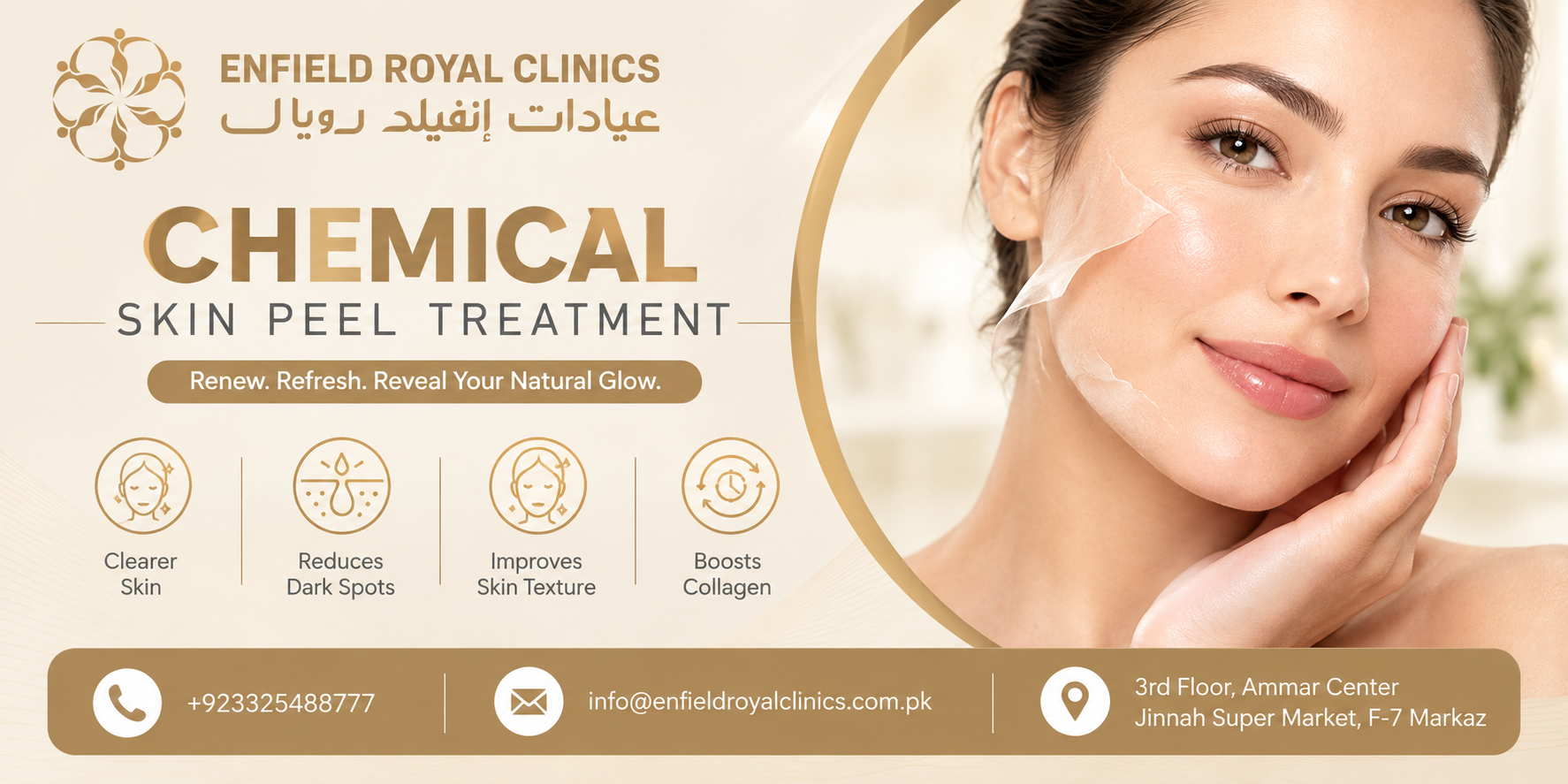
Pigmentation is a common skin concern that affects people of different ages and skin types. Dark spots, uneven skin tone, sunspots, and post-acne marks can make the complexion appear less balanced. These changes may develop because of sun exposure, hormonal fluctuations, acne inflammation, ageing, or excessive melanin production. Although pigmentation is usually harmless, many individuals look for effective treatments to achieve clearer and more even-looking skin.
Chemical peel treatment in Islamabad is one option that may help improve selected pigmentation concerns. The treatment uses a specially formulated chemical solution to exfoliate the skin and encourage the removal of damaged surface cells. Depending on the type of peel, it may also support skin renewal and improve the appearance of uneven tone.
However, chemical peels are not suitable for every pigmentation condition or every skin type. The most appropriate treatment depends on the cause, depth, severity, and sensitivity of the skin. A professional assessment is essential for selecting a safe and effective approach.
How Does Chemical Peel Treatment Help Pigmentation?
Chemical peel treatment works by applying a controlled solution to the skin. This solution helps loosen and remove selected layers of dead or damaged skin cells. As the treated skin gradually sheds, fresher skin may become visible.
Some pigmentation concerns are linked to excess melanin in the outer layers of the skin. A suitable chemical peel may reduce the appearance of these pigmented cells and create a more even complexion. Certain peels can also support skin renewal, which may improve the appearance of dullness and uneven texture.
The results depend on the ingredients and strength of the peel. Superficial peels generally focus on the outermost skin layer and may be used for mild pigmentation and uneven tone. Medium-depth peels affect deeper layers and may be considered for more noticeable skin concerns when appropriate.
Chemical peels do not guarantee complete removal of pigmentation. Some conditions involve deeper pigment production and may require a combination of professional treatments and long-term skincare.
Which Types of Pigmentation May Improve With Chemical Peels?
Chemical peels may be helpful for several types of superficial pigmentation. However, the response varies depending on the underlying cause and the individual’s skin characteristics.
Sunspots and sun-related pigmentation: Frequent sun exposure can lead to areas of darker pigmentation, particularly on the face, hands, and other exposed areas. A suitable peel may help improve the appearance of some surface-level sunspots.
Post-acne marks: Acne-related inflammation can leave dark marks after a blemish has healed. These marks are often called post-inflammatory hyperpigmentation. Selected chemical peels may help gradually reduce their appearance.
Uneven skin tone: Some people experience scattered areas of darker skin that make the complexion look inconsistent. Chemical exfoliation may help improve overall tone when the cause is suitable for treatment.
Dull complexion: Dead skin cell buildup and environmental exposure can make the skin appear tired or uneven. A gentle peel may improve surface freshness and brightness.
Melasma requires additional care. It is often influenced by hormones, sunlight, and genetic factors. Although certain chemical peels may help manage its appearance, improper treatment can sometimes worsen pigmentation. Professional planning and consistent sun protection are especially important.
How Is the Skin Assessed Before Chemical Peel Treatment?
A skin assessment helps determine whether chemical peel treatment is appropriate for a person’s pigmentation concern. Before treatment, a skincare professional may review the patient’s skin type, pigmentation history, sensitivity, current products, and previous procedures.
The assessment may also identify whether the pigmentation is superficial or deeper. This distinction is important because different pigmentation concerns respond differently to exfoliation. A peel that is suitable for mild sunspots may not be the best choice for melasma or pigmentation caused by ongoing inflammation.
The professional may ask about recent sun exposure, active acne, skin irritation, allergies, and the use of prescription skincare products. These details can influence the treatment plan and recovery process.
Some individuals may need preparation before a peel. This could involve adjusting certain skincare products, improving sun protection, or allowing irritated skin to recover. A careful assessment reduces avoidable risks and supports more personalised treatment.
Can Chemical Peel Treatment Improve Post-Acne Pigmentation?
Post-acne pigmentation is a frequent reason people explore chemical peels. When acne becomes inflamed, the skin may produce additional melanin during the healing process. This can leave brown, greyish, or darker marks even after the acne has disappeared.
A suitable chemical peel may help improve these marks by encouraging the removal of pigmented surface cells. It may also improve roughness and uneven texture that sometimes accompany acne-prone skin.
The treatment should be selected carefully because active acne, skin inflammation, and sensitivity can affect the outcome. Strong exfoliation may irritate the skin and potentially increase post-inflammatory pigmentation, particularly in individuals who are more prone to dark marks.
For this reason, professional guidance is important. The treatment plan may focus on controlling active acne, protecting the skin barrier, and gradually addressing pigmentation rather than using an aggressive peel immediately.
Results are usually gradual. Patients may need several sessions, appropriate intervals, and a consistent skincare routine to achieve visible improvement.
What Factors Affect Pigmentation Treatment Results?
Several factors can influence how well pigmentation responds to chemical peel treatment. Understanding these factors helps patients maintain realistic expectations.
Pigmentation depth: Surface-level pigmentation may respond more readily than pigment located deeper within the skin.
Skin type: Individuals with darker skin tones may have a greater risk of post-inflammatory pigmentation after irritation. The treatment must therefore be selected with additional care.
Cause of pigmentation: Sunspots, acne marks, and melasma may require different treatment strategies. Treating the wrong cause may produce limited results.
Peel strength: A stronger peel is not automatically better. The appropriate strength depends on the patient’s skin condition and treatment goals.
Sun exposure: Ultraviolet radiation can stimulate melanin production and make pigmentation more noticeable. Regular sun protection is essential.
Aftercare routine: Using recommended skincare products and avoiding unnecessary irritation can support recovery and help protect treatment results.
Hormonal changes, repeated inflammation, and certain medications may also affect pigmentation. A professional should explain the expected outcome before treatment begins.
How Can Patients Prepare for Chemical Peel Treatment?
Proper preparation can help reduce irritation and support a smoother recovery. The preparation plan varies according to the type of peel and the patient’s skin condition.
Patients may be advised to use gentle cleansers and moisturisers before treatment. Harsh scrubs, unnecessary exfoliation, and strong active ingredients may need to be paused if recommended by the skincare professional. The skin should be in a stable condition rather than actively irritated or sunburned.
Sun protection is another important preparation step. Regular use of broad-spectrum sunscreen helps reduce further pigmentation and protects the skin before and after the procedure.
Patients should also disclose any history of sensitive skin, cold sores, allergies, recent cosmetic procedures, or prescription treatments. This information allows the professional to make safer decisions.
Following the preparation instructions carefully may reduce complications and help the skin respond more predictably.
What Aftercare Supports Pigmentation Improvement?
Aftercare is essential because treated skin may become temporarily sensitive. Depending on the peel’s strength, patients may experience dryness, redness, tightness, or visible peeling.
The skin should not be picked, scratched, or forcefully exfoliated during recovery. Removing peeling skin manually can cause irritation and may increase the risk of marks. Gentle cleansing and the use of recommended moisturisers can help maintain the skin barrier.
Daily sun protection is particularly important for pigmentation-prone skin. Patients should use a suitable broad-spectrum sunscreen, limit direct sunlight, and follow any additional protective advice.
Strong skincare ingredients should not be restarted without professional guidance. Products containing exfoliating acids, retinoids, or other active ingredients may irritate the skin when introduced too soon.
If unusual swelling, severe burning, blistering, or prolonged irritation develops, the patient should contact a qualified professional promptly. Proper aftercare supports healing and helps protect the improvements achieved through treatment.
Frequently Asked Questions
1. Can chemical peel treatment completely remove pigmentation?
Chemical peels may reduce the appearance of selected pigmentation concerns, but complete removal is not guaranteed. Results depend on the cause, depth, skin type, and treatment plan.
2. How many chemical peel sessions are needed for dark spots?
The required number of sessions varies. Some patients may notice improvement after one treatment, while others may need multiple sessions planned at suitable intervals.
3. Is chemical peel treatment suitable for darker skin tones?
Certain peels may be suitable for darker skin tones, but careful selection is important. Incorrect treatment strength or excessive irritation may increase the risk of pigmentation changes.
4. Can chemical peels make melasma worse?
Melasma can sometimes worsen after irritation or inadequate sun protection. Professional assessment, gentle treatment selection, and consistent aftercare are important for reducing this risk.
5. How long does it take to see pigmentation improvement?
Improvement may develop over several weeks, depending on the peel type and the skin’s healing process. Pigmentation concerns may require a series of treatments and ongoing skincare.
6. Can patients use sunscreen after a chemical peel?
Sun protection is generally an important part of aftercare, but the specific product and timing should follow professional instructions. A suitable sunscreen helps protect recovering skin from ultraviolet exposure.
Conclusion
Chemical peel treatment may be helpful for improving selected pigmentation concerns, including superficial dark spots, post-acne marks, sun-related pigmentation, and uneven skin tone. By promoting controlled exfoliation and skin renewal, the treatment can support a smoother and more balanced complexion.
However, pigmentation has different causes, and the same peel does not suit every individual. Professional assessment, suitable treatment selection, careful preparation, and consistent aftercare are essential for achieving safer and more satisfactory results.
People considering Chemical peel treatment in Islamabad should discuss their skin concerns and expectations with a qualified skincare professional. A personalised approach can help determine whether a chemical peel is appropriate and how it may fit into a broader pigmentation management plan.
For more information visit Enfield royal clinic in islamabad

 English
 Arabic
 French
 Spanish
 Portuguese
 Deutsch
 Turkish
 Dutch
Dutch
 Italiano
 Russian
 Romaian
 Portuguese (Brazil)
