
From Schoolwear to Everyday Basics: What Shapes Children’s Clothing Choices in South Africa
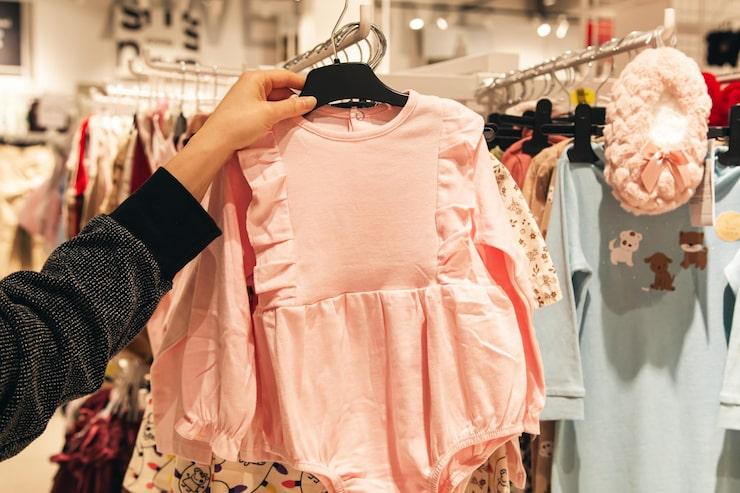
South Africa’s childrenswear sector serves a wide range of everyday needs, from school clothing and casual basics to sportswear, occasion outfits and infant apparel. Parents generally need garments that balance comfort, durability, practicality and affordability, while manufacturers and retailers operate within a broader clothing and textile ecosystem where local production, responsible sourcing and supply-chain compliance remain important considerations.
According to a Vyansa Intelligence report, the South Africa childrenswear market was valued at USD 2.27 billion in 2025 and is projected to reach USD 2.4 billion by 2032, representing a 0.8% CAGR during 2026–2032.
Everyday Practicality Influences Children’s Clothing
Children’s clothing has to perform differently from many adult fashion products. Garments are regularly exposed to outdoor play, school activities, repeated washing and everyday movement, making practical construction particularly important.
Comfortable fabrics, secure fastenings, durable seams and easy-care materials can help parents obtain greater usefulness from everyday clothing. For a South Africa childrenswear market analysis, functionality therefore remains closely connected with the value consumers receive from a garment.
Retailers can address these requirements through collections that balance visual appeal with clothing designed for regular, active use.
Schoolwear Creates a Distinct Clothing Requirement
School clothing occupies a particularly practical position within South African childrenswear. Shirts, trousers, skirts, jerseys, sports clothing and related garments are selected primarily around fit, durability and everyday usability.
Schoolwear can face frequent washing and prolonged wear, making fabric quality and construction particularly relevant. Parents may also prefer garments that remain comfortable across classroom activities and outdoor movement.
This creates opportunities for suppliers to focus on dependable materials and straightforward designs capable of supporting repeated use.
South Africa Has Established Clothing Manufacturing Capabilities
Children’s clothing forms part of South Africa’s broader clothing, textiles, footwear and leather manufacturing ecosystem.
InvestSA, the country’s official investment promotion platform, identifies both children’s clothing and infant clothing among the products manufactured by the domestic clothing sector. It also highlights the wider industry’s established manufacturing, wholesale and retail capabilities.
These detailed childrenswear industry insights show why local manufacturing remains relevant to the category. Domestic production can support closer relationships between designers, manufacturers, suppliers and retailers while providing opportunities to develop clothing suited to local requirements.
Responsible Sourcing Is Becoming More Important
The way clothing is manufactured matters alongside the finished garment.
South Africa’s Department of Trade, Industry and Competition has emphasized supply-chain accountability and responsible sourcing in the clothing and textile value chain. Recent government attention to alleged non-compliant garment manufacturing has reinforced the expectation that industrial development should operate within appropriate legal and workplace frameworks.
For a childrenswear industry report, responsible sourcing is particularly relevant because retailers increasingly need visibility into the businesses and facilities producing the garments they sell.
Durable Garments Can Deliver Longer-Term Value
Children regularly move into new clothing sizes, sometimes before their existing garments are physically worn out.
Durability can therefore provide value beyond the first wearer. A well-maintained jacket, sweater, dress or pair of trousers may potentially be passed to a sibling, relative or another family once it becomes too small.
Designing childrenswear for longer use involves thoughtful choices around stitching, fabric resilience, closures and ease of care. These considerations can help garments maintain their usability despite repeated washing and active wear.
Second-Hand Clothing Fits the Childrenswear Lifecycle
The relatively short first-owner lifecycle of children’s clothing makes reuse particularly relevant.
Parents can pass outgrown garments between family members or make them available through second-hand channels. Buyers can also consider pre-owned products when children need a different size or clothing for relatively short periods.
For the latest childrenswear industry analysis, resale does not necessarily eliminate demand for new clothing. Instead, it creates another stage in the product lifecycle and can encourage brands to think about how well garments retain their condition after the original wearer has finished using them.
Circular Design Can Begin With Better Product Decisions
South Africa’s environmental authorities increasingly discuss circular-economy principles such as designing products for longevity, maintenance, repair, reuse and recycling.
These principles can be applied to children’s apparel at the design stage. Clothing that uses durable materials, repairable components and thoughtful construction can potentially remain useful for longer.
For South Africa childrenswear market research, circular thinking is especially relevant because outgrowing a garment does not automatically mean that the garment itself has reached the end of its useful life.
Textile Reuse Can Reduce Unnecessary Disposal
When children’s clothing remains wearable, reuse can preserve more of the value already invested in its materials and manufacturing.
South Africa’s environmental circular-economy framework identifies clothing and textile reuse and recycling as areas with opportunities for more circular resource use. This provides useful context for childrenswear because garments frequently become unwanted for sizing reasons rather than because they are unusable.
Donation, family hand-me-downs and resale can therefore provide practical pathways for extending garment lifetimes.
Digital Channels Make Product Comparison Easier
Online shopping gives parents another way to research children’s clothing before purchasing. Clear photographs, accurate sizing information, fabric descriptions and care guidance can help families determine whether products suit their requirements.
Digital channels can also complement physical retail. Parents may discover products online before examining fit, fabric and construction in a store.
Accurate product descriptions are especially important because childrenswear purchasing often depends on practical characteristics that can be difficult to evaluate from photographs alone.
Supply-Chain Confidence Can Strengthen Retail Trust
South African authorities have emphasized that clothing-sector development needs to be accompanied by lawful and responsible manufacturing practices. The Department of Trade, Industry and Competition has specifically connected supply-chain accountability with the integrity of the domestic clothing and textile value chain.
Retailers can respond by maintaining clearer sourcing standards and stronger relationships with manufacturing partners.
For consumers, dependable product quality and transparent information can reinforce confidence regardless of whether clothing is purchased from a physical retailer or through a digital channel.
Practical Design Can Define the Next Phase of Childrenswear
South African children need clothing suited to school, leisure, sports, family occasions and everyday activities. This creates demand for products that balance appearance with practical considerations such as comfort, durability and easy maintenance.
Local manufacturing capabilities provide a foundation for developing garments suited to these requirements, while responsible sourcing and circular-economy thinking are broadening the considerations surrounding how clothing is produced and used.
For childrenswear businesses, creating garments that remain functional throughout active childhood—and potentially stay wearable for another child afterward—offers a practical approach to delivering longer-lasting value.

 English
 Arabic
 French
 Portuguese
 Deutsch
 Turkish
 Dutch
Dutch
 Italiano
 Russian
 Romaian
 Portuguese (Brazil)
 Greek
Greek
