
The Role of Artificial Intelligence in Advancing the Smart Appliances Market
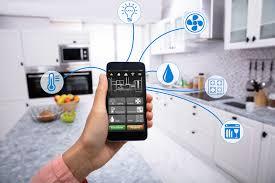
The global landscape of domestic chores is undergoing a radical transformation as connected devices transition from luxury novelties into essential household infrastructure. Driven by rapid advancements in the Internet of Things (IoT) and artificial intelligence, modern consumers are increasingly seeking out automated solutions that offer both convenience and resource efficiency. Washing machines that optimize detergent usage based on fabric weight, refrigerators that monitor expiration dates, and robotic vacuums that map floor plans autonomously are no longer concepts of science fiction. This shift is deeply rooted in the changing lifestyle dynamics of urban populations, where time-poverty has become a significant driver for technology adoption. As smart home ecosystems become more integrated and interoperable, the demand for appliances that communicate seamlessly with one another is escalating, paving the way for unprecedented growth across the entire home automation sector.
Looking ahead, the trajectory of this industry points toward an era of predictive automation and enhanced energy management, particularly as sustainability becomes a core consumer priority. Future developments are expected to focus heavily on integrating smart grids with household devices, allowing appliances to operate during off-peak hours to minimize electricity costs and reduce carbon footprints. Furthermore, the incorporation of voice-activation and advanced machine-learning algorithms will enable these devices to anticipate user preferences rather than just reacting to explicit commands. As manufacturers invest heavily in research and development, we can expect a significant reduction in production costs, making these advanced technologies accessible to a broader demographic worldwide. For a deeper understanding of where this sector is headed over the next decade, exploring a comprehensive Smart Appliances Market analysis provides invaluable perspectives on emerging consumer behaviors and shifting regional demands.
Frequently Asked Questions
-
What defines an appliance as "smart" compared to a traditional one? A smart appliance features internet connectivity, built-in sensors, and processing power that allow it to be monitored, controlled remotely, and optimized automatically via a smartphone or central home hub.
-
How do connected appliances contribute to energy efficiency? They track resource consumption in real-time, optimize operational cycles based on usage patterns, and can delay heavy energy tasks to off-peak hours when electricity rates are lower.
➤➤➤Explore MRFR’s Related Ongoing Coverage In Semiconductor Industry:
Data Center Accelerator Market
Endpoint Detection And Response Market
Property Casualty Insurance Market

 English
 Arabic
 Spanish
 Portuguese
 Deutsch
 Turkish
 Dutch
Dutch
 Italiano
 Russian
 Romaian
 Portuguese (Brazil)
 Greek
Greek
