
Tooth Extraction: Simple Recovery Tips
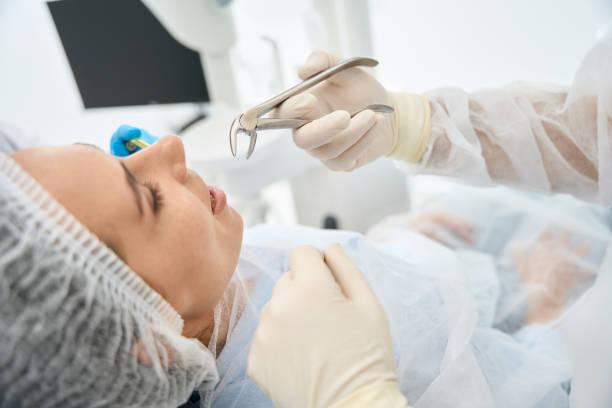
Tooth extraction can be an important step when a tooth is severely damaged, decayed, infected, or creating problems for the surrounding area. Patients researching Tooth Extraction in Dubai often want to know how they can make the recovery period more comfortable and support proper healing. Following simple aftercare habits, protecting the extraction site, and maintaining good oral hygiene can help the mouth recover while reducing the risk of avoidable complications.
Protect the Extraction Site
One of the most important recovery steps is protecting the extraction socket immediately after the procedure. A blood clot normally develops where the tooth was removed, and this clot plays an important role in the natural healing process.
Patients should avoid repeatedly touching the area with their fingers or tongue. Unnecessary pressure can disturb the developing clot and potentially delay healing.
Your dentist may provide gauze to place over the extraction area. Gentle pressure, following the dentist's instructions, can help manage initial bleeding. Patients should follow the specific instructions given to them because recovery recommendations can vary depending on the extraction.
Choose Comfortable Foods
Eating may feel slightly uncomfortable during the first part of recovery. Soft foods are generally easier to chew and can reduce pressure around the extraction area.
Options such as yogurt, mashed vegetables, eggs, soft rice, and other easy-to-eat foods may be suitable depending on individual instructions. Foods should be introduced gradually as comfort improves.
Very hot, hard, crunchy, or sticky foods may irritate the area. Patients should also avoid chewing directly over the extraction socket whenever possible.
Staying hydrated is important, but patients should follow any specific instructions provided by their dentist regarding drinks and eating after the procedure.
Dental Clinic: Supporting a Smooth Recovery
A professional Dental Clinic can provide personalized instructions for caring for the extraction site. Before leaving the appointment, patients should understand how to manage the area, what foods may be comfortable, and which activities should temporarily be avoided.
The dental team can also explain what symptoms are generally expected during recovery and which changes may require an additional examination. Clear instructions can make it easier to recognize normal healing and respond appropriately if concerns develop.
Patients should not hesitate to contact the dental team if they are uncertain about any part of their recovery.
Maintain Gentle Oral Hygiene
Keeping the mouth clean remains important after extraction, but the socket needs careful attention. Patients should continue cleaning their other teeth while avoiding unnecessary pressure directly over the extraction site.
Aggressive brushing or vigorous rinsing can disturb the healing area. Instead, patients should follow the dentist's recommendations about when and how to rinse.
Maintaining good oral hygiene helps control plaque and bacteria around the remaining teeth and gums. It can also support overall oral health during the recovery period.
Avoid Activities That Can Disturb Healing
Rest can be helpful during the initial recovery period. Strenuous exercise or physically demanding activities may increase discomfort or bleeding for some patients.
The dentist may recommend temporarily limiting certain activities depending on the type and complexity of the extraction. Patients should follow those instructions rather than returning immediately to their usual routine.
Smoking can also interfere with oral healing and may increase the risk of complications. Patients should follow their dentist's advice regarding smoking and other habits that can affect the extraction site.
Manage Swelling and Discomfort
Some tenderness and swelling can occur after tooth removal. The intensity and duration can vary depending on the individual and the complexity of the extraction.
Following the dentist's recommendations for managing discomfort can make the recovery period easier. Patients should use only medications recommended or approved by their dental professional and follow the stated instructions carefully.
If discomfort becomes significantly worse rather than gradually improving, patients should contact their dentist for guidance.
Give Your Body Time to Heal
Healing does not happen instantly. The gums and underlying tissues need time to recover after a tooth has been removed.
Patients should avoid repeatedly checking or disturbing the socket. Even if the area feels unusual during the first few days, unnecessary contact can interfere with the healing process.
A gradual return to normal eating, brushing, and daily activities is generally more comfortable than trying to resume everything immediately.
Watch for Signs of Complications
Knowing which symptoms require professional attention is an important part of recovery. Mild tenderness and some swelling can occur, but persistent or worsening symptoms should be evaluated.
Patients should contact their dentist if they experience significant bleeding, severe or increasing pain, substantial swelling, fever, unusual discharge, or other concerning changes.
Dry socket is one possible complication that may develop if the protective blood clot is lost or fails to remain in the socket. It can cause notable pain several days after the extraction and requires professional assessment.
Prompt communication with the dentist can help identify the cause of unusual symptoms and determine the appropriate next step.
Attend Follow-Up Appointments
Depending on the extraction and the patient's circumstances, the dentist may recommend a follow-up appointment. This allows the dental team to assess healing and address any concerns.
Patients should attend recommended appointments even if they feel comfortable. A professional examination can confirm that the area is healing as expected and identify problems that may not be obvious to the patient.
Follow-up care can be particularly important after a complicated extraction or when stitches have been used.
Take Care of the Remaining Teeth
Once the extraction site begins to heal, attention should remain focused on the health of the entire mouth. Brushing twice a day, cleaning between teeth, maintaining balanced eating habits, and attending regular dental examinations can help prevent future problems.
If the extracted tooth leaves a gap, the dentist may discuss possible replacement options. Depending on the location of the missing tooth and the patient's needs, options may include a dental implant, bridge, or another restorative solution.
Replacing a missing tooth may help restore chewing function and support the overall balance of the smile.
Final Thoughts
A comfortable recovery after Tooth Extraction depends on protecting the extraction site, choosing suitable foods, maintaining gentle oral hygiene, and following professional aftercare instructions. Patients should also pay attention to unusual symptoms and seek dental advice when necessary. With appropriate care and patience, the mouth can progress through its natural healing process while the remaining teeth receive continued attention.

 English
 Arabic
 French
 Spanish
 Portuguese
 Deutsch
 Turkish
 Italiano
 Russian
 Romaian
 Portuguese (Brazil)
 Greek
Greek
