
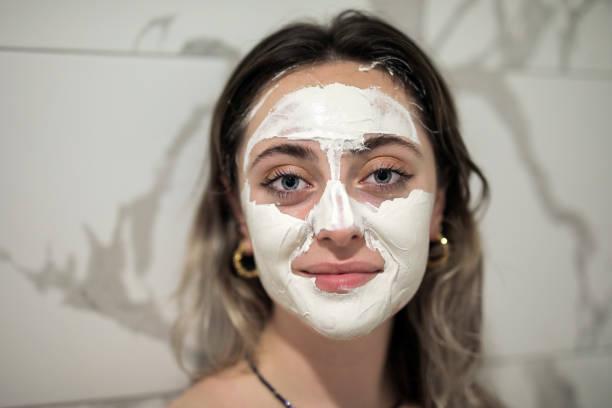
The skin barrier is the foundation of healthy, resilient skin. It regulates moisture, defends against environmental stressors, and supports cellular repair. Cold Peeling for Face in Riyadh Cold peeling delivers gentle exfoliation and brightening by removing dead surface cells—but this process temporarily compromises the barrier. How you support and protect that barrier determines not only your recovery but also the long-term health of your skin. If you have undergone Cold Peeling for Face in Riyadh, this guide explains how to support the barrier and maintain results for years.
Why the Skin Barrier Matters
The skin barrier, also called the stratum corneum, is the outermost layer of skin. It consists of corneocytes (skin cells) embedded in a lipid matrix of ceramides, cholesterol, and fatty acids. This structure prevents water loss and blocks irritants, allergens, and pathogens. When the barrier is compromised, skin becomes dry, reactive, and vulnerable to infection and inflammation. Cold peeling temporarily disrupts this barrier by removing surface cells. Proper care supports rapid recovery and long-term resilience. A Cold Peeling for Face in Riyadh practitioner will emphasize barrier support as essential aftercare.
How Cold Peeling Affects the Barrier
Cold peeling removes dead cells from the stratum corneum, thinning the protective layer temporarily. This is beneficial for renewal but leaves skin more permeable and sensitive. The barrier typically recovers within days with proper care. Without support, however, recovery may be prolonged, and skin may remain reactive. Understanding this process helps you prioritize barrier-friendly practices during recovery. Patients researching cold peel treatment should recognize that barrier care is not optional.
Barrier-Supporting Ingredients
Ceramides
Lipids that form the barrier's structural foundation, replenishing what is lost.
Cholesterol
Works with ceramides to rebuild the lipid matrix.
Fatty Acids
Support barrier lipid composition and reduce moisture loss.
Hyaluronic Acid
Attracts and retains water, improving hydration.
Panthenol (Vitamin B5)
Soothes and supports healing.
Niacinamide
Calms inflammation and supports barrier function.
Squalane
Mimics natural skin oils, softening and protecting.
Products to Avoid During Recovery
Retinoids
Wait until cleared, typically several days.
Alpha and Beta Hydroxy Acids
Irritate healing skin and delay recovery.
Vitamin C (High Concentration)
May sting; wait for clearance.
Benzoyl Peroxide
Drying and irritating during recovery.
Fragrances and Essential Oils
Common irritants for compromised skin.
Alcohol-Based Toners
Strip the barrier and cause dryness.
Physical Exfoliants
Scrubs and brushes damage healing tissue.
Building a Barrier-Supportive Routine
Morning
Gentle cleanser → hydrating serum → barrier moisturizer → sunscreen.
Evening
Gentle cleanser → calming serum → barrier moisturizer.
Weekly
Cold peeling sessions as scheduled; avoid layering with other exfoliants.
This simple structure supports both immediate recovery and long-term resilience.
Long-Term Barrier Health
Once healing completes, maintain practices that support the barrier. Avoid over-exfoliation. Use gentle cleansers. Moisturize consistently. Protect from sun exposure. Introduce actives gradually and avoid combining too many at once. These habits preserve barrier function and support skin that looks healthy rather than merely treated.
Nutrition and Hydration for Barrier Health
Protein supports tissue repair. Vitamin C aids collagen synthesis. Zinc supports wound healing. Omega-3 fatty acids reduce inflammation. Adequate water supports skin hydration from within. Limit alcohol, which dehydrates. Avoid smoking, which constricts blood vessels and impairs barrier function. These nutritional habits support barrier resilience.
When to Seek Professional Guidance
Contact your practitioner for persistent redness, stinging, swelling, or any symptom that concerns you. These may indicate barrier compromise requiring treatment. If skin remains reactive despite gentle care, consult your practitioner for product recommendations or treatment adjustments. A Cold Peeling for Face in Riyadh patient who communicates openly receives appropriate care.
Maintaining Results With Long-Term Care
Cold peeling works best as part of an ongoing skincare strategy. Schedule maintenance sessions every one to three months. Maintain consistent daily barrier care. Adjust products seasonally. Support your skin from within through nutrition, hydration, and sleep. This comprehensive approach delivers cumulative improvement that lasts rather than short-lived refresh that fades.
For those seeking expert guidance and customized aesthetic care, you can book an appointment consultation at the Enfield Royal Clinic.
FAQs
Why is barrier support important after cold peeling?
Cold peeling temporarily compromises the barrier; support speeds recovery and prevents irritation.
What ingredients support the barrier?
Ceramides, cholesterol, fatty acids, hyaluronic acid, panthenol, and niacinamide.
Is cold peel treatment safe for sensitive skin?
Yes, with gentle formulations and barrier-focused aftercare.
How often should I get cold peel treatment?
Most patients benefit from sessions every two to four weeks initially, then maintenance every one to three months.
What if my skin remains reactive?
Contact your practitioner for product recommendations or treatment adjustments.

 English
 Arabic
 French
 Spanish
 Portuguese
 Deutsch
 Turkish
 Dutch
Dutch
 Italiano
 Romaian
 Portuguese (Brazil)
 Greek
Greek
