
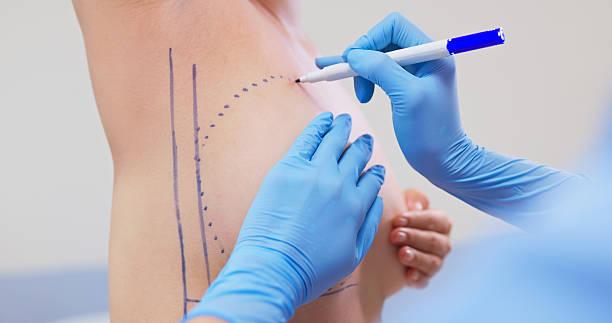
Genetics shape nearly every aspect of your body, from height and bone structure to skin quality and healing capacity. Silicone Breast Implants in Riyadh When considering breast augmentation, family history offers clues about how your body may respond to surgery and how your results may age over time. Understanding these inherited factors helps you plan realistically and discuss relevant concerns with your surgeon. If you are considering Silicone Breast Implants in Riyadh, this guide examines what genetics means for your surgical journey.
Why Family History Matters for Augmentation
Your genetic background influences breast tissue composition, skin elasticity, fat distribution, and healing response. A family history of certain conditions may affect surgical planning or monitoring recommendations. While genetics does not determine your outcome, it provides context that helps your surgeon personalize your care. A Silicone Breast Implants in Riyadh consultation should include discussion of relevant family health history.
Breast Cancer Risk and Family History
Family history of breast cancer is one of the most important considerations. While implants do not cause cancer, patients with significant family history may have different screening recommendations. Certain genetic mutations—BRCA1, BRCA2, and others—substantially increase breast cancer risk and may influence decisions about surgery. If you have a strong family history, genetic counseling may be recommended before proceeding. Patients researching breast augmentation costs in riyadh should prioritize thorough evaluation over price when family history is a concern.
Skin Quality and Scarring Genetics
Genetics influence collagen quality, skin elasticity, and scar formation. Some families have a tendency toward keloid or hypertrophic scarring, which affects incision healing. If you or close relatives form raised, thickened scars, discuss this with your surgeon. Incision placement and scar care protocols may be adjusted accordingly. Understanding your genetic tendencies helps set realistic scar expectations.
Healing Capacity and Recovery
Healing speed and quality vary between individuals, partly due to genetics. Some patients recover quickly with minimal bruising; others take longer. Collagen synthesis rates, inflammatory responses, and immune function all have genetic components. While you cannot change your genetics, you can optimize factors within your control—nutrition, hydration, sleep, and smoking cessation—to support the best possible healing.
Breast Tissue Composition
Genetics determine whether breasts are primarily glandular or fatty tissue, how dense they are, and how they respond to hormonal changes. Dense breast tissue may affect mammogram interpretation and monitoring recommendations. Fat distribution patterns influence how breasts change with weight fluctuations. Your surgeon considers these factors when planning implant selection and placement.
Tendency Toward Asymmetry
Natural breast asymmetry is common and often runs in families. If your mother or sisters have notable asymmetry, you may share this tendency. Your surgeon assesses existing asymmetry and plans accordingly, sometimes using different implant sizes or techniques to improve balance. Complete symmetry is rarely achievable, but significant improvement is possible. Patients comparing breast augmentation costs in riyadh should recognize that asymmetry correction may influence surgical planning.
Autoimmune and Connective Tissue Considerations
Family history of autoimmune conditions or connective tissue disorders warrants discussion. While implants have not been proven to cause autoimmune disease, patients with existing conditions may have different risk profiles or healing responses. Certain connective tissue disorders affect skin elasticity and healing. Honest disclosure of family history allows your surgeon to assess whether additional evaluation is needed.
Hormonal Factors and Family Patterns
Family patterns of early menopause, hormonal disorders, or breast conditions may influence your surgical planning. If relatives experienced significant breast changes with hormonal transitions, you may too. Understanding these patterns helps you plan for long-term changes and set realistic expectations about how results may evolve over decades.
Genetic Testing and Counseling
If your family history suggests elevated breast cancer risk, genetic counseling and testing may be recommended before surgery. This is not to discourage augmentation but to ensure appropriate screening and informed decision-making. A Silicone Breast Implants in Riyadh surgeon should coordinate with appropriate specialists when genetic concerns arise.
Communicating Family History to Your Surgeon
Be thorough when discussing family history. Mention breast cancer, autoimmune conditions, connective tissue disorders, scarring tendencies, and any genetic testing results. Bring up patterns you have noticed in relatives. This information helps your surgeon personalize your care and anticipate potential challenges.
Questions to Ask Your Surgeon
Ask whether your family history affects surgical planning. Ask if genetic counseling is recommended. Ask how scarring tendencies influence incision placement. Ask about monitoring recommendations given your family history. Ask whether any relatives' experiences are relevant to your situation.
For those seeking expert guidance and customized aesthetic care, you can book an appointment consultation at the Enfield Royal Clinic.
FAQs
Does family history of breast cancer affect augmentation?
It may influence screening recommendations and, in some cases, require genetic counseling first.
Is breast augmentation costs in riyadh affected by family history?
Costs vary by procedure; genetic evaluation and additional screening are separate considerations.
Can genetics affect my scarring?
Yes, tendencies toward keloid or hypertrophic scarring run in families and affect incision healing.
Should I get genetic testing before surgery?
Only if your family history suggests elevated risk; your surgeon can advise.
How does family history affect implant selection?
It may influence sizing, placement, and monitoring based on inherited tissue characteristics.

 English
 Arabic
 French
 Spanish
 Portuguese
 Deutsch
 Turkish
 Dutch
Dutch
 Italiano
 Russian
 Portuguese (Brazil)
 Greek
Greek
