
How Soon Should You Get Tested for HIV?
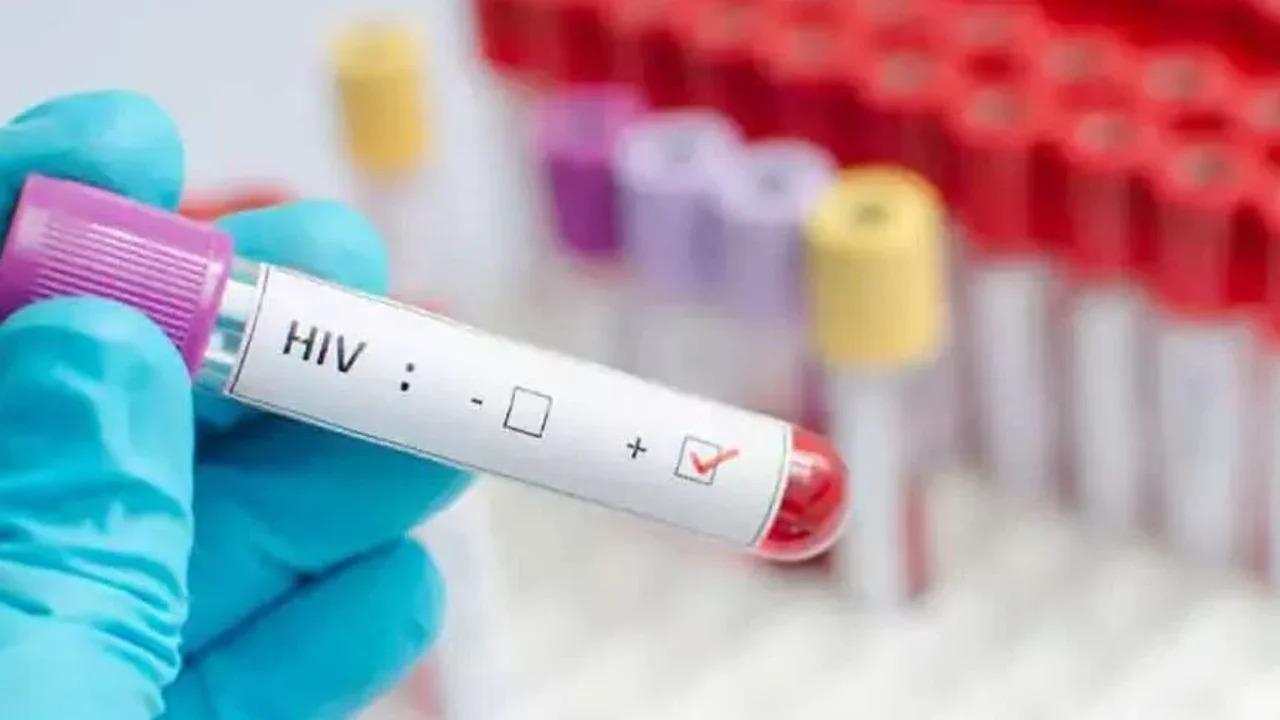
Knowing when to get tested for HIV can be confusing, especially after a possible exposure. Many people want to take a test immediately, while others wait for symptoms to appear. However, the best testing approach depends on several factors, particularly the time since potential exposure and the type of HIV test being used.
An HIV Test in Dubai can help determine whether HIV is detected, but testing too soon may not provide a definitive answer. HIV tests need time to detect the markers associated with infection.
If you believe you have recently been exposed, professional medical advice can help you understand when testing should take place and whether any urgent preventive measures may be appropriate.
Why Timing Matters for HIV Testing
HIV is not necessarily detectable immediately after transmission. After exposure, the body goes through a period during which the infection may not yet be detectable by a particular test.
This period is known as the window period.
The length of the window period varies according to the type of test. Some laboratory-based tests can detect HIV earlier than certain antibody-only tests, but every testing method has a period during which a recent infection may not yet be detected.
This is why simply testing as soon as possible and assuming that a negative result is final may not always be appropriate.
A healthcare professional can help interpret the result according to the testing method and timing.
Enfiled STD Clinic for HIV Testing Guidance
At Enfiled STD Clinic, individuals concerned about possible HIV exposure can discuss their situation with healthcare professionals and receive guidance about appropriate testing.
During a consultation, a healthcare provider may ask when the possible exposure occurred, what type of exposure took place, whether protection was used, and whether previous HIV testing has been performed.
These details can help determine an appropriate testing strategy.
An HIV Test in Dubai can be arranged according to the individual's circumstances, while professional guidance can help explain whether a repeat test may be needed.
If the exposure was very recent, prompt medical advice is particularly important because some HIV prevention measures are time-sensitive.
Can You Get Tested Immediately After Exposure?
You can seek medical advice and testing soon after a possible exposure, but an immediate negative HIV result may not rule out an infection acquired from that recent exposure.
The reason is that HIV may not yet be detectable by the selected test.
An early test can still be useful in some circumstances because it may establish a baseline and become part of a broader testing plan. However, a healthcare professional can explain what that particular result means and whether another test should be taken later.
The important point is not to delay professional care simply because a test may need to be repeated.
Understanding the HIV Window Period
The window period refers to the time between potential HIV exposure and when a particular test can reliably detect infection.
Different HIV tests have different window periods. Antibody-only tests generally require more time for antibodies to develop, while combination antigen/antibody tests can detect additional markers and may identify infection earlier.
The exact interpretation depends on the specific test.
Because of these differences, there is no single testing day that is perfect for every person and every exposure.
If you are unsure about the timing, discussing the situation with a healthcare professional is the safest approach.
What Are the Main Types of HIV Tests?
HIV tests can generally be grouped according to the markers they detect.
Antibody tests look for antibodies produced by the immune system in response to HIV. These tests can be useful but may require more time after exposure before antibodies become detectable.
Antigen/antibody tests look for both HIV antibodies and p24 antigen. Laboratory-based versions of these tests are commonly used for screening and can detect infection earlier than antibody-only tests in many cases.
Nucleic acid testing can detect HIV genetic material and may be considered in certain circumstances, particularly when very recent infection is suspected.
The appropriate test depends on the individual's circumstances and professional medical assessment.
Does the Type of Exposure Matter?
Yes. Healthcare professionals may consider the type of exposure when evaluating HIV risk.
Unprotected vaginal or anal intercourse can create potential exposure when one partner has transmissible HIV. Sharing injection equipment can also create a route through infected blood.
Other forms of contact carry different levels of risk.
A possible exposure does not mean that HIV transmission definitely occurred. The purpose of risk assessment is to determine whether testing, prevention, or additional medical evaluation may be appropriate.
Should You Wait for Symptoms?
No. Waiting for symptoms is not a reliable approach to HIV testing.
Some people experience flu-like symptoms during early HIV infection, while others experience no noticeable symptoms.
Possible symptoms can include fever, fatigue, sore throat, swollen lymph nodes, headache, muscle aches, or a rash. However, these symptoms can also occur with many unrelated infections and illnesses.
Someone without symptoms can still have HIV.
For this reason, an HIV Test in Dubai can provide much more useful information than waiting to see whether symptoms develop.
What If You Have Symptoms After Exposure?
Developing symptoms after possible exposure can naturally cause concern, but symptoms do not confirm HIV.
A healthcare professional can evaluate the symptoms and determine whether HIV testing or other investigations are appropriate.
Other viral illnesses, bacterial infections, sexually transmitted infections, stress, and many non-infectious conditions can cause similar symptoms.
It is therefore important not to diagnose HIV based on symptoms alone.
Testing provides objective information and can help guide appropriate medical follow-up.
What Happens During an HIV Test?
The exact procedure depends on the testing method.
Many HIV tests use a blood sample. Some rapid testing methods use other sample types and can provide results relatively quickly.
Before testing, the healthcare professional may discuss the possible exposure and previous testing history. The sample is then collected and processed according to the selected method.
After the result becomes available, the healthcare provider can explain its meaning and whether additional testing is recommended.
The procedure itself is generally straightforward, although waiting for results can sometimes create emotional stress.
What Does a Negative Result Mean?
A negative HIV result means that HIV was not detected by the test.
However, if the test was performed during the window period, the result may not be sufficient to rule out a recent infection.
If testing has been performed at an appropriate time using a suitable test, a negative result can provide much greater reassurance.
A healthcare professional can help determine whether the timing of your test was appropriate or whether another test should be considered.
What If the Result Is Reactive?
A reactive HIV screening result does not automatically mean that HIV infection has been confirmed.
Screening tests identify results that require further evaluation. Confirmatory testing is generally needed before a diagnosis is established.
If a screening result is reactive, healthcare professionals can explain the confirmation process and arrange appropriate follow-up.
It is important to avoid assuming that a reactive screening result is the final diagnosis.
When Is Repeat Testing Recommended?
Repeat testing may be recommended when the first test was performed during the window period or when the healthcare professional believes additional confirmation is appropriate.
The timing of repeat testing depends on the test used and the circumstances surrounding exposure.
People should follow the specific recommendations provided by their healthcare provider rather than repeatedly testing without a clear schedule.
A planned testing approach can provide more useful information than taking multiple tests at random times.
What If the Exposure Was Very Recent?
If a possible HIV exposure occurred very recently, do not wait for symptoms or a future testing date before seeking medical advice.
Certain HIV prevention measures are time-sensitive and may need to be considered as soon as possible after exposure.
A healthcare professional can assess whether urgent preventive treatment is appropriate and explain how HIV testing should be scheduled.
This is one of the situations where prompt medical evaluation can be particularly important.
Should You Test for Other STIs?
Possible sexual exposure may involve more than HIV.
Depending on the circumstances, a healthcare professional may recommend testing for other sexually transmitted infections, including chlamydia, gonorrhea, syphilis, or hepatitis.
Some STIs can cause symptoms, while others may remain unnoticed.
A broader sexual health assessment can therefore be useful after certain types of exposure.
How to Prepare for HIV Testing
HIV testing usually does not require complicated preparation.
It can be helpful to know approximately when the possible exposure occurred and whether you have had previous HIV tests.
You should also tell the healthcare professional about any relevant symptoms and other potential exposures.
Providing accurate information helps the provider choose an appropriate testing strategy and explain the result correctly.
There is no need to feel embarrassed about discussing sexual health. These conversations are a routine part of professional healthcare.
Final Thoughts
The right time to take an HIV test depends on the type of test, the timing of the possible exposure, and individual circumstances. Testing immediately after exposure may not rule out a very recent infection because of the window period.
An HIV Test in Dubai can provide valuable information when performed using an appropriate method and at a suitable time. If testing occurs too early, repeat testing may be recommended.
If you have recently experienced a possible exposure, seek professional medical advice promptly rather than waiting for symptoms. A qualified healthcare professional can explain testing options, appropriate timing, preventive measures, and any additional sexual health screening that may be relevant.

 English
 Arabic
 French
 Spanish
 Portuguese
 Deutsch
 Turkish
 Dutch
Dutch
 Italiano
 Russian
 Portuguese (Brazil)
 Greek
Greek
