
Revealed: The Rise of Digital Broadcasting Systems in Global Markets
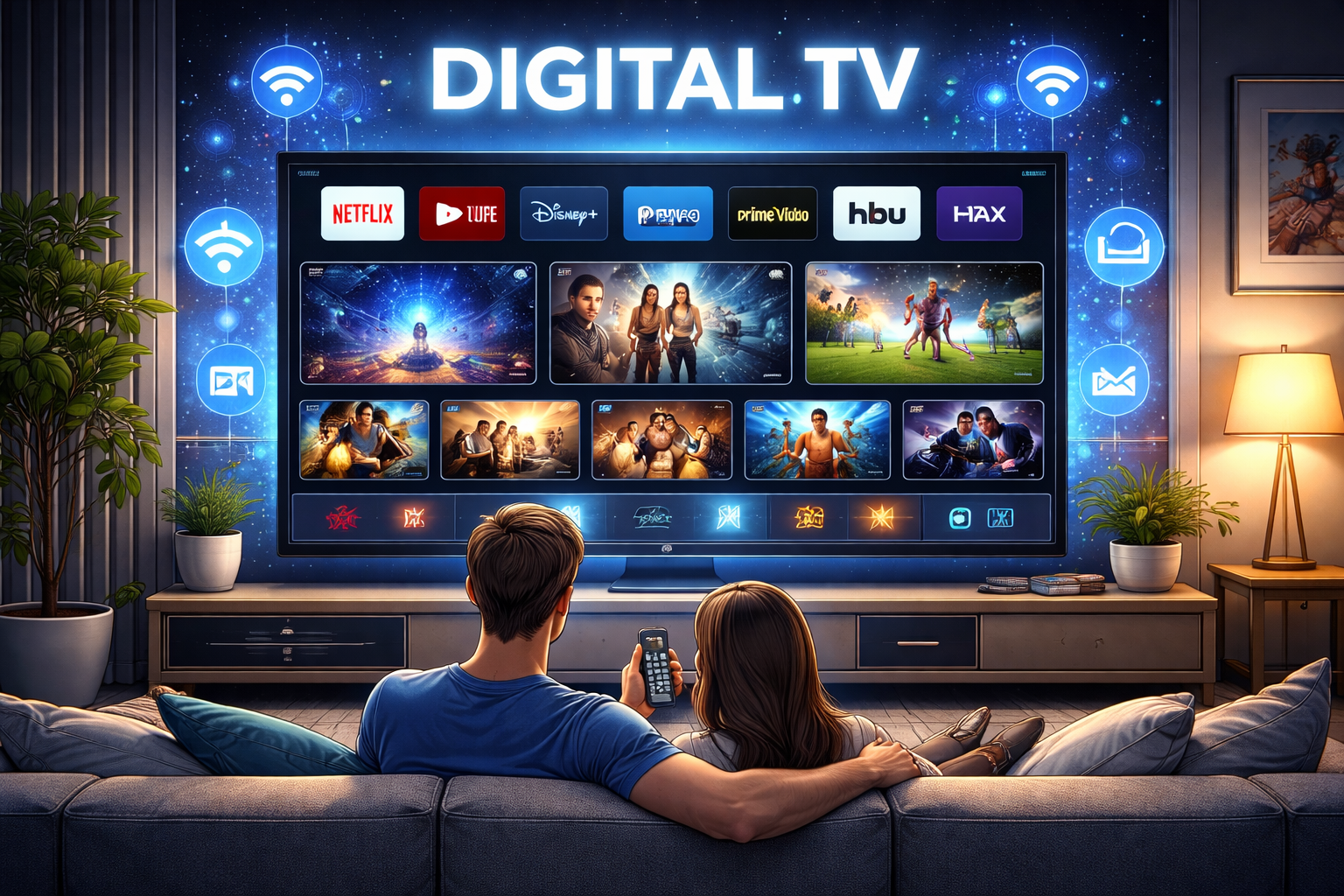
The shift toward digital broadcasting systems is becoming increasingly pivotal in shaping multimedia consumption. Market Research Future indicates that the digital TV market is poised for substantial growth, with projections showing an increase to USD 299.74 billion by 2035 at a CAGR of 12.16%. This growth is not merely a reflection of technological advancements but also a response to evolving consumer preferences for content delivery. In 2024, the market is expected to reach USD 84.81 billion, underscoring a significant acceleration as we approach 2035.
As the landscape of television continues to evolve, the capabilities afforded by high definition television and smart TV platforms are central to this transformation. The high demand for enhanced viewing experiences and access to diverse content has catalyzed this transition. Digital signal transmission technologies, including DVB (Digital Video Broadcasting), are critical in facilitating seamless content delivery and ensuring high quality across platforms. The integration of these systems allows broadcasters to efficiently reach wider audiences, heralding a new era for digital television broadcasting trends.
Current market dynamics reveal a vibrant competitive landscape, where key players such as Samsung Electronics (KR), LG Electronics (KR), Sony Corporation (JP), and Apple Inc. (US) are making significant strides. Their innovations have emphasized not just the necessity of high-quality content, but also the importance of personalization and user engagement in smart TV platforms. With the dominance of streaming services, these companies are adapting to meet consumer demands for on-the-go access and content variety.
The increasing adoption of smart TVs is partly to blame for the rapid transformation within the Digital TV Market. Leading market players are pivoting to offer integrated solutions that enhance user interaction with content delivery. Roku Inc. (US) and Amazon.com Inc. (US) have also contributed to this evolution, focusing on delivering user-friendly interfaces that cater to diverse viewer preferences, thereby enhancing the overall viewing experience. This competitive environment fosters not only innovation but also strategic partnerships aimed at expanding content libraries and enriching viewer engagement.
Several key factors are driving the momentum in the digital TV market. First, the rise of streaming services plays a critical role, fundamentally reshaping content consumption patterns, especially within North America, which currently stands as the largest market. Consumers are gravitating towards platforms that provide tailored content experiences, leading to increased investments in smart TV content platforms growth.
Second, the integration of AI technologies enhances user experiences significantly. By leveraging AI, companies can analyze viewer preferences and behaviors, allowing for personalized content recommendations. This shift towards personalization is particularly pronounced in the 1080p segment, which remains the largest in terms of market share. The demand for enhanced video quality is driving the hd and 4k tv adoption rates, allowing consumers to experience content with unparalleled clarity.
However, challenges such as content fragmentation and high operational costs could hinder growth. The ongoing battle for viewer attention poses a significant challenge for companies that must continuously innovate to keep consumers engaged. Moreover, regulatory hurdles and the need for consistent quality across different digital broadcasting systems add layers of complexity to market operations.
Regionally, the Asia-Pacific market is emerging as the fastest-growing area, driven by rapidly increasing internet penetration and smartphone usage. This region is witnessing a surge in demand for high-definition content as consumers become more accustomed to the benefits of smart TV platforms. According to forecasts, the digital TV market in Asia-Pacific is projected to expand dramatically by 2035, driven by the exponential growth of digital content and the increasing adoption of streaming services.
In contrast, North America remains the largest market for digital televisions, where traditional cable television is increasingly being supplanted by on-demand streaming options. Companies operating within this region are emphasizing the importance of digital signal transmission technologies to enhance content delivery. This shift showcases a crucial change in consumer behavior, indicating a marked transition towards digital-first approaches in content consumption.
The market presents numerous opportunities for stakeholders willing to adapt to ongoing changes. Strategic investments in advanced digital broadcasting systems can unlock new revenue streams through unique partnerships with content creators and streaming services. The expansion of user-generated content platforms also represents a significant growth opportunity, allowing for diversified content libraries that engage broader audiences.
Furthermore, the ongoing quest for innovation in smart TV technologies and high-definition offerings sets the stage for future advancements. Companies that prioritize research and development in AI-driven content curation will likely gain a competitive edge as personalized viewing becomes a standard expectation among consumers. The drive toward sustainability also opens doors for brands focused on eco-friendly technologies in device manufacturing and content delivery.
As we look to 2035, the digital TV market is poised for remarkable transformations. The anticipated growth trajectory suggests that companies must remain agile and responsive to emerging trends, particularly in terms of smart TV content platforms growth and user engagement strategies. The competitive landscape is expected to evolve, with new entrants challenging established market players while existing firms enhance their technology stack to maintain relevance.
Additionally, the integration of next-generation broadcast technologies will likely redefine viewer experiences, as consumers increasingly expect seamless access to high-quality content across multiple devices. According to Market Research Future, the next decade will witness unprecedented developments that will forever change how content is created, distributed, and consumed.
AI Impact Analysis
Artificial intelligence is set to play a transformative role in the digital TV market, influencing both content delivery and viewer engagement strategies. Utilizing machine learning algorithms, companies can tailor content suggestions based on individual viewing habits, effectively increasing user satisfaction and retention rates. AI can also optimize broadcast quality, making real-time adjustments to transmission settings based on viewer device capabilities, thereby enhancing the overall quality of digital broadcasting systems. Moreover, with the growing importance of data analytics, companies can leverage AI-driven insights to make informed decisions about content creation and acquisition. This analytical approach not only streamlines operations but also ensures that broadcasters remain responsive to viewer preferences and trends, thereby solidifying their market position.
Frequently Asked Questions
Outdoor Led Smart Lighting Solution Market

 English
 Arabic
 French
 Spanish
 Portuguese
 Deutsch
 Dutch
Dutch
 Italiano
 Russian
 Romaian
 Portuguese (Brazil)
 Greek
Greek