
Can Dental Braces Correct Crowded Teeth?
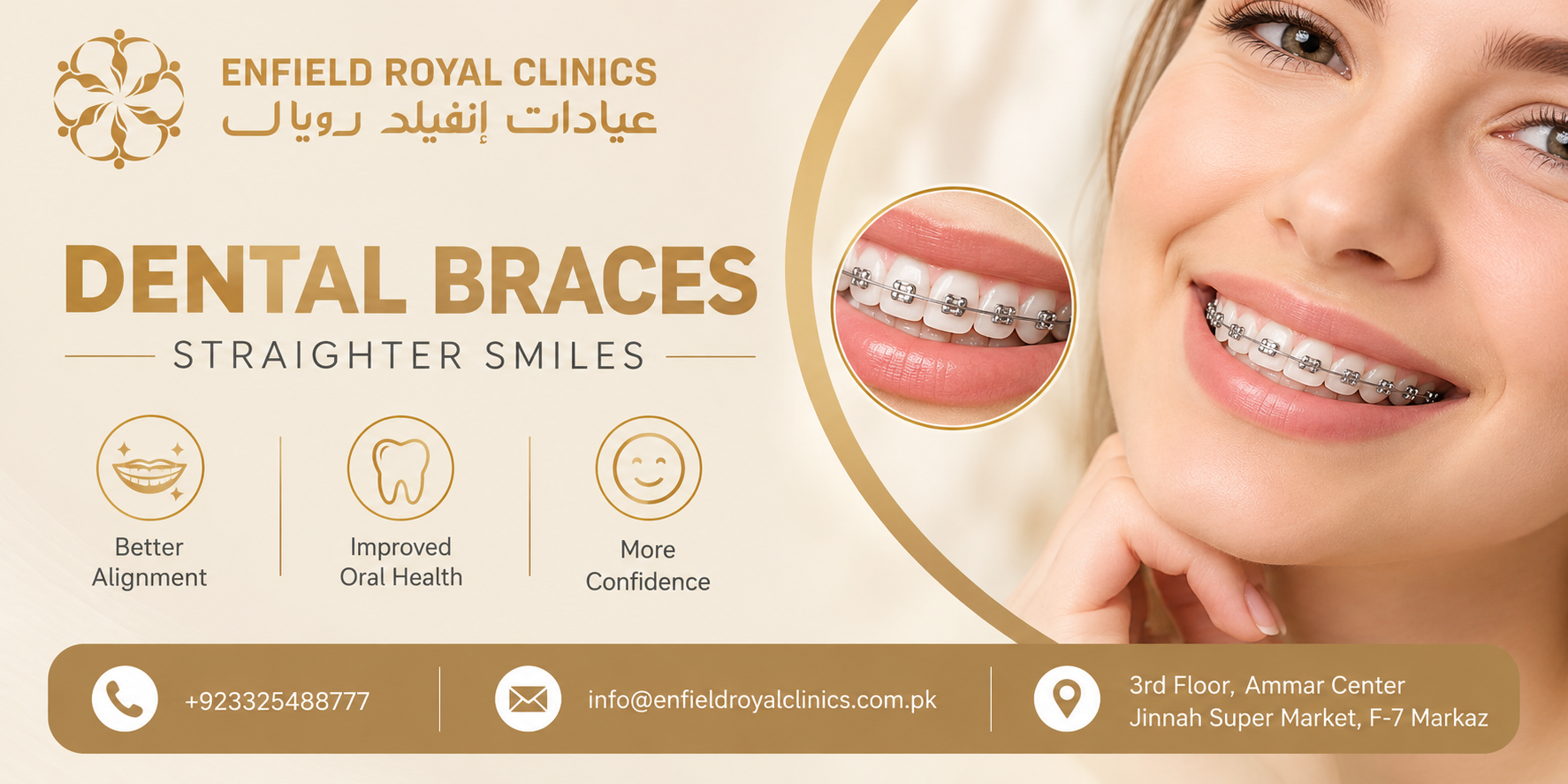
Crowded teeth are a common dental alignment concern that can affect the appearance of a smile and make everyday oral hygiene more challenging. When teeth do not have enough room to fit properly within the dental arch, they may overlap, rotate, or sit behind one another. Dental Braces can help correct many cases of crowded teeth by gradually moving them into more appropriate positions.
Orthodontic treatment does not simply focus on making teeth look straight. A dentist or orthodontist also considers the bite, available space, jaw structure, tooth position, and overall oral health. With careful planning and regular monitoring, braces can help create a more organized and balanced smile.
What Causes Crowded Teeth?
Crowding can develop for several reasons. Some people naturally have smaller dental arches compared with the size of their teeth, while others may have inherited characteristics that influence tooth alignment. Early loss of baby teeth, delayed tooth eruption, and certain oral habits can also contribute to alignment problems.
As permanent teeth develop, they may not have enough space to emerge in their ideal positions. This can cause teeth to overlap, rotate, or become displaced.
A professional dental examination helps determine the underlying factors contributing to crowding and whether Dental Braces are an appropriate treatment option.
How Do Dental Braces Correct Crowding?
Dental Braces work by applying controlled pressure to the teeth over time. Brackets and wires or other orthodontic components guide individual teeth toward planned positions.
The dentist creates a treatment strategy based on the amount and location of crowding. Teeth may gradually move forward, backward, sideways, or rotate as necessary to improve alignment.
Treatment is performed progressively rather than moving all teeth at once. Regular appointments allow the dentist to monitor tooth movement and make adjustments as needed.
Can Braces Create More Space for Crowded Teeth?
Creating sufficient space is an important part of treating dental crowding. Depending on the patient's condition, the dentist may use the available space within the dental arches or recommend an appropriate method for managing the space.
In mild cases, carefully planned tooth movement may provide enough room for better alignment. More complex cases require detailed assessment to determine the most appropriate approach.
The goal is to create a functional and balanced arrangement rather than simply pushing teeth into a straighter-looking position.
Are Different Types of Braces Available?
Several types of Dental Braces can be used to address crowded teeth. Traditional metal braces are widely used because they provide precise control over tooth movement.
Ceramic braces offer a less noticeable appearance because their brackets are designed to blend more closely with the natural color of the teeth. Depending on the case, other orthodontic systems may also be considered.
The best option depends on the severity of crowding, treatment requirements, oral health, lifestyle, and personal preferences. A dentist can recommend an appropriate option after completing an examination.
How Does a Dentist Assess Crowded Teeth?
Before starting treatment, the dentist evaluates the position of the teeth and the overall condition of the mouth. They may examine the amount of crowding, tooth rotation, spacing, bite, gums, and available space.
X-rays or digital scans may also be used to understand tooth roots, jaw structures, and developing teeth. These records help the dentist plan how individual teeth should move.
A detailed assessment is important because crowding can vary significantly between patients. One person may have mild overlapping, while another may have more complex alignment concerns.
Can Braces Improve the Bite Along With Crowding?
Yes. When teeth are crowded, their position can sometimes affect the way the upper and lower teeth meet. Orthodontic treatment can address alignment and bite concerns together when appropriate.
The dentist evaluates whether an overbite, underbite, crossbite, or other bite irregularity is present. Treatment can then be planned to improve the relationship between the upper and lower teeth.
Improving the bite can contribute to better dental function while also supporting a more balanced smile.
How Long Does Treatment for Crowded Teeth Take?
The treatment duration varies from patient to patient. The severity of crowding, amount of tooth movement required, age, selected orthodontic method, and patient cooperation can all influence the timeline.
Mild crowding may require less treatment time than complex cases involving significant rotations or bite problems.
Regular appointments are important because the dentist needs to monitor progress and make appropriate adjustments. Following instructions about appointments, oral hygiene, and braces care can help keep treatment progressing as planned.
What Results Can You Expect From Braces?
The primary goal of Dental Braces for crowded teeth is to improve alignment. As treatment progresses, overlapping teeth can gradually move toward more organized positions.
Patients may notice changes in their smile during different stages of treatment, but the final result develops gradually. The dentist evaluates both the appearance and function of the teeth before completing treatment.
The final outcome depends on the individual's dental condition and response to treatment. A professional assessment provides a more realistic understanding of the expected results.
How Should You Care for Crowded Teeth During Treatment?
Good oral hygiene is especially important while wearing Dental Braces. Brackets and wires can create areas where food particles and plaque collect.
Patients should brush carefully around brackets and along the gumline. Cleaning between teeth is also important, and a dentist can recommend suitable tools and techniques.
Following dietary guidance can help protect the orthodontic components. Hard or sticky foods may damage braces, so patients should follow their dentist's recommendations.
Regular dental checkups should also continue throughout orthodontic treatment.
What Happens After Crowded Teeth Are Straightened?
Once the teeth reach their planned positions, the dentist may remove the braces and recommend retainers. Retainers help maintain the new alignment while the teeth adjust to their corrected positions.
Wearing retainers according to professional instructions is an important part of protecting the results. Without appropriate retention, teeth can gradually shift over time.
Good oral hygiene and routine dental visits also remain important after orthodontic treatment.
Are Dental Braces Right for Crowded Teeth?
Dental Braces can effectively address many cases of crowded teeth by gradually guiding teeth into better positions. However, the appropriate treatment depends on the patient's individual dental structure and the severity of crowding.
A professional consultation is the best way to determine whether braces are suitable for you. Your dentist can examine your teeth, evaluate your bite, discuss available treatment options, and create a personalized plan.
With proper planning, regular monitoring, and consistent aftercare, orthodontic treatment can help transform crowded teeth into a more aligned, functional, and confident smile.
For more information visit Enfield royal clinic in islamabad

 English
 Arabic
 French
 Portuguese
 Deutsch
 Turkish
 Dutch
Dutch
 Italiano
 Russian
 Romaian
 Portuguese (Brazil)
 Greek
Greek
