
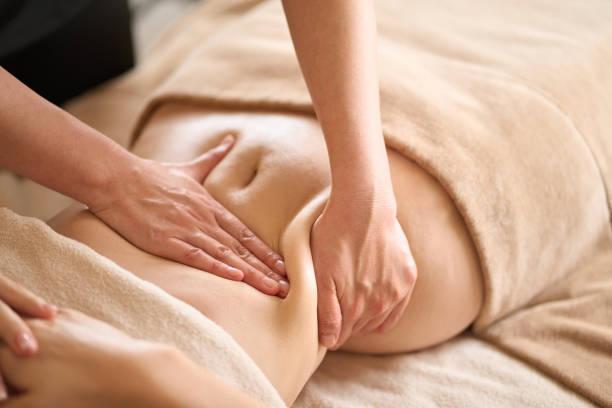
Chronic swelling is a different challenge from the acute puffiness that follows a long flight or a salty meal. Lymphatic Massage in Riyadh When fluid accumulates persistently over months or years, tissue begins to change, and short-term fixes stop working. Managing chronic swelling requires a long-term strategy rather than isolated sessions. If you are exploring Lymphatic Massage in Riyadh for ongoing swelling, understanding how to build sustainable care matters as much as the treatment itself.
Why Chronic Swelling Differs from Acute Swelling
Acute swelling is a temporary response to injury, immobility, or dietary factors, and it typically resolves once the trigger passes. Chronic swelling persists because the underlying drainage capacity has been exceeded or compromised. Venous insufficiency, prior surgery, radiation, lymphedema, or prolonged immobility can all reduce the system's ability to clear fluid. Over time, persistent congestion leads to tissue changes—fibrosis, hardening, and reduced elasticity—that make drainage progressively harder.
The Consequences of Leaving Swelling Untreated
Ignoring chronic swelling allows a predictable progression. Fluid stagnates, proteins accumulate, and inflammation becomes chronic. Fibrous tissue gradually replaces healthy tissue, reducing elasticity and further impeding lymph flow. Skin changes may develop, including thickening and increased infection risk. The longer swelling persists, the more difficult it becomes to reverse. Early, consistent intervention consistently produces better outcomes than waiting for tissue changes to establish.
How Lymphatic Massage Fits Into Long-Term Care
Manual lymphatic drainage is a cornerstone of chronic swelling management, but it works best as part of a comprehensive strategy rather than a standalone solution. Sessions reduce accumulated fluid, soften tissue, and restore some drainage capacity. Between sessions, compression, movement, elevation, and skin care maintain the gains. Patients searching for lymphatic drainage massage near me for chronic swelling should look for practitioners experienced in long-term management rather than one-time treatment.
Core Components of a Long-Term Strategy
Regular Professional Drainage
Frequency depends on severity; some patients need weekly sessions initially, tapering to monthly maintenance.
Compression Therapy
Graduated garments support drainage between sessions and are often essential for chronic swelling.
Consistent Movement
Walking, swimming, and targeted exercises activate the muscle pump that drives lymph.
Elevation
Raising affected limbs above heart level daily supports drainage.
Meticulous Skin Care
Preventing infection is critical, since swollen tissue is more vulnerable.
Anti-Inflammatory Nutrition
Reducing sodium and processed foods limits fluid retention and inflammation.
Why Compression Matters So Much
For chronic swelling, compression is not optional. Graduated compression garments apply external pressure that assists venous and lymphatic return, preventing fluid from reaccumulating between drainage sessions. Garments must fit properly—poorly fitted compression can worsen problems. Many patients require custom-fitted garments prescribed by a qualified practitioner. Lymphatic Massage in Riyadh providers often coordinate with specialists to ensure appropriate compression therapy.
Movement and Exercise Considerations
Physical activity supports drainage but must be appropriate to the condition. Walking and swimming are generally well tolerated. Aquatic therapy is particularly valuable because water pressure provides natural compression. Resistance training may be appropriate with professional guidance, though heavy lifting can worsen some conditions. Range-of-motion exercises maintain joint mobility and prevent stiffness. The key is consistent, moderate activity rather than intense sporadic effort.
Tracking Progress Objectively
Chronic swelling management benefits enormously from objective measurement. Circumferential measurements at fixed points, standardized photographs, and weight tracking reveal changes that subjective impressions miss. Bring this data to follow-up appointments so treatment can be adjusted based on evidence rather than impression. Tracking also helps patients stay motivated during slow phases when progress is not immediately visible.
Preventing Complications
Chronic swelling increases susceptibility to cellulitis and other skin infections. Meticulous skin care—moisturizing, treating minor cuts promptly, avoiding insect bites, and wearing protective footwear—reduces this risk. Any signs of infection, including redness, warmth, pain, or fever, require prompt medical attention. Patients with chronic swelling should maintain regular contact with their medical team, not only their massage practitioner.
When Lymphatic Massage Is Not Enough
Some causes of chronic swelling require medical or surgical intervention. Venous insufficiency may need vascular treatment. Lymphedema may require specialized decongestive therapy. Heart, kidney, and liver conditions causing swelling require medical management. Lymphatic massage supports these treatments but does not replace them. Honest practitioners recognize their scope and refer appropriately when needed.
For those seeking expert guidance and customized aesthetic care, you can book an appointment consultation at the Enfield Royal Clinic.
FAQs
Can lymphatic massage cure chronic swelling?
It manages symptoms effectively but rarely cures underlying causes without comprehensive care.
How often are sessions needed long-term?
Frequency varies; many patients taper from weekly sessions to monthly maintenance over time.
Is compression always necessary?
For most chronic swelling, graduated compression is essential between drainage sessions.
Is lymphatic drainage massage near me safe for lymphedema?
Yes, with a practitioner trained in lymphedema management and medical coordination.
When should I see a doctor instead?
Seek medical evaluation for one-sided swelling, pain, redness, or swelling with breathing difficulty.

 English
 Arabic
 French
 Spanish
 Portuguese
 Deutsch
 Turkish
 Dutch
Dutch
 Russian
 Romaian
 Portuguese (Brazil)
 Greek
Greek
