
What Happens During an HIV Screening? Complete Guide
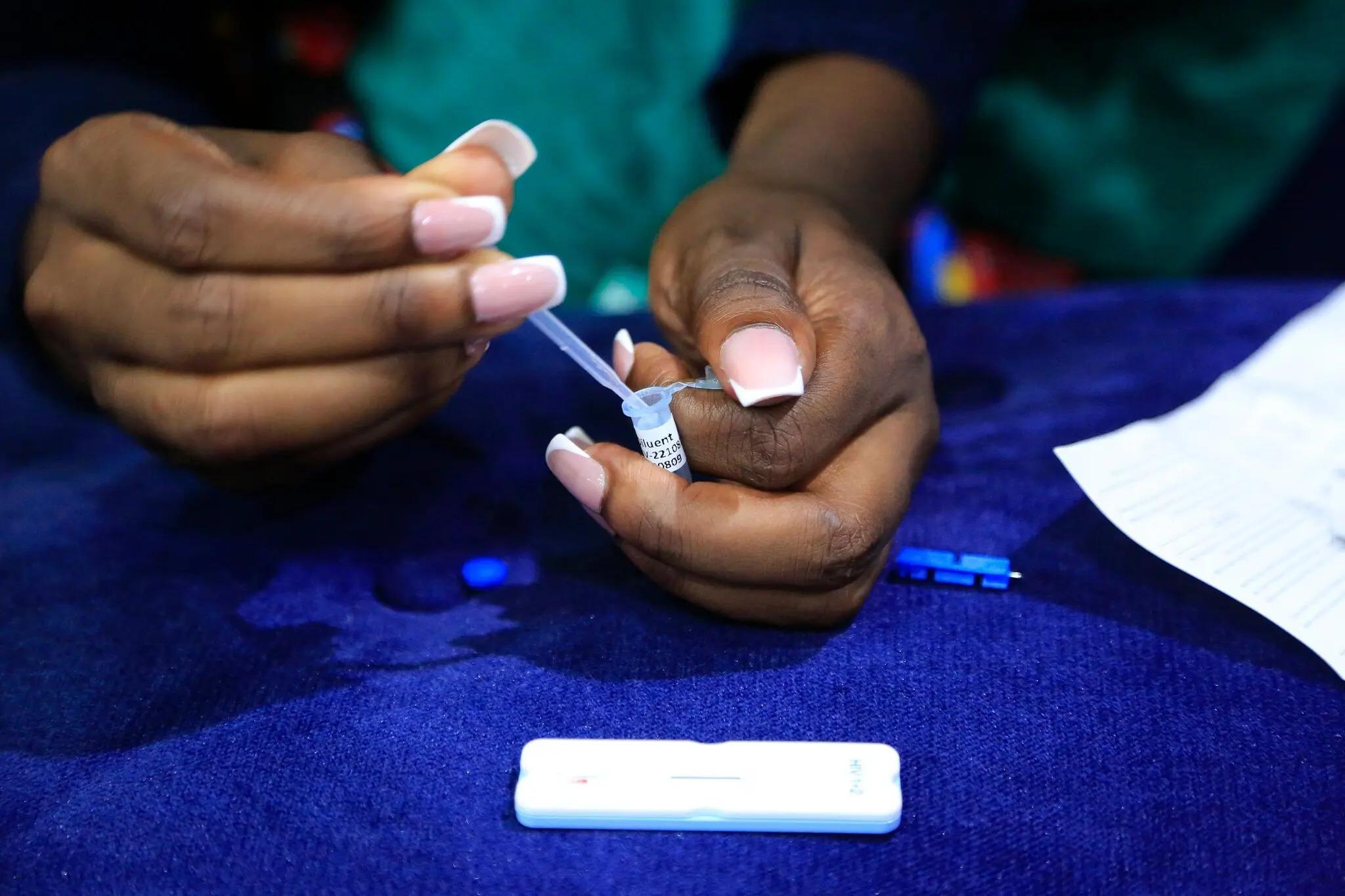
HIV screening is a straightforward healthcare process used to determine whether there is evidence of HIV infection. Modern testing methods are designed to identify specific markers associated with HIV, and healthcare professionals can select an appropriate test based on the person's circumstances.
People considering an HIV Test in Dubai may feel uncertain about what will happen during the appointment. In most cases, the process is much simpler than many people expect. A healthcare professional may first discuss the reason for testing, ask about the timing of any possible exposure, and then collect the appropriate sample.
Understanding the process beforehand can make testing feel more comfortable and help you know what information may be useful to provide.
Why HIV Screening Is Recommended
HIV can sometimes exist without noticeable symptoms, particularly during certain stages of infection. This means that a person cannot reliably determine their HIV status based only on how they feel.
Screening can be considered after a possible exposure, as part of routine sexual health care, or when a healthcare professional believes testing may be appropriate. People may also choose testing simply because they want to know their current status.
Early awareness can help people access appropriate medical care and take informed steps regarding their health and future prevention.
Enfiled STD Clinic for Professional HIV Screening
At Enfiled STD Clinic, people seeking an HIV Test in Dubai can discuss their concerns with healthcare professionals and learn more about the screening process. The provider can explain the available testing method, sample collection procedure, expected results, and whether follow-up testing may be appropriate.
Professional screening can be particularly helpful when the timing of a possible exposure is unclear. Rather than relying on symptoms or assumptions, a healthcare professional can consider the circumstances and explain how the test should be interpreted.
The goal is to provide a structured testing experience while helping individuals understand what their results mean.
What Happens Before the Test?
Before the sample is collected, the healthcare professional may ask a few questions. These questions can include when a possible exposure occurred, whether there have been other recent exposures, and whether the person has experienced any symptoms or other health concerns.
These questions are not intended to judge the individual. They help the provider understand the situation and determine which testing approach may be appropriate.
It is useful to provide honest and accurate information. Knowing the approximate date of a possible exposure can be especially important because HIV tests have different detection windows.
Types of HIV Screening Tests
Several types of HIV tests are available. Antibody tests look for antibodies produced by the immune system in response to HIV. Combination antigen/antibody tests look for both antibodies and an HIV antigen.
Nucleic acid tests, sometimes called NATs, look for HIV genetic material. These tests can detect infection earlier in some circumstances, although they are not necessarily used as routine screening for everyone.
The test selected can depend on factors such as the reason for testing, timing of possible exposure, and healthcare recommendations.
How the Sample Is Collected
The sample collection method depends on the type of test being performed. Some HIV tests use a blood sample, while certain rapid tests may use a different type of specimen.
If blood is required, a healthcare professional generally collects it using standard clinical procedures. The sample is then processed according to the testing method.
Sample collection is usually a short part of the overall appointment. If you have concerns about needles, discomfort, or the testing procedure, you can discuss them with the healthcare professional beforehand.
Does HIV Screening Take a Long Time?
The amount of time required can vary depending on the testing method and healthcare facility. The sample collection itself may be relatively quick, while laboratory-based testing may require additional processing time before the result is available.
Some rapid testing methods can provide results more quickly, while laboratory tests may take longer. The healthcare provider can explain when you should expect your result.
It is important not to compare testing times between different clinics or test types without considering the specific method being used.
Understanding the Window Period
One of the most important aspects of HIV screening is timing. A test cannot necessarily detect HIV immediately after infection. The window period is the time between infection and when a particular test can reliably detect the relevant marker.
If someone tests too soon after a possible exposure, the result may be negative even if infection has occurred. This is why healthcare professionals may recommend testing again after an appropriate interval.
When arranging an HIV Test in Dubai, telling the provider when the possible exposure occurred can help them explain whether testing now is appropriate and whether follow-up testing may be needed.
What Does a Negative Result Mean?
A negative result means that the test did not detect the markers it was designed to identify. However, the meaning of a negative result depends partly on when the test was performed.
If sufficient time has passed and the test was performed correctly, a negative result can provide strong information about HIV status. If testing was performed during the window period, however, additional testing may be recommended.
This is why a healthcare professional should interpret the result in the context of the testing timeline rather than treating every negative result in exactly the same way.
What Does a Reactive Result Mean?
A reactive screening result does not automatically mean that someone has HIV. Screening tests are designed to identify people who may require additional evaluation, and reactive results generally need confirmatory testing.
If a screening test is reactive, the healthcare provider can explain what happens next. Additional laboratory testing is used to determine whether HIV infection is actually present.
It is important to remain calm and follow professional guidance rather than assuming that a preliminary screening result is a final diagnosis.
Can Symptoms Affect HIV Screening?
Symptoms do not determine whether an HIV test will be positive or negative. Some people may experience symptoms after infection, while others may not notice anything unusual.
Symptoms such as fever, fatigue, sore throat, swollen lymph nodes, or rash can occur with many different conditions. They cannot confirm HIV infection on their own.
Testing is therefore more reliable than attempting to diagnose HIV based on symptoms. If symptoms are present, a healthcare professional can determine whether HIV testing or additional health screening is appropriate.
What Happens After the Result?
After receiving a result, the healthcare professional may explain what it means based on the test used and the timing of testing. If the result is negative but the test was taken too early, follow-up testing may be recommended.
If the result is reactive, confirmatory testing may be required. The provider can explain the next steps and answer questions about additional evaluation.
The testing process should not end with simply receiving a result. Understanding the result and knowing whether any further action is necessary are equally important parts of responsible healthcare.
Why Confidential Professional Testing Matters
Many people feel nervous about HIV testing because of privacy concerns or fear of judgment. A professional healthcare environment can provide an appropriate setting for discussing sexual health concerns and testing needs.
Confidentiality and respectful communication can make it easier for individuals to provide accurate information about possible exposures. This can help healthcare professionals give more appropriate guidance.
Anyone who is concerned about HIV should feel comfortable asking questions about the test, the window period, the result, and any recommended follow-up.
HIV Screening and Other Sexual Health Tests
HIV is only one of several infections that can affect sexual health. Depending on a person's circumstances, a healthcare professional may recommend additional screening for other sexually transmitted infections.
Different infections require different tests, and some can occur without obvious symptoms. A broader sexual health assessment may therefore be appropriate after certain types of exposure.
Discussing your complete concerns with a healthcare provider can help determine whether additional testing should be considered.
Final Thoughts
An HIV screening appointment is generally a structured and straightforward process. It may involve discussing your health concerns, reviewing the timing of possible exposure, collecting a sample, processing the test, and explaining the result.
If you are considering an HIV Test in Dubai, understanding the testing process beforehand can make the experience easier and help you ask the right questions. Most importantly, remember that the timing of testing matters, and a healthcare professional can guide you on whether follow-up testing is appropriate.

 English
 Arabic
 French
 Spanish
 Portuguese
 Deutsch
 Turkish
 Dutch
Dutch
 Italiano
 Russian
 Romaian
 Portuguese (Brazil)
