
Posterior Root Canal: What to Expect During Care
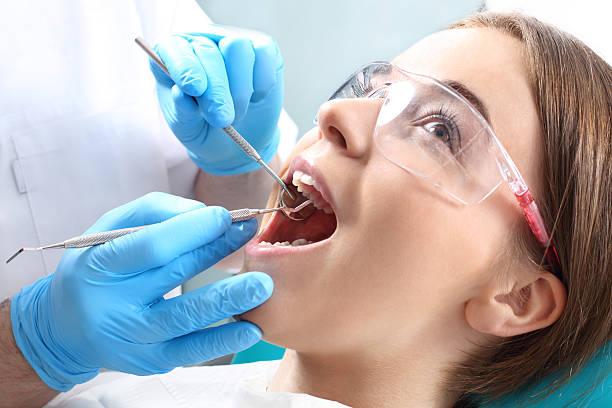
A Posterior Root Canal in Dubai is a dental procedure used to treat infection or damage inside the back teeth, particularly molars and premolars. These teeth have several canals and play an important role in chewing, so preserving them can help maintain normal oral function. When the inner pulp becomes inflamed or infected because of deep decay, cracks, or repeated dental procedures, root canal care may help save the natural tooth.
Understanding what happens during the procedure can make the experience easier and help patients feel more prepared. Your dentist will first examine the affected tooth and determine whether root canal therapy is the appropriate option.
Why a Posterior Tooth May Need Root Canal Care
Posterior teeth can develop problems when bacteria reach the dental pulp, which contains nerves and blood vessels. Deep cavities are one of the most common causes, but trauma, fractures, and extensive restorations can also affect the pulp.
Patients may notice persistent toothache, sensitivity to hot or cold foods, discomfort while chewing, swelling, or tenderness around the tooth. In some cases, an infection may develop without causing strong symptoms at first. A dental examination and appropriate imaging can help identify the condition beneath the visible tooth structure.
Dental Clinic: Preparing for Your Care
At a Dental Clinic, the dentist will normally begin by reviewing your symptoms and examining the affected tooth. Dental X-rays or other diagnostic images may be used to understand the shape of the roots and identify signs of infection around the tooth.
Before starting, local anesthesia is generally used to numb the area and improve comfort during the procedure. The dentist may also place a protective dental dam around the tooth to keep the treatment area clean and isolated from saliva.
Cleaning the Infected Root Canals
Once the tooth is numb and properly prepared, the dentist creates a small opening in the tooth to reach the pulp chamber. The damaged or infected pulp is carefully removed from inside the tooth.
Because molars and other posterior teeth can have multiple canals, cleaning them requires careful attention. Specialized dental instruments are used to shape and clean the canals, removing bacteria and infected material. The canals are then prepared for sealing.
This stage is important because thoroughly cleaning the internal spaces can reduce the presence of harmful bacteria and help create a healthier environment inside the tooth.
Sealing and Protecting the Tooth
After the canals have been cleaned and shaped, they are filled and sealed with suitable dental material. The purpose of sealing is to close the internal spaces and reduce the chance of bacteria entering the treated canals again.
A temporary restoration may sometimes be placed first, depending on the treatment plan. Since posterior teeth experience considerable pressure during chewing, a permanent restoration such as a dental crown may be recommended to strengthen and protect the tooth.
What Recovery May Feel Like
It is normal for the treated area to feel slightly tender or sensitive after a root canal procedure. This discomfort is often temporary and can generally improve as the surrounding tissues settle.
Patients should follow their dentist's aftercare instructions and avoid putting unnecessary pressure on the tooth until the recommended restoration has been completed. Good oral hygiene should continue, including regular brushing and gentle flossing around the treated tooth.
If severe pain, increasing swelling, or unusual symptoms develop after the procedure, contacting your dentist is important. Prompt professional advice can help determine whether additional care is necessary.
Protecting Your Natural Tooth After Care
A successful root canal is only one part of maintaining a healthy tooth. Daily oral hygiene, routine dental examinations, and limiting excessive pressure on restored teeth can support long-term results.
A properly restored posterior tooth can continue serving an important role in chewing. Protecting the surrounding teeth is equally important because untreated cavities and gum problems can create additional dental concerns.
Final Thoughts
Knowing what to expect during a Posterior Root Canal can help reduce uncertainty and make the dental experience more comfortable. From diagnosis and canal cleaning to sealing and restoration, each stage has an important purpose in preserving the natural tooth. Good aftercare and regular oral hygiene can also support lasting dental health.

 English
 Arabic
 French
 Spanish
 Portuguese
 Deutsch
 Turkish
 Dutch
Dutch
 Italiano
 Romaian
 Portuguese (Brazil)
 Greek
Greek
