
Root Canal Treatment: Pain and Recovery Guide
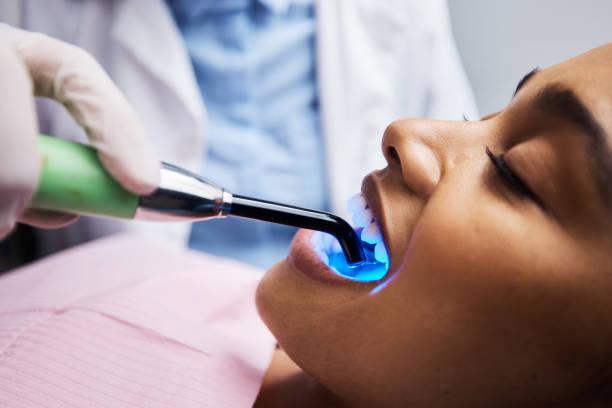
Root Canal Treatment in Dubai is commonly recommended when infection or inflammation reaches the pulp inside a tooth. Deep decay, cracks, trauma, or repeated dental work can allow bacteria to reach this sensitive area and cause discomfort. Many patients worry that the procedure itself will be painful, but modern dental techniques are designed to make the experience as comfortable as possible.
The discomfort associated with an infected tooth can often be more troublesome than the procedure. Root canal therapy focuses on removing the damaged pulp, cleaning the internal canals, and sealing the tooth. Once the source of the infection has been addressed, the tooth can be restored and used normally.
Understanding what happens before, during, and after the procedure can help reduce anxiety and make the recovery period easier to manage.
Does Root Canal Treatment Hurt?
A common concern is whether root canal therapy causes significant pain. Before starting the procedure, the dentist normally uses local anesthesia to numb the affected tooth and surrounding area. This helps minimize discomfort while the dentist works inside the tooth.
Patients may feel pressure, vibration, or movement during the procedure, but they should communicate with the dentist if they experience discomfort. Additional anesthesia can be provided when necessary.
The purpose of the procedure is to remove the infected or inflamed pulp that may be responsible for ongoing tooth pain. Once this damaged tissue has been removed and the canals have been cleaned and sealed, the original infection-related discomfort can begin to settle.
What Causes Pain Before Treatment?
Tooth pain associated with pulp infection can vary significantly. Some people experience a dull, constant ache, while others may notice sharp pain when eating or drinking something hot or cold.
Deep decay can irritate the pulp gradually, allowing symptoms to develop over time. A crack or injury may cause sudden sensitivity or discomfort. In some cases, pain becomes stronger when lying down or trying to sleep.
Swelling around the affected tooth may also occur when infection spreads into the surrounding tissues. These symptoms should not be ignored because delaying an examination can allow the underlying problem to progress.
Dental Clinic: Preparing for Comfortable Care
A Dental Clinic can evaluate your symptoms and prepare an appropriate care plan before root canal therapy begins. The dentist may perform a clinical examination and take X-rays to understand the condition of the tooth and surrounding structures.
Before the procedure, your dentist can explain what will happen and discuss any concerns you may have about discomfort. Local anesthesia is generally used to numb the area, helping you remain comfortable during the procedure.
Good communication is important throughout the appointment. Informing your dentist about sensitivity or anxiety allows them to make appropriate adjustments and provide reassurance during the process.
What Can You Expect After the Procedure?
It is normal for the treated tooth to feel slightly tender after root canal therapy. The tissues surrounding the tooth may be sensitive because they have been affected by the original infection and the dental procedure.
This tenderness may become noticeable when biting or applying pressure to the tooth. For many patients, it gradually improves as the area heals.
Following your dentist's specific instructions is important during this period. If medication has been recommended, use it exactly as directed. Contact your dental professional if symptoms become severe, continue to worsen, or are accompanied by significant swelling.
Eating After Root Canal Treatment
Food choices can matter during the early recovery period, particularly when a temporary restoration has been placed. Hard, crunchy, or sticky foods may put unnecessary pressure on the treated tooth.
Soft foods can be easier to manage immediately after the procedure. It is also advisable to chew on the opposite side when your dentist recommends protecting the treated tooth until its final restoration is completed.
Once the permanent restoration has been placed and your dentist confirms that the tooth is ready, normal eating can generally resume according to your individual circumstances.
Protecting the Tooth During Recovery
A treated tooth may require a permanent filling or crown depending on how much natural structure remains. A crown can provide additional protection when a tooth has been significantly weakened by decay or previous damage.
Good oral hygiene should continue during recovery. Brush regularly with fluoride toothpaste and clean carefully between your teeth. Keeping the surrounding area clean helps support overall oral health and reduces the risk of new decay.
Regular dental appointments are also valuable. Your dentist can monitor the treated tooth, check the restoration, and identify any future concerns early.
When Should You Contact Your Dentist?
Mild tenderness can be expected, but certain symptoms require professional attention. Contact your dentist if you develop significant swelling, severe or increasing pain, a persistent bad taste, fever, or difficulty opening your mouth.
These symptoms may indicate that further assessment is needed. Avoid delaying professional care simply because the original toothache has changed or temporarily disappeared.
Supporting a Smooth Recovery
Root Canal Treatment can help address infection while preserving a natural tooth. Although some tenderness may occur afterward, proper anesthesia, careful dental techniques, and appropriate aftercare can make the overall experience manageable.
Following professional instructions, protecting the treated tooth, maintaining good oral hygiene, and attending follow-up appointments can support recovery and long-term dental health. With appropriate care, the restored tooth can continue to contribute to comfortable chewing and a healthy smile.

 Arabic
 French
 Spanish
 Portuguese
 Deutsch
 Turkish
 Dutch
Dutch
 Italiano
 Russian
 Romaian
 Portuguese (Brazil)
 Greek
Greek
