
Melasma In Manchester: Effective Treatments for Brighter-Looking Skin
Melasma is a common pigmentation concern that can cause brown, grey, or darker patches to appear on the face. It most often develops on areas such as the cheeks, forehead, nose, upper lip, and chin, where the skin receives regular exposure to light. Although melasma does not usually affect physical health, uneven pigmentation can make the complexion appear dull or less uniform.
For people looking for Melasma In Manchester, understanding the condition and available treatment options is an important first step. Melasma can be influenced by factors such as sunlight, hormonal changes, genetics, and skin type, so a personalised approach is often more appropriate than relying on a single skincare product.
Professional assessment at SLA Medical Clinic can help determine the appearance and pattern of pigmentation and identify an appropriate treatment approach for brighter-looking, more even skin.
What Is Melasma?
Melasma is an acquired pigmentation condition characterised by symmetrical patches of increased pigmentation, particularly across areas of the face. It occurs when pigment-producing cells become more active and produce excess melanin.
The condition can affect different skin tones, although it is particularly common in people with medium to darker complexions. Melasma can also become more noticeable during periods of hormonal change or after increased exposure to sunlight.
Unlike temporary skin dullness, melasma can persist for an extended period and may require a consistent treatment and maintenance plan.
Common Areas Affected by Melasma
Melasma commonly appears on:
- Cheeks
- Forehead
- Upper lip
- Nose
- Chin
- Jawline
Some people may have pigmentation concentrated around one facial area, while others develop patches across several areas at the same time.
What Causes Melasma?
Melasma does not have one single cause. Several factors can contribute to increased melanin production.
Sun and Light Exposure
Ultraviolet radiation is one of the most important factors associated with melasma. Exposure to sunlight can stimulate pigment production and make existing pigmentation more noticeable.
Consistent sun protection is therefore an important part of managing melasma. Dermatology guidance commonly recommends broad-spectrum sunscreen with SPF 30 or higher alongside other protective measures.
Hormonal Changes
Hormonal fluctuations can influence melasma. This is why pigmentation may appear or become more pronounced during pregnancy, while using hormonal contraception, or during other periods of hormonal change.
Genetic Factors
Some individuals may be more predisposed to melasma because of their genetic background and skin characteristics. Having family members with pigmentation concerns may increase the likelihood of developing the condition.
Skin Irritation
Aggressive skincare routines can sometimes make pigmentation management more difficult. Excessive exfoliation, harsh products, or unnecessary irritation may interfere with the skin barrier and make the complexion appear more uneven.
How Is Melasma Diagnosed?
Before starting treatment, a professional assessment can help determine whether the pigmentation is consistent with melasma and how extensive it is.
A consultation may consider:
- The location and pattern of pigmentation
- How long the pigmentation has been present
- Previous skincare and treatments
- Sun exposure
- Hormonal factors
- Current skincare products
- Skin type and tone
- Whether the pigmentation appears superficial or deeper
This assessment allows a treatment plan to be tailored to the individual's skin rather than applying the same approach to everyone.
Effective Treatment Options for Melasma
There are several approaches that may be considered when treating melasma. The most suitable option depends on the severity, pigmentation depth, skin type, and previous treatment history.
Prescription and Medical-Grade Topical Treatments
Topical treatments are commonly used as an initial approach for melasma. Depending on individual circumstances, dermatology professionals may consider ingredients such as hydroquinone, azelaic acid, retinoids, kojic acid, or tranexamic acid.
Research reviews have found evidence supporting several topical agents for reducing melasma pigmentation, although treatment selection should be individualised according to skin tolerance and clinical circumstances.
Azelaic acid is another option that may be useful for pigmentation. Research comparing azelaic acid with hydroquinone has found that azelaic acid can be an effective treatment for reducing melasma severity.
Chemical Peels
Certain professional chemical peels can help improve the appearance of uneven pigmentation by encouraging the removal of pigmented surface skin and supporting a more even complexion.
Peels should be selected carefully for individuals with melasma because treatment intensity and formulation need to be appropriate for the person's skin type and pigmentation pattern.
A professional may recommend a series of treatments rather than expecting pigmentation to disappear after one session.
Laser and Light-Based Treatments
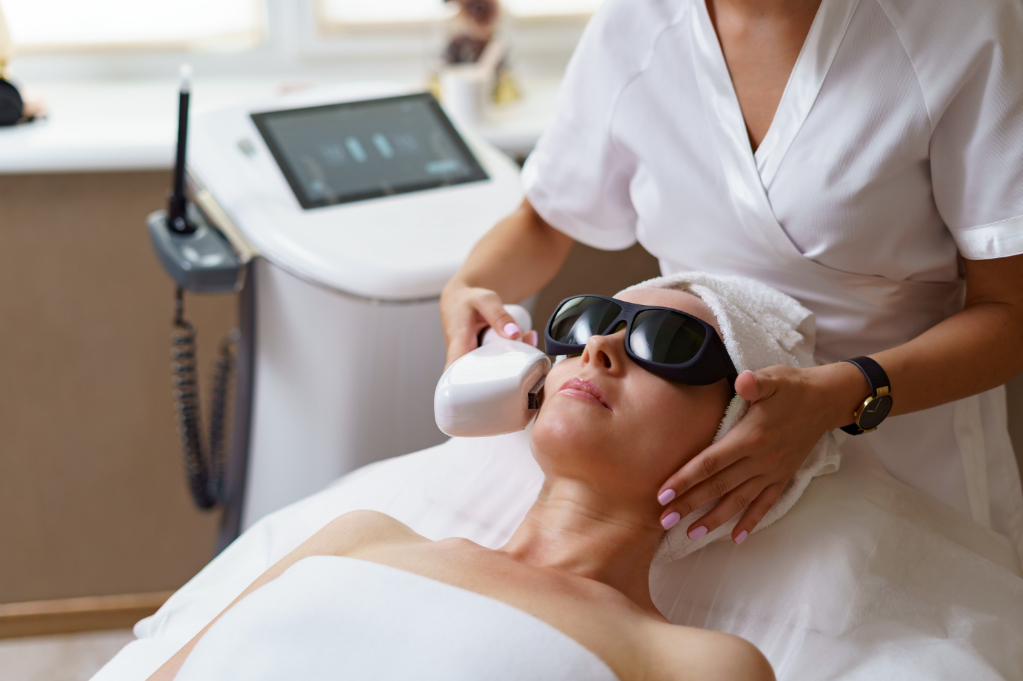
Some forms of persistent pigmentation may be considered for laser or light-based treatment. These technologies can target pigment within the skin and may be incorporated into a broader pigmentation-management plan.
However, melasma requires careful treatment selection because inappropriate intensity or unsuitable treatment can sometimes aggravate pigmentation. A professional assessment is therefore important before considering laser-based options.
Microneedling-Based Approaches
Microneedling may be considered as part of a pigmentation treatment programme. The procedure creates controlled microchannels in the skin and may also be used alongside selected topical ingredients.
Some research suggests that combining certain topical approaches with procedures such as microneedling may improve outcomes, although the most appropriate combination depends on the individual's skin and type of pigmentation.
Tranexamic Acid
Tranexamic acid has received increasing attention as an option for melasma. It can be used in different formulations and may be considered when pigmentation is persistent.
Studies and systematic reviews have reported improvements in melasma with tranexamic acid, although the appropriate form and suitability should be determined by a qualified professional.
Why Sun Protection Matters During Melasma Treatment
Even when professional treatment is being used, daily sun protection remains an important part of pigmentation management.
Sun exposure can stimulate additional melanin production and make existing pigmentation more visible. Dermatology recommendations commonly include broad-spectrum SPF 30 or higher, alongside practical measures such as seeking shade and wearing protective clothing or a wide-brimmed hat.
Make SPF Part of Your Daily Routine
For people managing melasma, sunscreen should not be reserved for sunny summer days. UV exposure can occur throughout the year, so daily application is an important part of maintaining more even-looking skin.
Reapplication may also be necessary when spending extended periods outdoors.
Consider Visible-Light Protection
Visible light may also contribute to pigmentation in some individuals. Tinted sunscreens containing iron oxides are increasingly discussed for people with melasma because they can provide protection against portions of visible light as well as UV radiation.
Creating a Melasma Skincare Routine
A professional treatment plan can work alongside a consistent home skincare routine.
Morning Routine
A simple morning routine may include:
- Gentle cleanser
- Recommended pigmentation treatment or antioxidant
- Moisturiser
- Broad-spectrum sunscreen
Avoid layering numerous strong active ingredients unless they have been recommended as part of your individual plan.
Evening Routine
An evening routine may include:
- Gentle cleansing
- Prescribed pigmentation treatment
- Moisturiser
Consistency is generally more important than using a large number of products.
How Long Does Melasma Treatment Take?
Melasma usually does not disappear instantly. Pigmentation develops over time, and improving its appearance can require consistent treatment and maintenance.
The timeframe can vary according to:
- Severity of pigmentation
- Depth of pigment
- Skin type
- Chosen treatment
- Response to treatment
- Consistency with skincare
- Sun exposure
Some people may notice gradual changes within several weeks, while more persistent pigmentation may require a longer treatment programme.
The objective is generally to achieve progressive improvement rather than expecting an overnight transformation.
Can Melasma Return After Treatment?
Melasma can be a persistent and recurring pigmentation condition. Even after the complexion becomes clearer, ongoing maintenance can be important.
Sun protection, an appropriate skincare routine, and professional follow-up can help support longer-term results. Dermatologists commonly emphasise maintenance because pigmentation can become more noticeable again following renewed exposure to triggering factors.
Understanding Melasma Cost In Manchester
The Melasma Cost In Manchester can vary considerably because treatment is not the same for every individual.
The overall price may depend on:
- Type of treatment selected
- Number of sessions required
- Severity of pigmentation
- Whether prescription skincare is included
- Whether multiple treatments are combined
- Follow-up appointments
- Individual treatment goals
A consultation is therefore the most useful way to understand the likely treatment requirements and associated cost.
Rather than choosing a treatment based only on price, it is important to consider whether the treatment is appropriate for your pigmentation and skin type.
Why Choose Professional Treatment for Melasma?
Professional assessment can help distinguish melasma from other forms of pigmentation and establish a treatment strategy based on individual needs.
At SLA Medical Clinic, an individualised approach can focus on improving uneven pigmentation while supporting a brighter and more balanced-looking complexion.
A professional plan can also help determine whether topical treatments, procedures, or a combination of approaches are appropriate.
What to Expect During a Melasma Consultation
A consultation generally begins with an assessment of the pigmentation and your skin history.
Skin Assessment
The appearance, location, and distribution of pigmentation can be evaluated to help determine the most appropriate approach.
Discussion of Your Goals
You can discuss what you would like to improve, whether that is cheek pigmentation, upper-lip pigmentation, forehead patches, or overall uneven skin tone.
Personalised Treatment Planning
Your treatment plan can then be tailored according to your skin characteristics, pigmentation pattern, previous treatments, and desired outcome.
Tips for Maintaining Brighter-Looking Skin
A few simple habits can complement professional treatment:
- Apply sunscreen every day.
- Limit prolonged direct sun exposure.
- Use gentle skincare products.
- Avoid excessive exfoliation.
- Follow prescribed treatments consistently.
- Keep the skin moisturised.
- Avoid frequently changing active skincare products.
- Attend recommended follow-up appointments.
- Maintain your skincare routine even after pigmentation improves.
Frequently Asked Questions About Melasma In Manchester
Is melasma the same as ordinary dark spots?
No. Melasma has a characteristic pattern of symmetrical pigmentation, commonly affecting the face. Other forms of pigmentation can have different causes, so professional assessment can help identify the condition.
Can melasma be completely removed?
Treatment can significantly improve the appearance of melasma, but the condition can be persistent and may return. Long-term maintenance and sun protection are therefore important.
What is the best treatment for melasma?
There is no single treatment that is best for everyone. Topical agents, chemical peels, tranexamic acid, microneedling, and selected laser or light-based treatments may all have a role depending on the individual case.
How often should I use sunscreen for melasma?
Sunscreen should generally be part of your daily skincare routine. When spending extended periods outdoors, reapplication is important to maintain protection.
How much does melasma treatment cost in Manchester?
The Melasma Cost In Manchester depends on the treatment method, number of sessions, skincare requirements, and individual pigmentation. A consultation can provide a more accurate estimate based on your personalised plan.
Achieve a More Even-Looking Complexion With Professional Care
Melasma can make facial pigmentation appear uneven, but a carefully planned treatment approach can help create a clearer, brighter-looking complexion. From professional topical treatments and chemical peels to selected procedures and ongoing skincare, treatment can be adapted to the individual's pigmentation and skin characteristics.
If you are searching for Melasma In Manchester, SLA Medical Clinic can provide a personalised approach focused on understanding your pigmentation and selecting suitable treatment options. Consistent skincare, professional guidance, and daily sun protection can all play an important role in supporting long-term improvement.

 English
 Arabic
 French
 Portuguese
 Deutsch
 Turkish
 Dutch
Dutch
 Italiano
 Russian
 Romaian
 Portuguese (Brazil)
 Greek
Greek
