
P‑Shot for Men With Chronic Health Conditions: Safety and Precautions
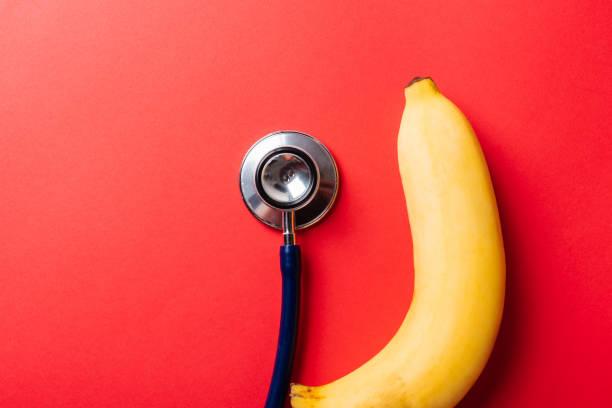
The P‑Shot, also known as the Priapus Shot, is a minimally invasive regenerative therapy that uses platelet‑rich plasma (PRP) to support penile tissue health and sexual function. In this treatment, a small amount of the patient’s own blood is drawn, processed to concentrate platelets and growth factors, and then injected into specific areas of the penis. PShot in Riyadh These growth factors help stimulate tissue repair, improve blood flow, and enhance penile sensitivity, which can be especially beneficial for men dealing with erectile dysfunction, low stamina, or decreased sexual confidence. Unlike many traditional treatments that rely on medications or surgery, the P‑Shot leverages the body’s natural healing mechanisms, making it an attractive option for men seeking a more holistic approach to sexual rejuvenation.
The focus keyword PShot in Riyadh is increasingly appearing in local searches as men from the region seek cutting‑edge, non‑surgical solutions for their intimate health concerns. By understanding the science behind the P‑Shot, men can make informed decisions about whether this treatment aligns with their overall wellness goals and chronic health management plans.
Who Can Benefit from the P‑Shot?
Men from various age groups and health backgrounds may benefit from the P‑Shot, particularly those experiencing erectile dysfunction, Peyronie’s disease, or reduced penile sensitivity. For men under 40, the P‑Shot can help address performance issues linked to lifestyle factors, stress, or psychological barriers. For men over 40, it may assist in restoring sexual vigor and counteracting age‑related changes in blood flow and tissue elasticity. Additionally, men with conditions such as Peyronie’s disease or those recovering from certain surgeries may find relief from curvature, discomfort, or decreased function through this regenerative therapy.
The appeal of the PShot in Riyadh lies in its ability to offer a non‑surgical, minimally invasive option that complements existing medical treatments. Men who are already managing chronic conditions like diabetes, hypertension, or cardiovascular issues can explore the P‑Shot as a supportive therapy, provided they work closely with their healthcare providers to ensure safety and compatibility with their current treatment plans.
Safety Considerations for Men With Chronic Conditions
Men with chronic health conditions must approach the P‑Shot with caution and under the guidance of qualified medical professionals. Conditions such as diabetes, hypertension, cardiovascular disease, and autoimmune disorders can affect the body’s response to any medical procedure, including regenerative therapies. Before undergoing the P‑Shot, a thorough medical evaluation is essential to assess overall health, medication use, and potential risks. Blood tests, imaging studies, and a detailed review of medical history can help identify any contraindications or precautions that need to be addressed.
For men with diabetes, careful monitoring of blood sugar levels is crucial, as fluctuations can impact healing and infection risk. Those with cardiovascular issues should ensure their heart health is stable and that any anticoagulant or blood‑thinning medications are appropriately managed. Men with autoimmune conditions may need to adjust their treatment regimens to minimize the risk of adverse reactions. Open communication with healthcare providers is key to ensuring the P‑Shot is administered safely and effectively, especially for individuals managing complex health profiles.
Precautions and What to Expect During the Procedure
Understanding what to expect during the P‑Shot procedure can help alleviate anxiety and ensure a smooth experience. The process typically begins with a consultation to discuss goals, medical history, and any concerns. During the treatment, a small blood sample is drawn, usually from the arm, and processed in a centrifuge to isolate platelet‑rich plasma. This concentrated PRP is then injected into the penis using a fine needle, targeting specific areas to enhance blood flow and tissue regeneration. The entire procedure is relatively quick, often completed in under an hour, and most men report minimal discomfort.
After the injection, patients may experience mild swelling, bruising, or tenderness, which usually resolves within a few days. It is important to follow post‑procedure instructions, such as avoiding strenuous activity, heavy lifting, or sexual activity for a specified period to allow proper healing. Men should also monitor for any unusual symptoms, such as excessive pain, fever, or discharge, and contact their healthcare provider promptly if these occur. By adhering to these precautions, patients can maximize the benefits of the P‑Shot while minimizing potential complications.
Real‑World Applications and Success Stories
Real‑world applications of the P‑Shot highlight its potential to transform sexual health and overall well-being. Men who have undergone the treatment often report improved erectile function, increased stamina, and enhanced penile sensitivity. These changes can lead to greater confidence in the bedroom and improved intimacy with partners. For men with Peyronie’s disease, the P‑Shot may help reduce curvature and discomfort, allowing for more comfortable and satisfying sexual activity. Additionally, men recovering from prostate cancer treatments or surgeries may find the P‑Shot helpful in restoring sexual function and quality of life.
Success stories from men who have tried the P‑Shot underscore the importance of personalized care and realistic expectations. While results can vary based on individual factors, many men experience noticeable improvements within weeks or months of treatment. Some report firmer erections, longer-lasting performance, and heightened pleasure, which can have a profound impact on their emotional and psychological health. By sharing these experiences, healthcare providers can help potential patients understand the potential benefits and limitations of the P‑Shot, enabling them to make informed decisions.
How the P‑Shot Integrates With Overall Health Management
Integrating the P‑Shot into a comprehensive health management plan can enhance its effectiveness and long‑term benefits. For men with chronic conditions, the P‑Shot should be viewed as a complementary therapy rather than a standalone solution. Lifestyle modifications, such as maintaining a healthy diet, regular exercise, adequate sleep, and stress management, can support the body’s natural healing processes and improve overall sexual function. Additionally, managing underlying health issues through medication, therapy, or other interventions can optimize the outcomes of the P‑Shot.
Collaboration between specialists, including urologists, endocrinologists, cardiologists, and mental health professionals, is essential for men with complex health profiles. Regular follow‑ups and monitoring can help track progress, adjust treatment plans, and address any emerging concerns. By taking a holistic approach that addresses both physical and emotional aspects of health, men can achieve more sustainable and meaningful improvements in their sexual well‑being.
Book an Appointment Consultation Clinic – Enfield Royal Riyadh
For men in Riyadh interested in exploring the P‑Shot as part of their sexual health journey, scheduling a consultation with a reputable clinic like Enfield Royal Riyadh can provide personalized guidance and support. During the consultation, healthcare providers can assess individual needs, discuss potential benefits and risks, and develop a tailored treatment plan that aligns with overall health goals. This collaborative approach ensures that patients receive the care and information necessary to make informed decisions about their intimate health.
FAQs
Q: Is the P‑Shot safe for men with diabetes?
A: The P‑Shot can be safe for men with diabetes when administered under the guidance of qualified healthcare providers. However, careful monitoring of blood sugar levels and a thorough evaluation of overall health are essential to minimize risks and ensure proper healing. Men with diabetes should discuss their condition and medication use with their doctor before undergoing the P‑Shot.
Q: Can men with cardiovascular disease undergo the P‑Shot?
A: Men with cardiovascular disease can consider the P‑Shot, but it is crucial to ensure their heart health is stable and that any anticoagulant or blood‑thinning medications are appropriately managed. A detailed medical evaluation and consultation with a cardiologist or primary care provider are recommended to assess safety and compatibility with existing treatment plans.
Q: How long do the results of the P‑Shot last?
A: Results can vary based on individual factors, but many men experience noticeable improvements within weeks or months of treatment. The effects may last for several months to a year or more, depending on overall health, lifestyle, and adherence to post‑procedure care. Regular follow‑ups and maintenance treatments may be recommended to sustain benefits.
Q: Are there any side effects associated with the P‑Shot?
A: Common side effects include mild swelling, bruising, or tenderness at the injection site, which typically resolve within a few days. Serious complications are rare but can include infection or adverse reactions. Men should monitor for unusual symptoms and contact their healthcare provider promptly if concerns arise.
Q: How does the P‑Shot differ from traditional ED treatments?
A: Unlike traditional ED treatments such as medications or surgery, the P‑Shot leverages the body’s natural healing mechanisms using platelet‑rich plasma. It offers a minimally invasive, non‑surgical option that can complement existing treatments and support tissue regeneration and improved blood flow, providing a holistic approach to sexual health restoration.

 English
 Arabic
 French
 Spanish
 Portuguese
 Deutsch
 Dutch
Dutch
 Italiano
 Russian
 Romaian
 Portuguese (Brazil)
 Greek
Greek