
Can exosomes reverse androgenetic alopecia effectively?
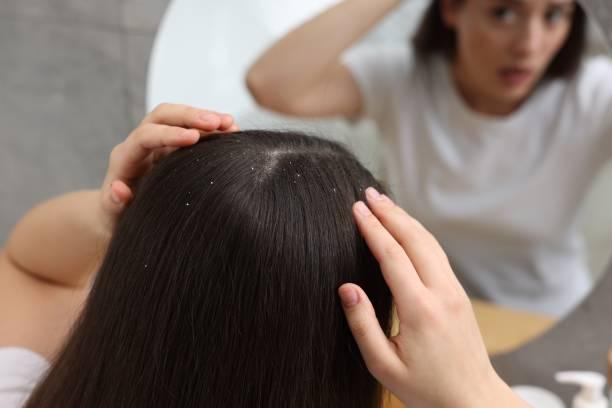
Androgenetic alopecia, commonly known as pattern hair loss, is one of the most widespread causes of thinning hair in both men and women. This condition occurs when hair follicles gradually shrink due to genetic and hormonal factors, leading to weaker hair strands and reduced hair density. With advancements in regenerative medicine, modern treatments are focusing on restoring follicle health rather than simply covering hair loss. One innovative solution gaining attention is exosomes for hair, which aims to stimulate hair follicles and improve scalp health through regenerative signals.
- Targets the biological causes of hair thinning
- Encourages natural follicle regeneration
- Supports stronger and thicker hair growth
- Non-surgical and minimally invasive treatment
Many individuals experiencing androgenetic alopecia are exploring Exosomes Therapy for Hair Loss in Riyadh because it focuses on activating the body’s natural healing processes. By delivering growth factors and regenerative molecules directly to the scalp, the therapy helps stimulate weakened follicles and improve the environment needed for healthy hair growth.
- Delivers regenerative signals to hair follicles
- Improves scalp circulation and nourishment
- Supports the natural hair growth cycle
- Helps strengthen existing hair strands
Understanding Androgenetic Alopecia
What Causes Pattern Hair Loss?
Androgenetic alopecia occurs due to a combination of genetic predisposition and hormonal influence. Over time, the hormone dihydrotestosterone (DHT) affects hair follicles, causing them to shrink and produce thinner hair strands until growth eventually slows down.
- Gradual thinning of hair over time
- Shrinking or miniaturization of hair follicles
- Reduced hair density on the scalp
- Genetic and hormonal factors involved
Because the condition develops gradually, early treatment can play an important role in maintaining healthy hair growth.
How Exosome Therapy Supports Hair Follicles
Regenerative Signals for Follicle Repair
Exosomes are microscopic vesicles that carry proteins, growth factors, and genetic information between cells. When introduced into the scalp, these biological messengers send signals that encourage damaged hair follicles to repair themselves and return to a healthier growth phase.
- Stimulates inactive follicles
- Improves cellular communication in the scalp
- Encourages follicle regeneration
- Supports stronger hair growth patterns
This regenerative mechanism is why Exosomes Therapy for Hair Loss in Riyadh is being explored as a promising treatment for individuals dealing with androgenetic alopecia.
Can Exosomes Reverse Androgenetic Alopecia?
Managing Rather Than Completely Reversing Hair Loss
While exosome therapy can significantly improve scalp health and stimulate follicle activity, it may not completely reverse advanced androgenetic alopecia. Instead, the treatment focuses on slowing down hair loss progression and strengthening remaining follicles.
- Encourages healthier follicle function
- Improves hair thickness and density
- Helps slow the progression of hair loss
- Supports long-term scalp health
The effectiveness of the treatment often depends on how early it is started and the condition of the hair follicles.
Benefits of Exosome Therapy for Pattern Hair Loss
Why It Is Considered a Promising Option
Exosome therapy offers a regenerative approach that focuses on improving the biological environment of the scalp. Instead of temporary cosmetic solutions, it works by supporting natural hair growth processes.
- Enhances follicle repair and regeneration
- Improves scalp circulation and nourishment
- Strengthens existing hair strands
- Minimally invasive treatment method
Factors That Influence Treatment Effectiveness
Individual Hair and Scalp Conditions
The results of exosome therapy can vary depending on several factors, including the severity of hair loss and overall scalp health. Individuals with active hair follicles tend to respond better to regenerative treatments.
- Stage of hair loss progression
- Condition of hair follicles
- Genetic and hormonal influences
- Lifestyle and scalp care habits
Early intervention often leads to more noticeable improvements.
Supporting Long-Term Hair Growth
Maintaining Healthy Hair After Treatment
While regenerative therapy helps stimulate hair growth, maintaining results requires proper scalp care and healthy lifestyle habits. These steps support the long-term health of hair follicles.
- Maintain a gentle hair care routine
- Avoid harsh chemical treatments
- Follow professional scalp care recommendations
- Support hair health through balanced nutrition
Book Your Consultation
If you are experiencing pattern hair loss and want to explore regenerative solutions for improving hair density and scalp health, professional guidance can help determine the most suitable treatment plan. At Royal Clinic Saudia, advanced aesthetic treatments and personalized care are designed to support natural hair restoration and healthier scalp conditions. Book your consultation today to explore effective hair rejuvenation options.
FAQs:
How do exosomes promote hair regrowth naturally?
Exosomes promote hair regrowth by delivering growth factors and regenerative signals directly to hair follicles. These signals activate dormant follicles, improve scalp health, and support the natural hair growth cycle.
Can exosomes completely reverse androgenetic alopecia?
Exosome therapy may help stimulate follicle activity and improve hair density, but it typically focuses on slowing the progression of hair loss rather than completely reversing advanced androgenetic alopecia.
Who benefits the most from exosome hair therapy?
Individuals experiencing early to moderate hair thinning or weakened hair follicles tend to respond best to regenerative hair treatments.
Is exosome therapy a surgical hair restoration procedure?
No, exosome therapy is a minimally invasive treatment designed to stimulate natural hair growth without the need for surgery.

 English
 Arabic
 Spanish
 Portuguese
 Deutsch
 Turkish
 Dutch
Dutch
 Italiano
 Russian
 Romaian
 Portuguese (Brazil)
 Greek
Greek