
How Crane Rental Services Support Modern Infrastructure
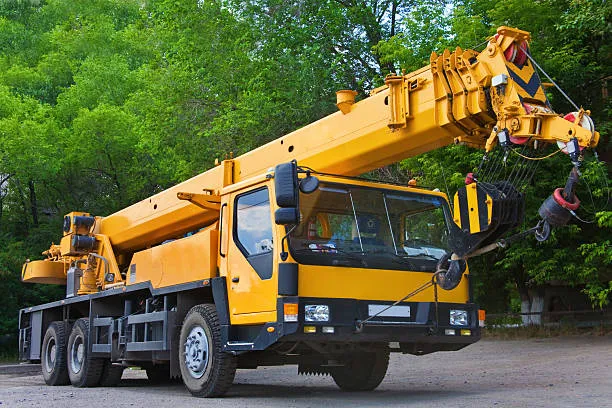
Infrastructure development increasingly depends on flexible equipment solutions that can adapt to diverse construction environments. From high-rise commercial buildings and industrial facilities to renewable energy projects and transportation networks, cranes play a critical role in lifting heavy materials safely and efficiently. Renting cranes has become a practical approach for contractors seeking access to specialized equipment without the financial commitment of ownership.
The Crane Rental Market continues to evolve as infrastructure investment, urbanization, and industrial expansion create sustained demand for lifting solutions. According to the latest industry analysis, the market was valued at around USD 52.12 billion in 2025 and is projected to reach nearly USD 77.3 billion by 2032, growing at a CAGR of approximately 5.09% during 2026–2032. This growth reflects the increasing preference for heavy lifting equipment rental solutions across multiple industries.
Rather than investing significant capital in purchasing cranes that may only be used periodically, many contractors and project developers are choosing rental services that offer operational flexibility, access to modern equipment, and professional maintenance. This approach enables companies to optimize project costs while ensuring that specialized lifting requirements are met efficiently.
Growing Infrastructure Investments Drive Equipment Demand
Governments worldwide continue to invest heavily in transportation corridors, smart cities, airports, ports, power generation facilities, and industrial parks. These large-scale developments require various crane types capable of handling complex lifting operations throughout different construction phases.
As projects become larger and more technically demanding, contractors increasingly rely on rental providers that maintain diverse fleets of mobile cranes, crawler cranes, tower cranes, and rough terrain cranes. This flexibility allows project managers to select equipment that precisely matches site conditions while minimizing idle machinery and maintenance responsibilities. According to the International Energy Agency (IEA), global energy infrastructure investments continue to support large-scale industrial and renewable projects requiring advanced lifting equipment.
Rental Models Improve Cost Efficiency
Owning heavy construction equipment involves substantial expenses beyond the initial purchase price. Storage, maintenance, operator training, inspections, transportation, insurance, and depreciation all contribute to the total cost of ownership.
Rental services eliminate many of these operational challenges by providing equipment that is regularly maintained, certified, and ready for deployment. Businesses can allocate capital toward core operations while accessing advanced lifting technology only when needed. This financial flexibility has become particularly valuable for contractors managing multiple projects with varying equipment requirements.
Technology Is Enhancing Crane Operations
Digital technologies are transforming equipment rental services through fleet management platforms, GPS tracking, telematics, predictive maintenance, and remote monitoring systems. These innovations enable rental providers to improve equipment utilization while helping customers monitor machine performance and operational efficiency.
Modern cranes increasingly incorporate automation features, load monitoring systems, collision avoidance technologies, and real-time diagnostics that improve workplace safety and reduce operational downtime. Equipment providers continue investing in technologically advanced fleets to meet evolving customer expectations and regulatory requirements. The International Labour Organization highlights that improved safety technologies contribute significantly to reducing workplace risks across construction activities.
Renewable Energy Projects Create New Opportunities
The rapid expansion of renewable energy infrastructure has created additional demand for specialized lifting equipment. Wind turbine installation, solar power facilities, hydroelectric projects, and grid modernization initiatives require cranes capable of handling oversized and heavy components with exceptional precision.
These projects often operate in challenging environments where specialized crawler cranes and high-capacity mobile cranes become essential. As renewable energy investments expand globally, equipment rental companies are broadening their fleets to support increasingly complex installation requirements.
Regional Development Continues to Influence Market Growth
Construction activity varies significantly across regions depending on economic development, industrialization, government spending, and urban expansion. Emerging economies continue investing in transportation infrastructure, manufacturing facilities, residential developments, and commercial construction, creating sustained demand for lifting equipment.
Meanwhile, mature markets are increasingly focused on modernization projects, facility upgrades, renewable energy installations, and replacement of aging infrastructure. These diverse construction activities ensure continued opportunities for rental providers serving both established and developing economies.
Future Outlook
The evolution of global construction, industrial manufacturing, logistics, mining, and energy sectors will continue supporting demand for professional crane rental services. Companies increasingly recognize the operational advantages of accessing modern equipment without assuming the long-term financial and maintenance responsibilities associated with ownership.
As digital technologies, sustainability initiatives, and infrastructure investments continue shaping the construction industry, equipment rental providers are expected to strengthen their service offerings through advanced fleet management, improved safety features, and specialized lifting capabilities. These developments position crane rental services as an important component of modern infrastructure development while supporting greater project efficiency and operational flexibility.

 English
 Arabic
 French
 Spanish
 Portuguese
 Deutsch
 Dutch
 Italiano
 Russian
 Romaian
 Portuguese (Brazil)
 Greek
