
Hair Transplant Recovery Timeline: Day-by-Day Guide
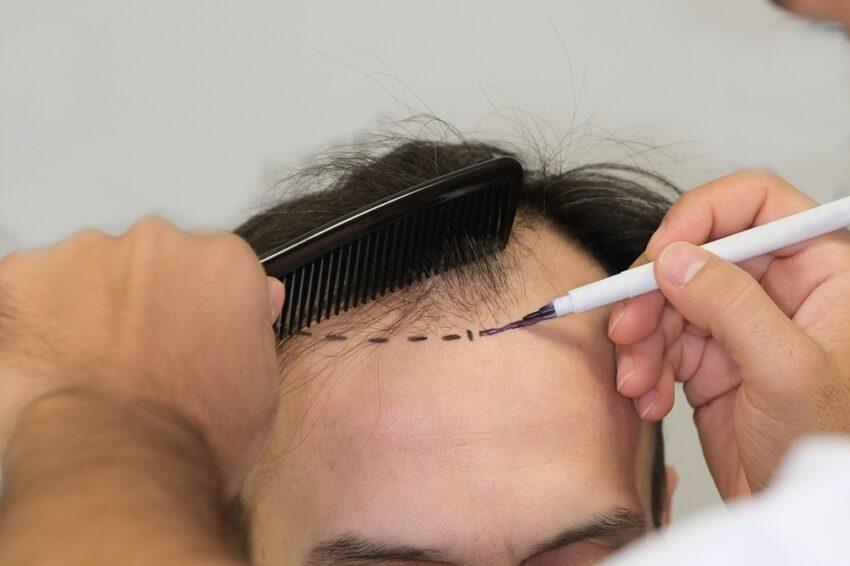
A hair transplant in Islamabad is a highly effective solution for permanent hair restoration. However, achieving successful results depends not only on the procedure itself but also on the recovery process.
Understanding the hair transplant recovery timeline day by day helps patients manage expectations, reduce anxiety, and ensure proper healing. This guide explains what happens after surgery from day one until full hair growth.
Day-by-Day Hair Transplant Recovery Timeline
Day 1: Immediate Post-Procedure Phase
The first day after surgery is crucial.
What Happens:
- Mild swelling in forehead or scalp
- Redness in treated areas
- Tiny scabs around implanted grafts
- Tightness or mild discomfort
Care Instructions:
- Avoid touching the scalp
- Keep head elevated while resting
- Take prescribed medications
The newly implanted grafts are still delicate and require protection.
Day 2–3: Early Healing Stage
Swelling may slightly increase before gradually reducing.
What Happens:
- Redness remains visible
- Donor area may feel sore
- Scab formation begins
Care Instructions:
- Avoid washing hair unless instructed
- Do not scratch or rub scalp
- Continue medications
This stage is normal and temporary.
Day 4–7: Scab Formation Phase
Scabs start becoming more noticeable as healing progresses.
What Happens:
- Small crusts around grafts
- Reduced pain or discomfort
- Donor area begins healing
Care Instructions:
- Gentle washing may be allowed (as per surgeon guidance)
- Avoid sun exposure
- No heavy physical activity
This is a sensitive stage where grafts begin to stabilize.
Week 2: Early Recovery Phase
By the second week, visible healing improves significantly.
What Happens:
- Scabs start falling off naturally
- Redness decreases
- Scalp looks cleaner
Care Instructions:
- Continue mild hair washing
- Avoid chemical products
- Resume light daily activities
Most patients feel more comfortable at this stage.
Week 3–4: Shedding Phase (Shock Loss)
This stage is often misunderstood but completely normal.
What Happens:
- Transplanted hair may shed
- Follicles remain under the skin
- No visible growth yet
Important Note:
This shedding does not mean failure—it is part of the natural hair growth cycle.
Month 2: Dormant Phase
Hair follicles remain inactive temporarily.
What Happens:
- Minimal visible hair growth
- Scalp appears similar to pre-surgery stage
- Healing is complete internally
Care Instructions:
- Maintain healthy diet
- Avoid stress and smoking
- Follow surgeon advice
Patience is essential during this stage.
Month 3–4: Early Hair Growth Begins
New hair starts emerging gradually.
What Happens:
- Fine, thin hair appears
- Uneven growth pattern
- Texture may look soft
Progress:
This marks the beginning of visible improvement.
Month 5–6: Noticeable Improvement Stage
Hair becomes more visible and stronger.
What Happens:
- Increased density
- Thicker hair strands
- Better scalp coverage
Results start becoming more satisfying at this stage.
Month 7–9: Advanced Growth Phase
Significant transformation occurs.
What Happens:
- Natural hairline becomes visible
- Improved thickness and volume
- Hair blends with existing hair
Most patients feel confident about their appearance.
Month 10–12: Final Results Stage
This is the final stage of recovery.
What Happens:
- Full hair growth achieved
- Natural density restored
- Stable and permanent results
At this point, the hair behaves like normal hair and can be cut, styled, and washed freely.
Key Factors Affecting Recovery
Several factors influence how smoothly recovery progresses:
- Surgeon expertise
- Technique used (FUE, FUT, DHI)
- Patient aftercare compliance
- Overall health condition
- Lifestyle habits
Proper care significantly improves final outcomes.
Aftercare Tips for Faster Recovery
To ensure optimal healing:
- Follow all medical instructions
- Avoid smoking and alcohol
- Sleep with head elevated initially
- Do not scratch or rub scalp
- Stay hydrated and eat balanced meals
Good aftercare improves graft survival and hair quality.
Possible Side Effects (Temporary)
Most side effects are mild and temporary:
- Swelling
- Itching
- Redness
- Shock loss (shedding phase)
These typically resolve naturally within weeks.
FAQs
1. Is shedding after hair transplant normal?
Yes, temporary shedding is a normal phase and part of the hair growth cycle.
2. When can I wash my hair after surgery?
Usually after a few days, depending on the surgeon’s instructions.
3. When will I see full results?
Full results typically appear within 9 to 12 months.
4. Can I return to work quickly?
Most patients resume light work within a few days to a week.
5. Is recovery painful?
Discomfort is usually mild and manageable with prescribed medication.
Conclusion
The hair transplant recovery timeline in Islamabad follows a predictable and gradual process from day one healing to full hair growth within a year. Understanding each stage helps patients stay informed, reduce stress, and achieve the best possible results. Proper aftercare and patience are key to long-lasting, natural outcomes.

 Arabic
 French
 Spanish
 Portuguese
 Deutsch
 Turkish
 Dutch
Dutch
 Italiano
 Russian
 Romaian
 Portuguese (Brazil)
 Greek
Greek
