
Semi Tow Truck: What Happens When a Semi-Truck Breaks Down on the Highway
A semi-truck breaking down on the highway is a situation no driver wants to face. One moment, everything is running normally. The next, the engine loses power, a warning light appears, or a mechanical problem makes it impossible to continue.
For a passenger car, getting roadside help can be relatively straightforward. A semi-truck is another matter. Its size, weight, trailer, and cargo all have to be considered before it can be moved safely.
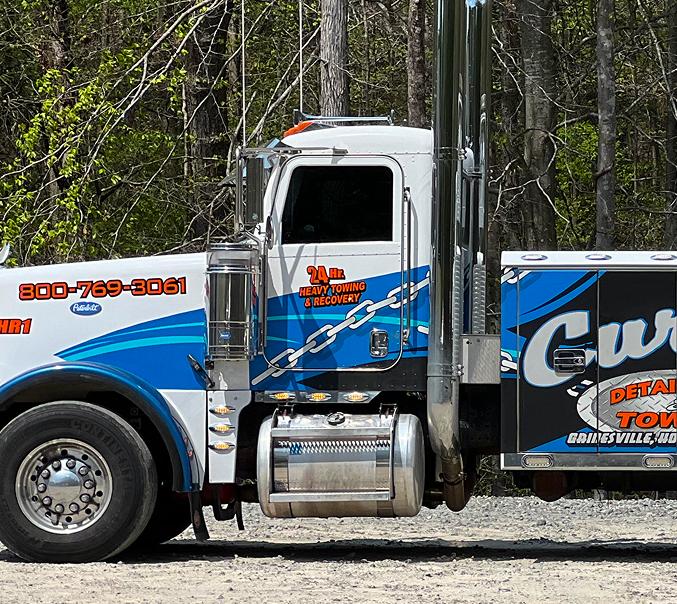
This is where a Semi Tow Truck becomes important. Specialized towing equipment is designed to handle large commercial vehicles and can help move a disabled semi-truck away from the roadside and toward a repair facility or another suitable destination.
The First Few Minutes Matter
When a semi-truck develops a serious problem, the driver's first concern should be safety.
If possible, the driver should move the truck to a safe location away from active traffic. Hazard lights should be used, and appropriate warning equipment can alert approaching motorists.
However, not every disabled truck should be moved. A problem involving the brakes, steering, wheels, or major collision damage may make driving unsafe.
If the truck cannot be moved safely, the driver should remain in a secure location and contact the appropriate roadside assistance provider.
The goal is simple: protect the driver, other motorists, and the vehicle while waiting for professional help.
Why a Regular Tow Truck May Not Be Suitable
A semi-truck and trailer can weigh many thousands of pounds, particularly when carrying a full load. That amount of weight requires towing equipment designed specifically for heavy commercial vehicles.
A standard tow truck may not have the towing capacity, lifting equipment, or recovery tools required for a large tractor-trailer.
A Semi Tow Truck is built to handle these heavier vehicles. Depending on the circumstances, the towing setup may include powerful winches, heavy-duty connections, lifting systems, and other specialized equipment.
The type of equipment used depends on the truck's size, weight, condition, and location.
Common Reasons a Semi-Truck Needs Towing
There are many reasons a semi-truck may need professional towing.
Engine failure is one of the most obvious. If the engine stops working and cannot be restarted, the truck may have no practical way to continue its route.
Transmission problems can also leave a semi-truck unable to operate normally. Brake and steering issues can be even more serious because they may affect the driver's ability to control the vehicle.
Tire problems are another common roadside concern. A damaged tire may sometimes be repaired where the truck stopped, but certain situations require the entire vehicle to be moved.
Overheating, electrical failures, suspension problems, and accident damage can also result in a truck that needs towing.
What Information Should You Give the Towing Company?
When calling for assistance, the driver should provide as much useful information as possible.
Start with the exact location. A highway number, exit, mile marker, street name, or nearby landmark can help the towing operator locate the truck.
Then provide details about the vehicle.
Tell the towing company that it is a semi-truck and mention whether a trailer is attached. If the trailer is loaded, provide that information as well.
The driver should also describe the problem. There is no need to provide a professional mechanical diagnosis. Simply explain what happened.
For example, you might report that the engine stopped running, the truck has a damaged tire, the vehicle overheated, or the semi was involved in an accident.
Clear information helps the towing provider prepare for the situation.
What Happens When the Tow Truck Arrives?
Once the towing operator reaches the scene, the truck and surrounding area can be assessed before recovery begins.
The operator may consider the vehicle's position, traffic conditions, road surface, visible damage, wheel condition, trailer configuration, and cargo.
These details can affect how the semi-truck should be moved.
Depending on the situation, the recovery may involve winching, lifting, securing, or transporting the truck with heavy-duty equipment.
A truck with mechanical trouble may require a different approach from a vehicle damaged in a collision.
Towing a Loaded Semi-Truck
Cargo can make a towing situation more demanding.
A loaded trailer adds considerable weight to the truck combination. The type and position of the cargo may also matter during recovery.
Drivers should mention whether the trailer is loaded when requesting a Semi Tow Truck.
If cargo has shifted because of an accident or another incident, that information should also be shared with the towing provider.
The towing operator can then consider the available information when planning the recovery.
Semi-Truck Accident Recovery
A collision can leave a semi-truck in a difficult position.
The vehicle might be blocking a lane, sitting partly on the shoulder, or positioned at an unusual angle. Damage to wheels, axles, suspension components, or other parts can make movement more complicated.
A professional towing operator can inspect the truck before beginning recovery.
Depending on the condition of the vehicle, specialized equipment may be used to winch, lift, secure, or transport it.
Drivers should avoid attempting to move a badly damaged semi-truck without suitable equipment. Improvised recovery methods can create additional problems.
Getting the Truck to a Repair Facility
Once the semi-truck has been recovered, it usually needs to be taken somewhere for further attention.
The destination may be a truck repair shop, fleet yard, dealership, or another location selected by the owner or fleet manager.
Drivers should have access to the appropriate contact information so they can communicate the preferred destination.
For fleet operators, this is also the point where other arrangements may need to be made. A replacement truck might be assigned, or the delivery schedule may need to be adjusted.
Prepare Before the Breakdown Happens
A roadside emergency is much easier to handle when the basic plan is already in place.
Fleet managers should keep the contact information of a reliable heavy-duty towing provider readily available. Drivers should know who to call and what information they need to provide.
It can also help to keep truck identification details, trailer information, fleet contacts, and preferred repair locations accessible.
Taking a few minutes to prepare this information before a trip can save time when a truck unexpectedly becomes disabled.
Choose a Towing Provider You Can Rely On
Semi-trucks require towing equipment suited to their size and weight. Before an emergency happens, businesses and independent drivers should consider whether their towing provider regularly handles large commercial vehicles.
When a semi-truck cannot safely continue its journey, a Semi Tow Truck can provide the equipment and towing capacity needed to move the vehicle toward a repair facility or another appropriate destination. Having a dependable towing contact ready can make an unexpected highway breakdown far easier to manage.

 English
 Arabic
 French
 Spanish
 Portuguese
 Deutsch
 Turkish
 Dutch
Dutch
 Italiano
 Russian
 Romaian
 Portuguese (Brazil)
