
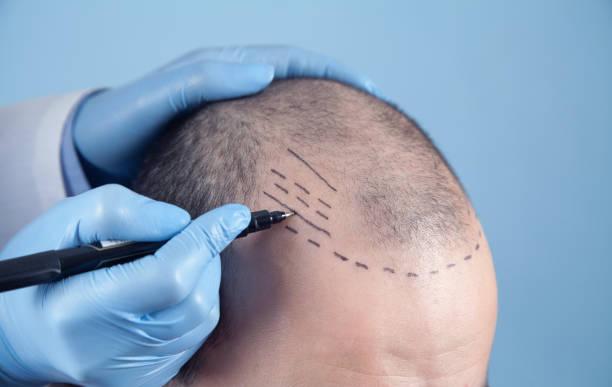
For individuals considering a Hair Transplant in Riyadh, understanding the role of medication in supporting and maintaining results is essential. Minoxidil, an over-the-counter topical treatment for hair loss, is often used in conjunction with hair transplantation to enhance and prolong outcomes. Hair Transplant in Riyadh explores the combined use of minoxidil and hair transplantation, including its benefits, considerations, and what patients should expect.
What Is Minoxidil?
How Minoxidil Works
Minoxidil is a topical medication that is applied directly to the scalp. It works by stimulating hair follicles, prolonging the growth phase of the hair cycle, and increasing blood flow to the scalp. It is available in both 2% and 5% formulations.
Indications for Use
Minoxidil is FDA-approved for the treatment of male and female pattern hair loss (androgenetic alopecia) and is typically used for mild to moderate hair loss.
The Role of Minoxidil in Hair Transplantation
Enhancing Transplant Results
Minoxidil can improve the growth and density of transplanted hair by stimulating the follicles and increasing blood flow to the scalp. This can lead to a fuller, more natural-looking result.
Protecting Non-Transplanted Hair
By promoting hair growth and slowing the progression of hair loss, minoxidil helps maintain the overall density and natural appearance of the hair.
Timing of Use
Minoxidil is often started before the transplant to prepare the scalp and improve the health of the hair follicles. It is typically continued after the procedure to maintain the results.
Considerations for Combined Use
Effectiveness
Minoxidil is most effective in individuals with mild to moderate hair loss. It may take several months to see noticeable results.
Side Effects
Common side effects of minoxidil include scalp irritation, itching, and redness. These side effects are generally mild and manageable.
Long-Term Use
Minoxidil is typically taken long-term to maintain its effects. If the medication is stopped, hair loss may resume.
Consultation with a Surgeon
Before starting minoxidil, it is important to consult with your surgeon. They will assess your hair loss pattern, goals, and any potential risks.
Key Takeaways for Patients
-
Minoxidil can be a valuable addition to a hair transplant, helping to enhance growth and protect non-transplanted hair.
-
It is most effective when started before the transplant and continued long-term.
-
Side effects are possible but are generally mild and manageable.
-
A consultation with a qualified surgeon is essential to determine if minoxidil is right for you.
The Bottom Line
Combining minoxidil with a hair transplant can be a powerful strategy for achieving and maintaining natural-looking results. By understanding the benefits and considerations, you can make an informed decision about your hair restoration journey.
For those considering a Hair Transplant in Riyadh, discussing minoxidil with your surgeon is an important step in planning for long-term success.
For those seeking expert guidance and customized aesthetic care, you can book an appointment consultation at the Enfield Royal Clinic.
Frequently Asked Questions
Can minoxidil help with hair transplant results?
Yes, minoxidil can enhance the growth and density of transplanted hair and protect non-transplanted hair.
When should I start using minoxidil?
Minoxidil is often started before the transplant to prepare the scalp and improve hair follicle health.
Are there side effects of minoxidil?
Common side effects include scalp irritation, itching, and redness, which are generally mild and manageable.
How long do I need to use minoxidil?
Minoxidil is typically used long-term to maintain its effects and protect against further hair loss.
Is minoxidil suitable for both men and women?
Yes, minoxidil is FDA-approved for both male and female pattern hair loss. Discuss its use with your surgeon.

 English
 Arabic
 French
 Spanish
 Portuguese
 Turkish
 Dutch
Dutch
 Italiano
 Russian
 Romaian
 Portuguese (Brazil)
 Greek
Greek
