
Evaluating Geographic Expansion and the Agriculture Robots Market Region Impact
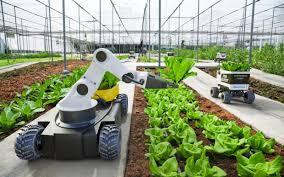
The geographic footprint of the Agriculture Robots Market is expanding as emerging economies begin to recognize the potential of automation to boost food self-sufficiency. While the initial wave of adoption was concentrated in high-income nations, we are now seeing significant interest from countries in Latin America and Southeast Asia. These regions are leveraging robotics to improve the efficiency of export-oriented crops like palm oil, coffee, and sugar cane. The challenge in these areas often lies in the lack of existing technical infrastructure, such as high-speed internet and reliable power grids. However, manufacturers are responding by creating "ruggedized" robots that can operate in humid, tropical environments and use solar power to recharge. This democratization of technology is crucial for ensuring that the benefits of precision agriculture are felt globally, rather than being restricted to the wealthiest nations.
The Agriculture Robots Market region analysis suggests that government policies are a major factor in how quickly these technologies take root. In the European Union, strict regulations on chemical use are driving farmers toward robotic weeding solutions. In the United States, federal grants for rural broadband are making it easier for farmers to implement data-heavy robotic systems. As these regional markets mature, we are seeing the rise of local manufacturing hubs that can produce robots tailored to the specific soil types and crop varieties of the area. This local expertise is vital for providing the necessary maintenance and support services that farmers require. The long-term success of the industry will likely depend on its ability to create a global supply chain that is resilient enough to handle local variations while maintaining high standards of technological excellence.
What challenges do agricultural robots face in tropical regions? High humidity, heavy rainfall, and dense vegetation can interfere with electronic sensors and mechanical components, requiring specialized "rugged" designs.
Do governments provide subsidies for purchasing agricultural robots? Yes, many countries offer subsidies or tax incentives to encourage the adoption of smart farming technologies as part of their national food security strategies.
➤➤➤Explore MRFR’s Related Ongoing Coverage In Semiconductor Industry:
Predictive Emission Monitoring System Market
Magnetoresistance Sensor Market

 English
 Arabic
 French
 Spanish
 Portuguese
 Deutsch
 Turkish
 Dutch
Dutch
 Russian
 Romaian
 Portuguese (Brazil)
 Greek
Greek