
Teeth Cleaning: Why Plaque Removal Matters
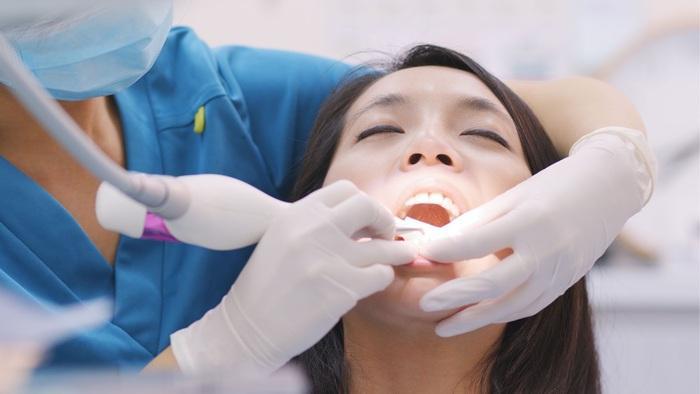
Plaque is one of the most common causes of dental problems, and it can build up even when you maintain a regular brushing routine. Teeth Cleaning helps remove plaque, tartar, and surface deposits that may remain on the teeth despite daily home care. In Dubai, regular professional cleaning can be an important part of preventive dental care and maintaining a healthier, cleaner smile.
Choosing professional dental care can also help you understand how plaque affects your individual oral health. Enfield Dental Clinic Dubai can evaluate your teeth and gums and provide suitable recommendations for professional cleaning and ongoing oral hygiene. Regular dental visits allow potential concerns to be identified before they become more difficult to manage.
What Is Dental Plaque?
Dental plaque is a soft, sticky film that forms naturally on teeth. It contains bacteria, food particles, and other substances found in the mouth.
Plaque begins developing again soon after the teeth are cleaned. This is why daily brushing and cleaning between the teeth are essential for maintaining oral hygiene.
When plaque remains on the teeth for an extended period, it can become harder and eventually mineralize into tartar.
Why Plaque Is Harmful
The bacteria in plaque can interact with sugars from foods and drinks and produce acids. These acids can weaken tooth enamel and contribute to tooth decay.
Plaque near the gumline can also irritate the gums. If it is not controlled, it may contribute to redness, swelling, bleeding, and other signs of gum inflammation.
Why Professional Plaque Removal Matters
Brushing and flossing are the foundation of good oral hygiene, but they may not remove every deposit. Certain areas around the gumline, between teeth, and behind back teeth can be difficult to clean effectively.
Professional dental cleaning allows a dentist or hygienist to access these areas using specialized instruments.
Removing hardened tartar is particularly important because ordinary brushing cannot effectively eliminate it once it has formed.
How Teeth Cleaning Removes Plaque and Tartar
A professional cleaning usually starts with an examination of the teeth and gums. The dental professional identifies areas containing plaque, tartar, or staining.
Scaling instruments are then used to remove hardened deposits from the tooth surfaces. Care is taken around the gumline to clean accumulated material without unnecessarily irritating the surrounding tissues.
After scaling, the teeth may be polished. Polishing can help remove certain surface stains and leave the teeth feeling smoother.
The result is a cleaner tooth surface that can be easier to maintain with regular home care.
Benefits of Effective Plaque Removal
Removing plaque regularly supports several aspects of oral health. One of the most important benefits is reducing the buildup that can contribute to tooth decay.
Plaque control also supports healthy gums. When bacterial deposits are reduced around the gumline, the gums have a better environment in which to remain healthy.
Professional cleaning may also help improve breath by reducing accumulated bacteria, food particles, and tartar that can contribute to unpleasant odors.
Supporting a Cleaner Smile
Plaque and surface stains can make teeth appear dull or less clean. Professional cleaning can remove many external deposits and certain surface stains.
Although cleaning is not the same as professional whitening, it can make teeth look cleaner by removing buildup that has accumulated over time.
What Happens If Plaque Is Not Removed?
Plaque that remains on the teeth can gradually harden into tartar. As tartar accumulates, it can create additional areas where plaque may remain.
This can make home cleaning more difficult and contribute to ongoing gum irritation.
Untreated plaque is also associated with tooth decay because bacteria in the plaque can produce acids that affect enamel.
For these reasons, controlling plaque is an important part of preventive dental care.
Teeth Cleaning and Gum Health
The gumline is particularly important when it comes to plaque removal. Buildup in this area can irritate the gums and cause symptoms such as redness or bleeding.
If you frequently notice blood when brushing or flossing, do not simply ignore it. While occasional bleeding can have different causes, persistent symptoms should be evaluated by a dentist.
Professional cleaning can remove deposits contributing to irritation, while a dental examination can determine whether additional treatment is needed.
How to Prevent Plaque Buildup at Home
Professional cleaning should complement—not replace—daily oral hygiene.
Brush your teeth twice a day with fluoride toothpaste and use gentle movements to clean all accessible surfaces. Pay attention to the gumline without applying excessive pressure.
Clean between your teeth every day using floss, interdental brushes, or another method recommended by your dentist.
Cleaning the tongue can also help reduce bacterial buildup and support fresher breath.
Watch Your Eating Habits
Frequent consumption of sugary foods and drinks can contribute to plaque-related tooth decay. Reducing how often you consume sugary snacks can help support better oral health.
Water is also a useful choice throughout the day because it can help rinse away food particles and maintain a healthier mouth.
How Often Is Professional Cleaning Needed?
The ideal frequency depends on your individual dental needs. Some people may benefit from routine cleaning twice a year, while others may require more frequent appointments.
Patients with significant tartar buildup, gum concerns, or certain dental conditions may need a personalized cleaning schedule.
Your dentist can assess your oral health and recommend how often you should return for professional care.
When Should You Schedule a Cleaning?
You should consider scheduling a dental cleaning if you have visible tartar, persistent plaque buildup, stained teeth, bad breath, or concerns about your gum health.
Regular preventive appointments are also useful even when your teeth feel healthy. Dental professionals can identify early changes that may not yet cause noticeable symptoms.
If you experience tooth pain, significant swelling, persistent bleeding, or loose teeth, a dental examination is especially important.
Final Thoughts
Plaque removal is a key part of maintaining strong teeth and healthy gums. Professional Teeth Cleaning helps remove plaque, tartar, and surface deposits that can be difficult to manage through home care alone. When combined with twice-daily brushing, daily interdental cleaning, a balanced diet, and regular dental examinations, professional cleaning can help protect your smile and support better long-term oral health.

 English
 Arabic
 French
 Spanish
 Portuguese
 Deutsch
 Turkish
 Dutch
Dutch
 Italiano
 Romaian
 Portuguese (Brazil)
 Greek
Greek
