
Tooth Extraction: A Simple Guide for Adults
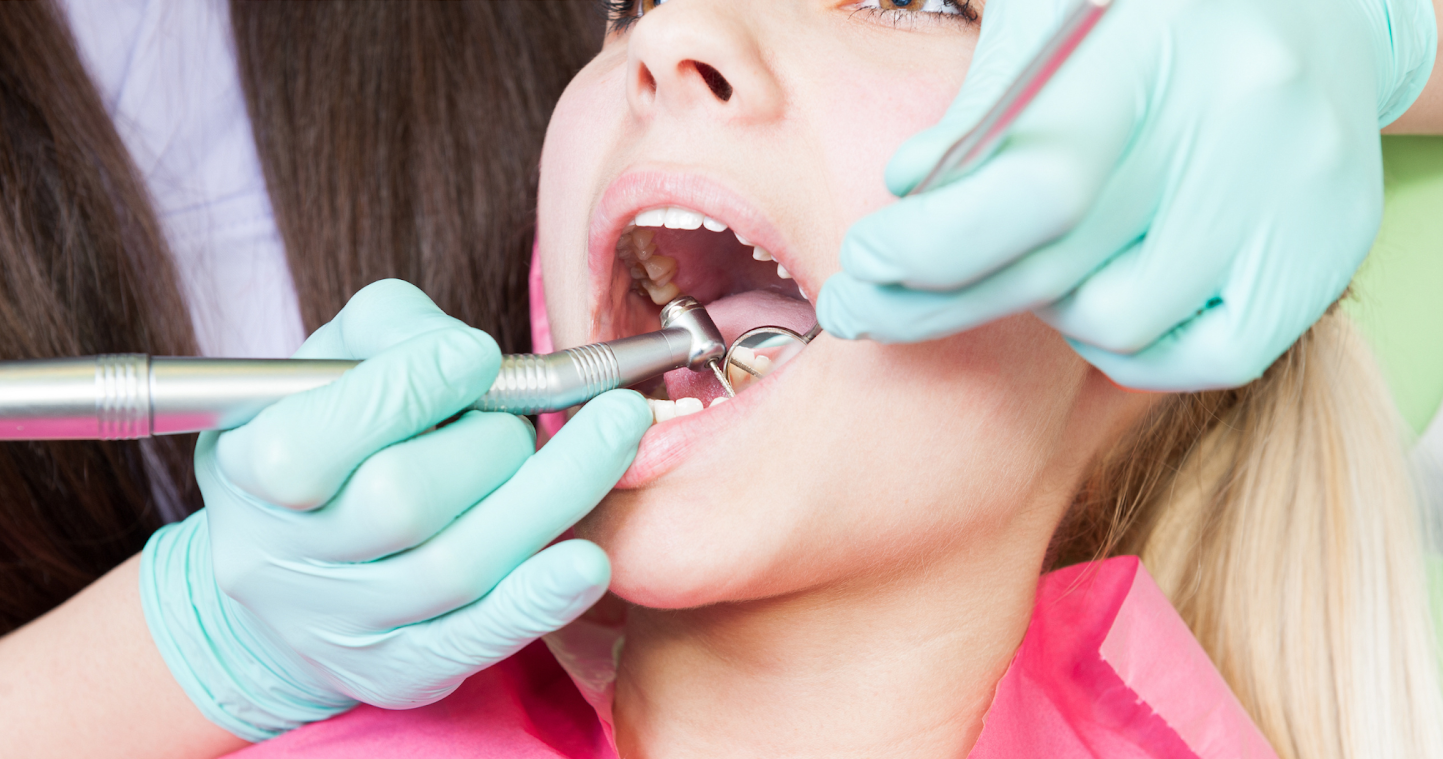
Tooth Extraction is a dental procedure used to remove a tooth when it cannot be safely preserved or when keeping it could cause problems for surrounding teeth and gums. Although dentists usually try to save natural teeth whenever possible, extraction can sometimes provide the safest solution for severe decay, infection, trauma, overcrowding, or impacted teeth. Understanding the process can help adults feel more prepared and less concerned about treatment.
Choosing professional dental care is important when considering tooth removal. Enfield Dental Clinic Dubai can assess the affected tooth, discuss available treatment options, and explain what patients can expect before and after the procedure. A detailed examination helps determine whether the tooth should be removed or whether restorative treatment could preserve it.
Why Might an Adult Need Tooth Extraction?
There are several reasons why a dentist may recommend removing a tooth. One of the most common is extensive decay that has destroyed too much of the tooth to support a filling or crown.
In other cases, a severe infection may have damaged the tooth beyond predictable repair. A badly fractured tooth, advanced gum disease, or an impacted wisdom tooth can also make extraction appropriate.
The decision should always be based on a professional examination rather than symptoms alone.
Severe Tooth Decay
When tooth decay is detected early, it can often be treated with a filling. More advanced decay may require a crown or root canal treatment.
If decay has destroyed most of the tooth and there is not enough healthy structure remaining, extraction may become necessary. Early dental treatment can therefore help reduce the risk of eventually losing the tooth.
Dental Infection
An infected tooth can cause persistent pain, sensitivity, swelling, or an unpleasant taste in the mouth. Depending on the condition, root canal therapy may be able to remove the infection while preserving the natural tooth.
If the tooth is severely damaged and cannot be restored, removal may be considered. Treating dental infections promptly is important because untreated infection can affect surrounding tissues.
Wisdom Teeth and Tooth Removal
Wisdom teeth commonly cause problems when there is insufficient space for them to develop normally. They may remain partially or completely beneath the gum or grow at an unusual angle.
Impacted wisdom teeth can contribute to recurring inflammation, food trapping, infection, discomfort, or damage to neighboring teeth.
Not every wisdom tooth needs extraction. A dentist can use an examination and dental imaging to determine whether removal is appropriate.
Tooth Extraction After Dental Trauma
Adults can experience tooth damage from accidents, sports injuries, falls, or other forms of trauma. A tooth may become cracked, fractured, or severely weakened.
Some damaged teeth can be restored with dental bonding, crowns, or root canal treatment. However, if the fracture extends into an area that cannot be repaired successfully, extraction may be the most appropriate option.
What Happens Before the Procedure?
Before extraction, your dentist will examine the tooth and surrounding tissues. Dental X-rays may be used to evaluate the roots, bone, infection, and position of nearby structures.
Your dentist may also ask about your medical and dental history and any medications you take. Providing accurate information is important because certain health factors and medications can influence treatment planning.
This appointment is also a good opportunity to ask questions about the procedure, recovery, and possible replacement options.
What Happens During Tooth Extraction?
The extraction technique depends on the tooth's condition. For a simple extraction, the dentist normally uses local anesthesia to numb the area before carefully loosening and removing the tooth.
A surgical extraction may be required when a tooth is impacted, broken near the gum line, or difficult to access. In these cases, the dentist may need to use additional techniques to safely remove it.
You should follow the dental team's instructions throughout the procedure and immediately afterward.
Is Tooth Extraction Painful?
Local anesthesia is used to minimize discomfort during most extractions. You may feel pressure or movement while the dentist works, but sharp pain should be addressed immediately.
After the anesthetic wears off, some soreness or swelling can occur. Your dentist can recommend appropriate measures for managing discomfort based on your individual circumstances.
If pain becomes severe or continues getting worse instead of improving, contact your dental provider.
Recovery After Extraction
The body begins healing as soon as the tooth is removed. A blood clot forms inside the extraction socket and helps protect the underlying tissues.
During the initial recovery period, avoid disturbing the area. Your dentist may provide instructions about eating, brushing, rinsing, exercise, and tobacco use.
Soft foods can be more comfortable during the first few days. As healing progresses, you can gradually return to your normal diet according to professional advice.
Maintaining Oral Hygiene
Good oral hygiene remains important after extraction, but the treated area should be handled gently.
Continue brushing your other teeth carefully and follow your dentist's instructions regarding the extraction site. Avoid aggressive brushing or rinsing that could interfere with the healing process.
Keeping the rest of your mouth clean can help support healthy gums and remaining teeth.
Possible Complications
Most extractions heal without serious problems, but complications can occasionally occur. Dry socket is one possibility and may cause significant pain several days after the procedure.
Other symptoms requiring professional attention can include persistent heavy bleeding, increasing swelling, fever, pus, severe pain, or difficulty swallowing or breathing.
If anything seems unusual during recovery, contacting your dentist is the safest approach.
Replacing a Missing Tooth
After the extraction site has healed, your dentist may discuss replacing the missing tooth. Depending on its location and your oral health, options may include a dental implant, bridge, or removable dental appliance.
Replacing certain missing teeth can help restore chewing function and support the overall balance of your bite.
Preventing Future Tooth Loss
Adults can protect their remaining teeth through consistent oral care. Brushing twice daily with fluoride toothpaste, cleaning between teeth, limiting excessive sugar, and attending regular dental examinations can help prevent serious dental problems.
Treating cavities, gum disease, and damaged teeth early may also increase the chances of preserving natural teeth.
Final Thoughts
Tooth Extraction can sound intimidating, but understanding the reason for removal, the treatment process, and the recovery requirements can make the experience much easier to manage. Adults should always receive a professional dental assessment before deciding on extraction because alternatives may sometimes preserve the natural tooth. With appropriate treatment and aftercare, patients can recover effectively and take steps toward maintaining healthier teeth and gums.

 English
 Arabic
 French
 Spanish
 Portuguese
 Deutsch
 Turkish
 Dutch
Dutch
 Italiano
 Russian
 Portuguese (Brazil)
 Greek
Greek
