
Dental Braces: What Makes Them Worth Considering
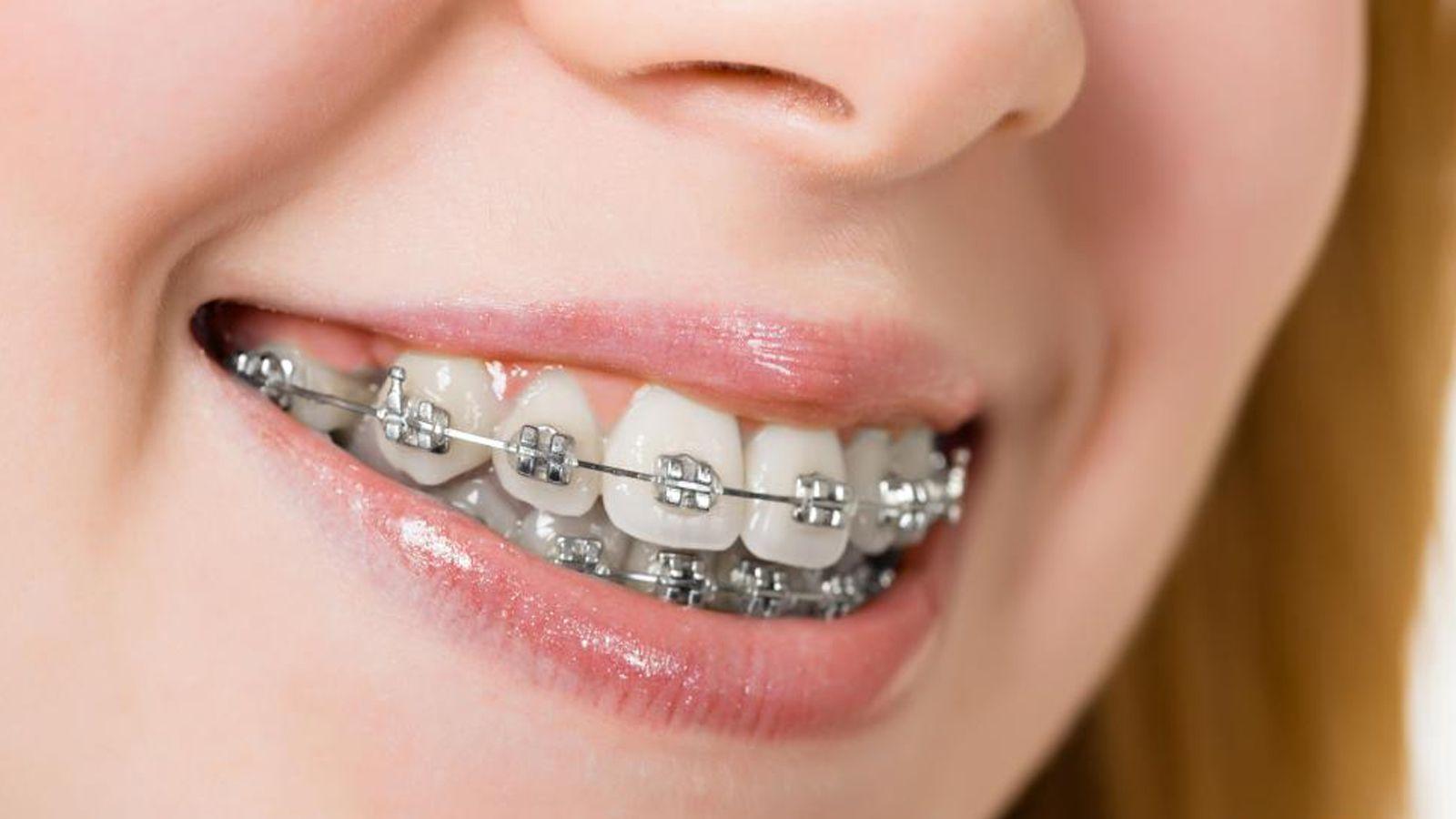
Dental Braces can be an effective orthodontic option for people dealing with crooked, crowded, or improperly aligned teeth. Although many patients consider braces because they want a straighter smile, orthodontic treatment can also address certain bite concerns and make everyday oral care easier. Understanding the potential benefits can help you decide whether a professional orthodontic evaluation is worthwhile.
Getting expert guidance is an important part of the process. Enfield Dental Clinic Dubai can help patients understand their orthodontic concerns and discuss suitable treatment options following a detailed dental examination. Since every smile is different, an orthodontic plan should be based on individual tooth alignment, bite, oral health, and treatment goals.
Why Consider Dental Braces?
There are several reasons people consider orthodontic treatment. Crooked or crowded teeth may affect the appearance of a smile, while certain alignment problems can make brushing and flossing more difficult.
Braces can gradually guide teeth toward improved positions. Depending on the patient's condition, treatment may also help create a more balanced relationship between the upper and lower teeth.
An orthodontist can determine whether the potential benefits of treatment apply to your specific situation.
Improving Crooked Teeth
Crooked teeth are among the most common reasons people seek orthodontic care. Teeth may overlap, rotate, or sit at unusual angles because of limited space or other developmental factors.
Braces apply controlled pressure over time to gradually move teeth. The orthodontist carefully monitors this movement and makes adjustments throughout the treatment process.
The result can be a more organized tooth alignment that is easier to maintain with appropriate oral hygiene.
Addressing Crowded Teeth
Crowding occurs when there is not enough room for all the teeth to fit comfortably within the dental arch. This can cause teeth to overlap or become rotated.
Crowded areas can sometimes be difficult to clean thoroughly. Depending on the severity of the problem, orthodontic treatment may help improve the positioning of the teeth.
Treatment planning is individualized because the amount and type of movement required can vary significantly between patients.
Improving Certain Bite Problems
Braces can also be used as part of treatment for certain bite concerns. These may include overbite, underbite, crossbite, or open bite.
A balanced bite allows the upper and lower teeth to interact more appropriately during normal activities such as chewing. Orthodontic treatment may help improve tooth positioning and the relationship between the dental arches when clinically appropriate.
However, complex jaw-related problems may require additional assessment or treatment beyond braces alone.
Making Oral Hygiene Easier
Properly aligned teeth can sometimes be easier to brush and floss than severely crowded or overlapping teeth. During orthodontic treatment, however, maintaining oral hygiene requires extra attention because brackets and wires can create additional areas where plaque accumulates.
Patients should brush carefully around orthodontic components and clean between the teeth using an appropriate method recommended by their dental professional.
Good oral hygiene throughout treatment helps protect the teeth and gums.
Different Treatment Options
Modern orthodontics provides several options. Traditional metal braces remain a widely used choice and can address many alignment concerns.
Ceramic braces use tooth-colored or clear brackets for a more discreet appearance. Lingual braces are positioned behind the teeth, while clear aligners use removable transparent trays.
The most suitable option depends on the patient's dental condition, treatment goals, lifestyle, and professional recommendation.
Are Braces Only for Teenagers?
No. Adults can also benefit from orthodontic treatment. Many adults choose braces or clear aligners to address long-standing alignment concerns or changes that have developed over time.
Before treatment, adults should have their teeth and gums professionally evaluated. Existing restorations, gum health, and other dental conditions may influence which treatment option is appropriate.
What Is the Treatment Process Like?
Treatment generally begins with a comprehensive orthodontic examination. The professional evaluates the teeth, gums, bite, and jaw relationship.
Depending on the case, dental X-rays, photographs, digital scans, or impressions may be used to develop a treatment plan.
Once the braces are placed, regular appointments are scheduled to monitor tooth movement and make necessary adjustments. Patients may experience temporary tenderness after placement or adjustments as their teeth respond to orthodontic pressure.
How Long Does Treatment Take?
The duration of orthodontic treatment differs from one patient to another. Mild alignment problems may require less time, while complicated cases involving significant crowding or bite correction can take longer.
Factors such as the severity of the problem, treatment method, tooth movement required, age, and patient cooperation can influence the timeline.
Your orthodontist can provide a more individualized estimate after completing an examination and treatment plan.
Are Dental Braces Comfortable?
Patients may experience some temporary discomfort when braces are first placed or after an adjustment. The teeth can feel tender as they respond to the controlled pressure.
Most people gradually become accustomed to the appliance. Eating softer foods for a short period may make the adjustment stage easier.
If discomfort is severe, persistent, or unusual, patients should contact their orthodontic provider for professional advice.
Caring for Braces
Taking care of braces properly is important for maintaining oral health and avoiding unnecessary appliance problems.
Patients should brush thoroughly, clean between their teeth, attend scheduled appointments, and follow dietary recommendations. Hard, sticky, or chewy foods may damage brackets and wires and should generally be avoided when advised by the orthodontist.
Any loose bracket or broken wire should be reported to the dental professional rather than repaired independently.
What Happens After Treatment?
Completing active orthodontic treatment is an important milestone, but maintaining the new alignment is equally important.
Retainers are commonly used after braces to help keep teeth in their corrected positions. Teeth can naturally shift over time, so following the orthodontist's instructions regarding retainer use is essential.
Long-term retention can help preserve the results achieved through orthodontic treatment.
Are Braces Worth Considering?
Whether braces are worthwhile depends on your individual dental needs. For someone with significant crowding, crooked teeth, spacing, or certain bite problems, orthodontic treatment may provide both functional and aesthetic benefits.
The decision should be based on professional assessment rather than appearance alone. An orthodontist can explain the potential benefits, limitations, treatment duration, and available options.
Final Thoughts
Dental Braces are worth considering when orthodontic treatment can address specific alignment or bite concerns and support better oral function. From correcting crooked and crowded teeth to improving certain bite problems, braces can provide meaningful long-term benefits when properly planned. A professional evaluation, consistent oral hygiene, regular appointments, and appropriate retention can all contribute to successful orthodontic results.

 English
 Arabic
 French
 Spanish
 Portuguese
 Deutsch
 Dutch
Dutch
 Italiano
 Russian
 Romaian
 Portuguese (Brazil)
 Greek
Greek
