
Tooth Extraction: Is the Procedure Painful?
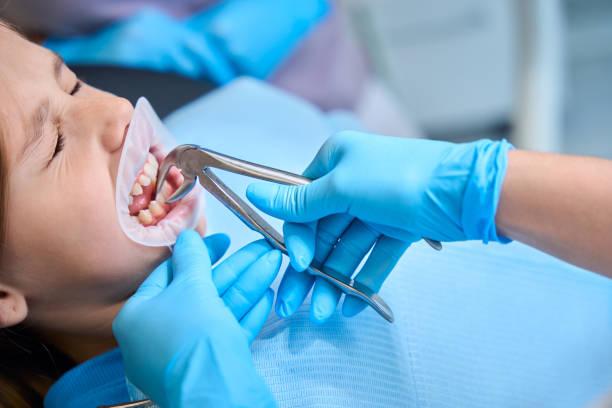
Many patients worry about pain before having a tooth removed. Tooth Extraction in Dubai is generally performed with appropriate local anesthesia to numb the treatment area and reduce discomfort during the procedure. While patients may feel pressure or movement, sharp pain should be minimized when the area is properly numbed.
The level of discomfort after extraction can vary depending on the condition of the tooth, the complexity of the procedure, and individual healing. Understanding what happens before, during, and after extraction can help reduce anxiety and prepare you for recovery.
Why Might a Tooth Need Extraction?
A dentist may recommend extraction when a tooth is severely damaged, extensively decayed, infected, impacted, or too weak to restore successfully. Advanced gum disease can also make a tooth excessively loose and difficult to preserve.
Before recommending removal, your dentist will usually consider whether another treatment could save the tooth. Depending on the situation, options such as a filling, crown, or root canal treatment may be discussed.
If preservation is not predictable, extraction may help prevent the dental problem from affecting surrounding teeth and tissues.
Dental Clinic: How Is Pain Controlled?
At a professional Dental Clinic, local anesthesia is commonly used before extraction. The dentist applies the anesthetic around the tooth and waits until the area is sufficiently numb before beginning the procedure.
You may feel the dentist touching or moving the area, but the purpose of anesthesia is to prevent sharp pain. If you experience significant discomfort during the procedure, tell your dentist immediately so the anesthesia can be assessed and adjusted if necessary.
For certain complex procedures, sedation may also be discussed depending on the patient's needs and the dentist's treatment plan.
What Does the Procedure Feel Like?
Once the area is numb, the dentist carefully loosens the tooth from its supporting tissues. You may notice pressure, pushing, or movement as the tooth is being removed.
A simple extraction usually involves a visible tooth that can be accessed directly. A surgical extraction may be more involved if the tooth is impacted, broken, or positioned beneath the gum.
The dentist selects the safest technique based on the tooth's condition and position.
What Happens After the Anesthesia Wears Off?
As the local anesthesia gradually wears off, some soreness or tenderness may develop around the extraction site. Mild swelling can also occur, particularly after a more complex procedure.
Your dentist may provide specific instructions for managing discomfort and caring for the extraction area. Follow these recommendations carefully rather than relying on unapproved home remedies.
Resting and avoiding unnecessary pressure on the treatment area can also make the initial recovery more comfortable.
How Can You Reduce Discomfort?
Following your dentist's aftercare instructions is one of the most important ways to support a comfortable recovery. Avoid disturbing the extraction socket with your fingers or tongue.
Soft foods may be easier to eat during the first part of healing. Extremely hard, crunchy, or very hot foods may irritate the area, so choose foods that feel comfortable according to your dentist's recommendations.
Smoking and activities that create strong suction in the mouth can interfere with the blood clot that forms in the socket. Avoid these activities while the area is healing.
How Important Is the Blood Clot?
After a tooth is removed, a blood clot normally develops inside the extraction socket. This clot protects the underlying tissues and supports the early stages of healing.
If the clot becomes dislodged, a painful condition called dry socket can develop. This is why forceful rinsing, smoking, and unnecessary disturbance of the extraction site should be avoided during the early recovery period.
Your dentist will explain how to care for the area and when normal brushing and rinsing routines can be resumed around the extraction site.
When Is Pain a Warning Sign?
Some discomfort is expected after tooth removal, but severe or worsening pain should not be ignored. Persistent bleeding, increasing swelling, fever, unusual discharge, or significant pain several days after extraction may require professional assessment.
If something feels unusual during recovery, contact your dentist rather than attempting to diagnose the problem yourself. Prompt evaluation can help identify complications and provide appropriate treatment.
Does Surgical Extraction Hurt More?
Surgical extraction can involve more tissue manipulation than a simple extraction, so recovery may sometimes involve greater tenderness or swelling. However, appropriate anesthesia is still used to keep the procedure as comfortable as possible.
The complexity of the extraction depends on factors such as the tooth's position, root shape, surrounding bone, and whether it is impacted.
Your dentist can explain what type of extraction you need and what recovery may look like before treatment begins.
How Can You Prepare Mentally?
Dental anxiety can make a routine procedure feel more stressful. Asking questions before treatment can help you understand what will happen and what sensations you may experience.
Tell your dentist if you are particularly nervous about pain. Clear communication allows the dental team to address your concerns and explain each stage of treatment.
Taking care of the problem rather than postponing necessary dental treatment can also prevent some conditions from becoming more complicated.
Supporting a Smooth Recovery
Tooth extraction does not have to be an overwhelming experience. Modern dental techniques, appropriate anesthesia, careful treatment, and professional aftercare can help patients manage the procedure comfortably.
When removal is necessary, Tooth Extraction can address a severely damaged or problematic tooth and support the health of the surrounding mouth. Following your dentist's instructions, protecting the extraction site, and maintaining good oral hygiene can help promote healing and support long-term dental health.

 English
 Arabic
 French
 Spanish
 Portuguese
 Deutsch
 Turkish
 Dutch
Dutch
 Italiano
 Romaian
 Portuguese (Brazil)
 Greek
Greek
