
Roux en Y Gastric Bypass Surgery and Fatty Liver Disease
Fatty liver disease is a common condition in people living with obesity and metabolic health problems. It occurs when excess fat accumulates in the liver and may range from simple fat buildup to more serious liver inflammation and damage. Because obesity, insulin resistance, type 2 diabetes, and fatty liver disease are closely connected, effective weight management can play an important role in improving overall metabolic health.
For people considering Roux en Y Gastric Bypass Surgery in Islamabad, understanding its potential relationship with fatty liver disease is important. Roux en Y gastric bypass is a type of bariatric surgery designed to support substantial and sustained weight loss while also producing metabolic changes. Weight reduction following surgery may reduce fat accumulation in the liver and can improve several obesity related health conditions.
What Is Fatty Liver Disease
Fatty liver disease develops when excess fat builds up inside liver cells. It is commonly associated with overweight and obesity, insulin resistance, diabetes, high cholesterol, and other metabolic conditions.
Common Types of Fatty Liver Disease
Fatty liver disease can have different forms and levels of severity.
-
Metabolic dysfunction associated steatotic liver disease involves fat accumulation linked with metabolic risk factors.
-
Steatohepatitis occurs when liver fat is accompanied by inflammation and liver cell injury.
-
Advanced disease can potentially progress to fibrosis, cirrhosis, or other serious liver complications.
-
Not everyone with fatty liver disease develops advanced liver damage, but early evaluation and management are important.
Common Risk Factors
Several factors can increase the likelihood of developing fatty liver disease.
-
Obesity or excess body weight
-
Type 2 diabetes
-
Insulin resistance
-
High cholesterol or triglycerides
-
High blood pressure
-
Sedentary lifestyle
-
Poor dietary patterns
-
Metabolic syndrome
How Obesity Is Connected With Fatty Liver Disease
Obesity can contribute to increased fat storage throughout the body, including the liver. Excess visceral fat and insulin resistance can affect the way the body processes fats and glucose, potentially increasing fat accumulation in liver tissue.
Why Weight Management Matters
Reducing excess body weight can be an important part of managing metabolic health.
-
Weight loss can reduce liver fat.
-
Improved insulin sensitivity can support better metabolic control.
-
Healthier eating patterns can reduce excessive calorie and fat intake.
-
Regular physical activity can improve cardiovascular and metabolic health.
-
Long term weight management may help reduce the progression of obesity related conditions.
What Is Roux en Y Gastric Bypass Surgery
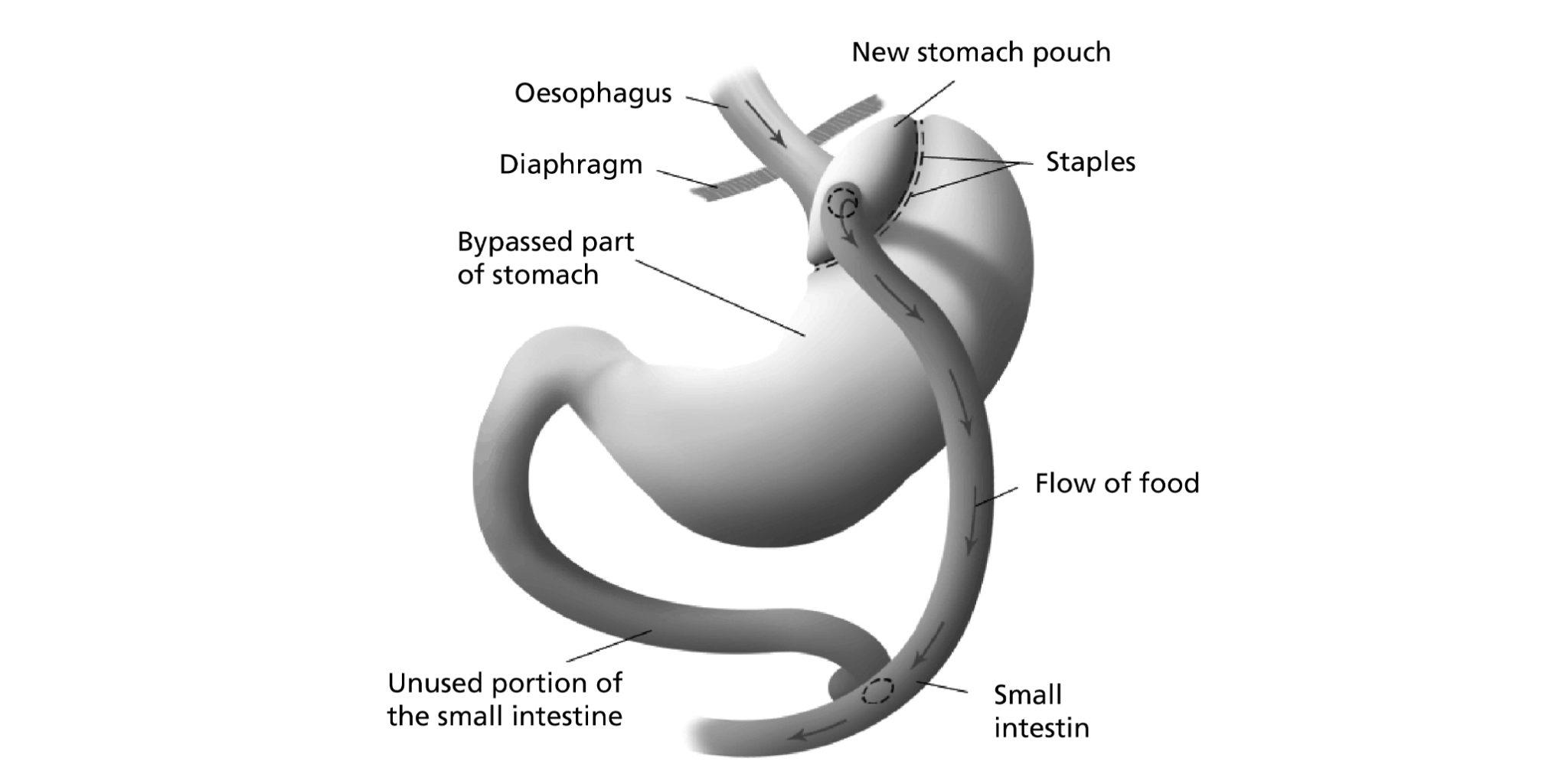
Roux en Y gastric bypass is a surgical weight loss procedure that changes both the size of the stomach and the route food takes through part of the digestive system.
During the procedure, the surgeon creates a smaller stomach pouch and connects it to a lower portion of the small intestine. This allows patients to consume smaller portions while also changing nutrient flow through the digestive tract.
How Gastric Bypass Supports Weight Loss
The procedure can promote weight loss through several mechanisms.
-
The smaller stomach pouch limits the amount of food that can be consumed at one time.
-
Changes in digestion can influence nutrient absorption.
-
Hormonal changes may affect appetite and feelings of fullness.
-
Patients are generally encouraged to adopt healthier eating habits.
-
The combination can support significant long term weight reduction in appropriate candidates.
How Roux en Y Gastric Bypass May Affect Fatty Liver Disease
One of the important areas of interest surrounding bariatric surgery is its potential effect on obesity related liver disease. Substantial weight loss after Roux en Y gastric bypass may reduce the amount of fat stored in the liver.
Reduction in Liver Fat
Weight loss can decrease excessive fat accumulation within liver cells.
-
Losing excess body weight may reduce hepatic fat.
-
Improved metabolic health may reduce the factors contributing to liver fat accumulation.
-
Changes can occur as overall weight and metabolic health improve.
-
The extent of improvement varies between individuals.
Improvement in Insulin Sensitivity
Insulin resistance is strongly associated with metabolic fatty liver disease. Weight loss following bariatric surgery may improve insulin sensitivity and glucose metabolism.
-
Better insulin sensitivity can support healthier blood glucose regulation.
-
Improved glucose metabolism may reduce metabolic stress on the liver.
-
Patients with obesity and type 2 diabetes may experience broader metabolic benefits.
-
Individual outcomes depend on overall health and adherence to postoperative recommendations.
Can Gastric Bypass Reverse Fatty Liver Disease
Roux en Y gastric bypass may contribute to improvement in fatty liver disease, particularly when excess weight and metabolic dysfunction are major contributing factors. However, it should not be described as an automatic cure for every form of liver disease.
Factors That Influence Liver Improvement
The response can depend on several factors.
-
Amount of weight lost after surgery
-
Severity of liver disease before treatment
-
Presence of diabetes or insulin resistance
-
Dietary habits after surgery
-
Physical activity
-
Alcohol consumption
-
Existing liver fibrosis or other liver conditions
-
Long term medical follow up
Patients with known liver disease should receive appropriate medical assessment before deciding whether bariatric surgery is suitable.
Benefits of Roux en Y Gastric Bypass Beyond Weight Loss
The potential benefits of gastric bypass extend beyond changes on the weighing scale. Significant weight loss can improve several obesity related health conditions.
Potential Metabolic Benefits
Depending on the individual patient, benefits may include:
-
Improved blood glucose control
-
Better insulin sensitivity
-
Reduction in obesity related metabolic risk
-
Improvements in blood pressure
-
Improved cholesterol levels
-
Reduced strain on the cardiovascular system
-
Improved mobility and physical activity
-
Potential improvement in obesity related liver problems
These outcomes are not guaranteed and should be discussed with a qualified bariatric surgeon and relevant medical specialists.
Who May Consider Roux en Y Gastric Bypass
Gastric bypass is generally considered for people with significant obesity when lifestyle measures alone have not produced adequate or sustainable weight loss and when the individual meets accepted medical criteria.
Important Evaluation Before Surgery
A bariatric team may evaluate:
-
Body mass index and weight history
-
Existing medical conditions
-
Diabetes and metabolic health
-
Liver health
-
Previous weight loss attempts
-
Nutritional status
-
Medications
-
Psychological readiness
-
Ability to follow long term dietary and lifestyle recommendations
A complete assessment helps determine whether gastric bypass is an appropriate option.
Tests for Patients With Fatty Liver Disease
People with suspected or diagnosed fatty liver disease may require additional evaluation before bariatric surgery.
Possible Liver Assessments
Depending on the patient's circumstances, doctors may consider:
-
Liver function blood tests
-
Blood glucose and diabetes testing
-
Lipid profile
-
Abdominal ultrasound
-
Fibrosis assessment
-
Other imaging or laboratory investigations when clinically indicated
The exact testing plan should be individualized according to the patient's medical history and examination.
Diet After Roux en Y Gastric Bypass
Nutrition becomes particularly important after gastric bypass. Because the stomach pouch is much smaller and digestion has been altered, patients need to follow a structured postoperative diet.
Early Postoperative Diet
Diet progression commonly occurs gradually according to the bariatric team's instructions.
-
Clear or suitable liquids may be introduced initially.
-
Patients may progress to pureed foods.
-
Soft foods can follow when medically appropriate.
-
Small portions of nutritious solid foods are introduced gradually.
-
Eating slowly and chewing thoroughly becomes important.
Long Term Nutrition
Patients generally need to prioritize nutrient dense foods.
-
Protein rich foods
-
Vegetables
-
Appropriate fruits
-
Whole grains when suitable
-
Adequate fluids
-
Recommended vitamin and mineral supplements
Patients should follow their individual diet plan rather than adopting a generic postoperative diet from the internet.
Lifestyle Changes After Gastric Bypass
Surgery is an important tool for weight management, but long term lifestyle habits remain essential.
Building Healthy Habits
Patients can support their results by:
-
Following their prescribed nutritional plan
-
Taking recommended supplements
-
Staying physically active
-
Attending follow up appointments
-
Monitoring weight and metabolic health
-
Avoiding excessive calorie dense foods
-
Following medical advice for existing liver or metabolic conditions
What Happens If Weight Returns After Gastric Bypass
Some patients may experience weight regain after bariatric surgery. A small amount of weight fluctuation can occur, but significant regain should be discussed with the bariatric team.
Managing Weight Regain
Doctors may investigate:
-
Changes in eating habits
-
Reduced physical activity
-
Emotional or behavioral factors
-
Medication effects
-
Anatomical changes
-
Metabolic conditions
Early professional support can help identify the underlying causes and develop an appropriate management plan.
Is Roux en Y Gastric Bypass Safe
Roux en Y gastric bypass is an established bariatric procedure, but like every major surgery, it carries potential risks and complications.
Possible Risks
Potential complications can include:
-
Bleeding
-
Infection
-
Blood clots
-
Leaks
-
Nutritional deficiencies
-
Ulcers
-
Bowel obstruction
-
Dumping syndrome
-
Need for additional treatment or surgery
The individual risk depends on factors such as overall health, obesity severity, previous operations, surgical technique, and postoperative care.
Why Follow Up Is Important After Surgery
Long term follow up is an essential part of bariatric treatment. Patients should continue medical monitoring even after achieving their desired weight.
Follow Up Can Help Monitor
-
Weight changes
-
Nutritional status
-
Vitamin and mineral levels
-
Blood glucose
-
Liver health
-
Digestive symptoms
-
Dietary progress
-
Physical activity
-
Potential complications
Regular follow up allows problems to be identified and addressed earlier.
Roux en Y Gastric Bypass Surgery in Islamabad
For patients researching Roux en Y Gastric Bypass Surgery in Islamabad, choosing an experienced bariatric surgical team is an important part of the treatment journey. Patients should consider the surgeon's experience, hospital facilities, preoperative assessment, postoperative support, nutritional guidance, and availability of long term follow up.
The right procedure is not necessarily the same for every patient. A detailed consultation can help determine whether Roux en Y gastric bypass is appropriate based on BMI, medical history, metabolic conditions, liver health, previous weight loss attempts, and individual treatment goals.
Frequently Asked Questions
Can gastric bypass improve fatty liver disease
Gastric bypass can contribute to improvements in fatty liver disease through substantial weight loss and improvements in metabolic health. The degree of improvement varies according to the severity of liver disease and individual patient factors.
Is gastric bypass suitable for someone with fatty liver
Fatty liver does not automatically prevent someone from having bariatric surgery. However, the severity and cause of liver disease should be evaluated before surgery.
How quickly can liver health improve after weight loss
Liver fat can decrease with meaningful weight loss, but the timeline varies. Patients with significant liver disease require individualized medical monitoring.
Can fatty liver return after gastric bypass
Fatty liver disease can recur or worsen if significant weight is regained or metabolic risk factors remain uncontrolled. Long term lifestyle management and medical follow up are therefore important.
Does gastric bypass treat diabetes and fatty liver together
Weight loss and metabolic changes following gastric bypass may improve both type 2 diabetes and metabolic fatty liver disease in appropriate patients. Individual results vary and diabetes treatment may need adjustment under medical supervision.
Final Thoughts
Roux en Y gastric bypass can be an effective surgical option for appropriately selected patients with severe obesity and related metabolic conditions. Because excess weight, insulin resistance, diabetes, and fatty liver disease can be closely connected, meaningful and sustained weight loss may provide benefits beyond weight reduction alone.
For anyone considering Roux en Y Gastric Bypass Surgery in Islamabad, the decision should be based on a complete medical evaluation rather than weight alone. A qualified bariatric team can assess your health, nutritional status, liver condition, BMI, medical history, and weight loss goals before recommending the most appropriate treatment.
At Slimthetics Clinic, patients can receive a structured bariatric care pathway focused on evaluation, surgical planning, nutritional guidance, recovery, and long term weight management. Our experienced team works to provide individualized care so that patients can make informed decisions about bariatric surgery and their overall metabolic health.

 English
 Arabic
 French
 Portuguese
 Deutsch
 Turkish
 Dutch
Dutch
 Italiano
 Russian
 Romaian
 Portuguese (Brazil)
 Greek
Greek
