
How to Evaluate Nicotine Pouch Fabric for Manufacturing Requirements?
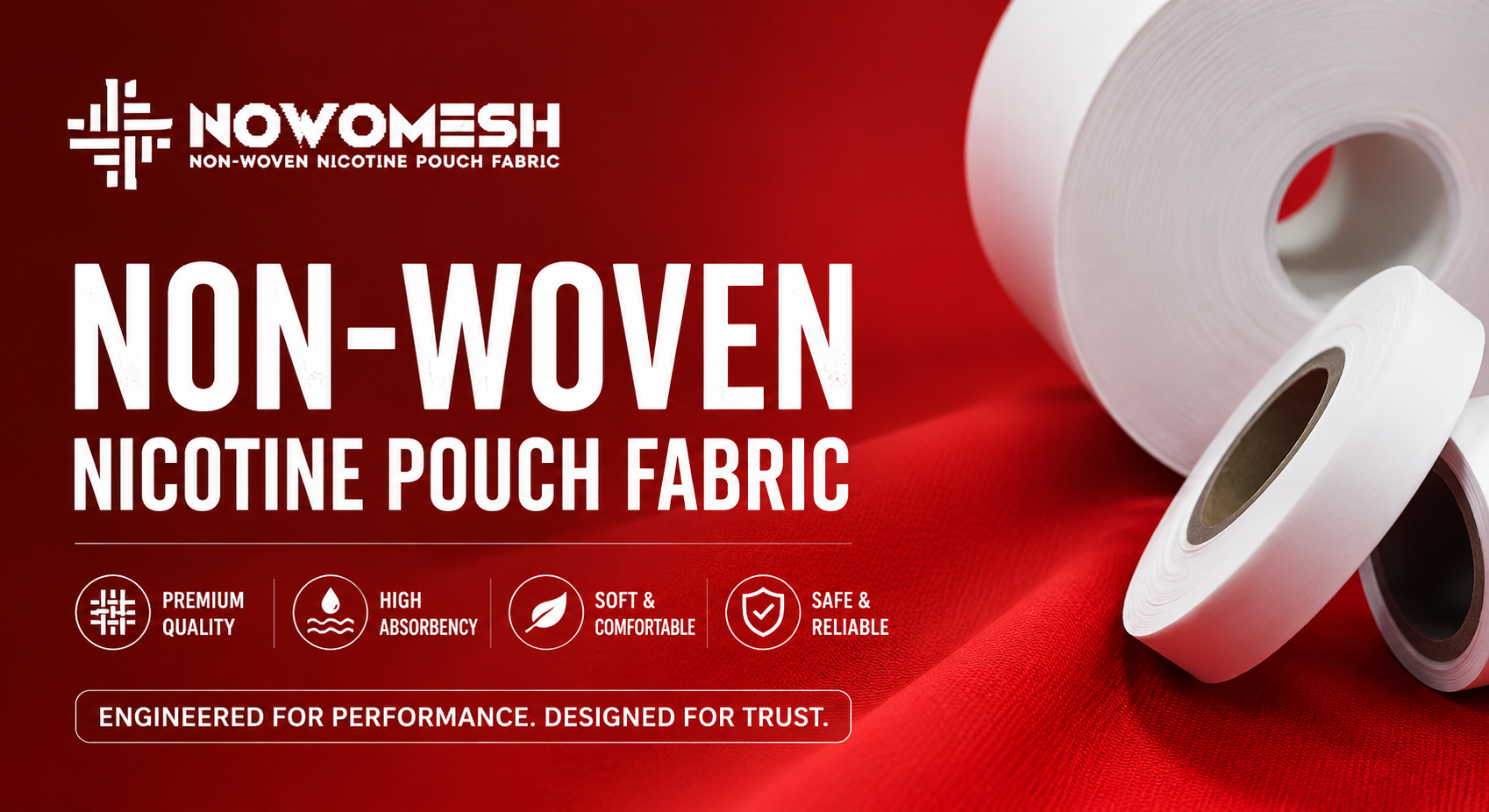
The intended use of the finished pouch and production requirements can affect material selection. Nicotine pouch fabric can be produced using different characteristics so manufacturers can compare material based on thickness, strength, softness, texture, and more.
Non-woven material is constructed from fibers using a processing and manufacturing method that does not involve weaving. Fabric made using this method can vary based on physical characteristics and production requirements.
Learn About Material Construction
Different materials are made using various fibers and construction methods. The texture, strength, softness, and other physical properties of nicotine pouch material can vary based on how it was made.
Manufacturers should have a good idea of how different materials are constructed before choosing one for production. Understanding construction can allow manufacturers to more easily identify if fabric will work for their intended use.
Compare Material Thickness
Manufacturers should consider how thick the material is when selecting fabric. The thickness of pouch material can vary based on its intended use and production requirements.
Production equipment can also be affected by material thickness. If fabric is too thick or not flexible enough, it may not feed through machinery correctly. Consider material thickness when determining if it will work with your production process.
Compare Material Strength
Material strength is important to consider during selection. Different applications can require nicotine pouch material with different strength levels.
Ensure the material strength meets your needs for its intended use. Additionally, consider if the strength of the material will vary between production batches. Weak spots within material could have a negative impact on production.
Materials that have consistent strength may help manufacturers ensure steady production results.
Compare Material Softness and Texture
Texture and softness may affect your material selection. Fabrics can vary in surface structure and softness.
Feel and texture can depend on the type of fiber used to create the material. Determine whether the softness and texture of fabric will work with your intended pouch use.
Compare Material Consistency
Material consistency is something to keep in mind if you need large quantities of fabric. Ideally, the material you use should be consistent between production batches.
If one batch of material is thicker than another, it could impact production. Strength, softness, and texture can vary as well. Differences between batches can have a negative impact on pouch manufacturing.
Compareing the consistency of material can help ensure manufacturers continue to produce consistent results.
Compare Material Composition
Finally, material composition is important to consider. Fabrics can be composed of different types of fibers.
Take a look at the material specifications to determine if the material composition will work with your production process and intended use. Selecting material based solely on appearance can lead to poor results.
Material specifications should be compared before choosing the right fabric for production.
Consider Compatibility with Production Requirements
Manufacturers should also ensure the material they select is compatible with their production process. Characteristics such as material thickness, strength, flexibility, and surface structure can impact the way fabric performs during production.
Check to see if the material can be processed using existing machinery and production methods. Material that meets specifications but does not work with your production process could lead to issues.
Compare Supplier Capabilities
Supplier is another thing to consider when choosing material. Ensure the supplier you choose can provide the material specifications and production quantities you need.
Look into the quality control process used by material suppliers. Strong quality control methods can help ensure consistency between material batches.
Some manufacturers may need material that has been customized to have specific thickness, strength, softness, or other qualifications. Customization capabilities should be considered in these situations.
Selecting Material Based on Production Needs
Pouch manufacturers should take their individual needs into account when comparing material. There is no one-size-fits-all material specification that will work for every situation.
Instead, fabric should be compared based on the intended use, production process, and desired material characteristics. Factors that should be compared include:
-
Type of fiber
-
Material composition
-
Thickness
-
Weight
-
Strength
-
Softness
-
Surface structure
-
Material consistency
-
Compatibility with production process
By looking at these material characteristics and comparing them to your manufacturing needs, manufacturers can select material that will work best for their production requirements.
Choosing the Right Material for Your Production Needs
By comparing these characteristics with actual manufacturing requirements, manufacturers can make a more informed material selection. Factors such as fiber type, composition, thickness, weight, strength, softness, surface structure, and consistency can help determine whether non-woven pouch material is suitable for a particular production process and intended pouch application.
Conclusion
Determining the best fabric for your pouch needs involves more than just comparing pouch material aesthetics. Thickness, strength, softness, texture, material makeup, consistency and production equipment compatibility are all factors that can play into a material's suitability.
Fabric suppliers' capacity, quality control standards, production quantity capability, and customization options should also be considered when determining what fabric will work best with your needs. Taking all of these elements into account can help you as a manufacturer better identify the types of material that will fit your production process and final pouch usage.
FAQs
What is nicotine pouch fabric made out of?
Nicotine pouch fabric can be made from a variety of different materials. When selecting fabric to use during production, manufacturers should compare factors such as material thickness, strength, softness, texture, and consistency. Learn more about choosing material on our blog.
Do I need to consider the supplier when selecting material?
Yes, manufacturers should evaluate suppliers to ensure they can provide fabric that meets material specifications and provide enough material to meet production demands.
Can material vary from batch to batch?
Yes, some variations can occur between material batches. However, quality control measures can help reduce the amount of variation between batches of material.
Want to learn more about our materials? Fill out the contact form on our website to speak to a member of our team.

 English
 Arabic
 Spanish
 Portuguese
 Deutsch
 Turkish
 Dutch
Dutch
 Italiano
 Russian
 Romaian
 Portuguese (Brazil)
 Greek
Greek
