
Proton Exchange Membrane Fuel Cell Market Size By 2033 | Anticipating Growth and Advancements with Opportunities and Challenges
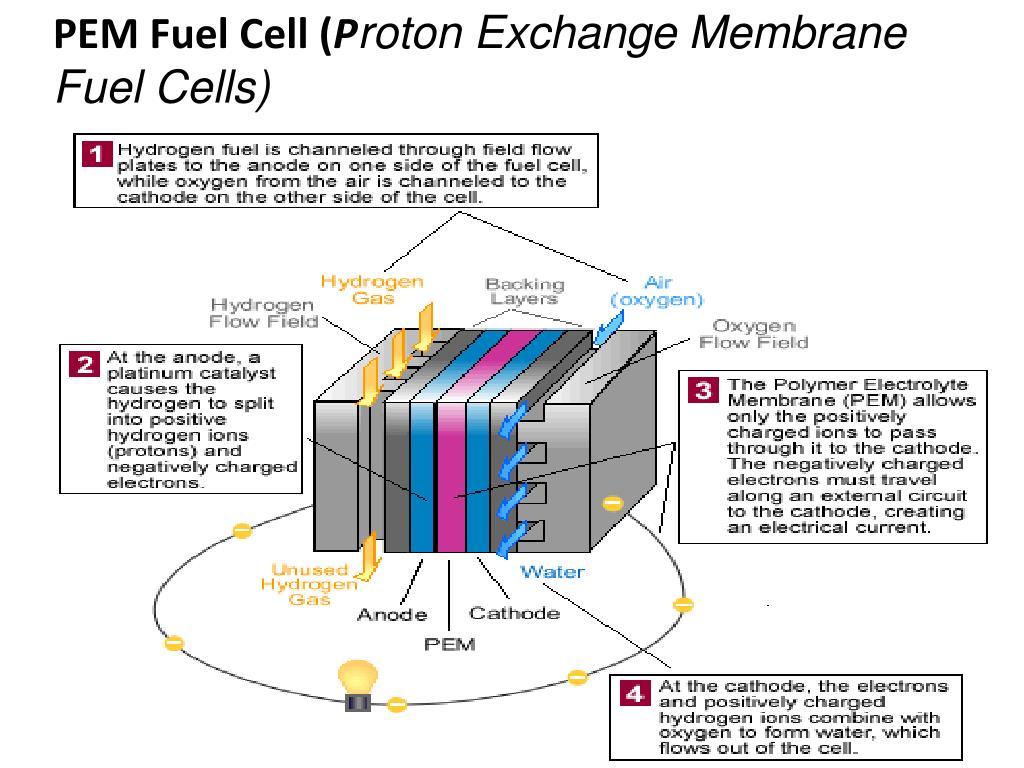
The global Proton Exchange Membrane (PEM) Fuel Cell market is poised for substantial growth, reflecting the accelerating global shift toward clean and sustainable energy solutions. Valued at approximately US$ 3.7 billion in 2026, the market is projected to reach US$ 10.8 billion by 2033, expanding at a compelling compound annual growth rate (CAGR) of 16.5% during the forecast period from 2026 to 2033. This strong upward trajectory underscores the increasing adoption of hydrogen-based energy systems across transportation, stationary power, and portable applications.
The growth of the PEM fuel cell market is primarily driven by rising environmental concerns, stringent government regulations aimed at reducing greenhouse gas emissions, and growing investments in hydrogen infrastructure. PEM fuel cells, known for their high efficiency, low operating temperatures, and quick start-up capabilities, are gaining traction as a preferred solution in zero-emission mobility and distributed power generation.
Additionally, advancements in membrane technology, catalyst efficiency, and system integration are lowering costs and improving durability, thereby making PEM fuel cells more commercially viable. Increasing collaborations between governments and private sector players to develop hydrogen economies further support market expansion.
Key Highlights from the Report
➤ The global Proton Exchange Membrane Fuel Cell market is expected to grow from US$ 3.7 billion in 2026 to US$ 10.8 billion by 2033, registering a CAGR of 16.5%.
➤ Transportation applications remain the dominant segment, driven by the rapid adoption of fuel cell electric vehicles (FCEVs).
➤ Asia-Pacific leads the global market due to strong government backing and large-scale hydrogen initiatives.
➤ Technological advancements in catalysts and membranes are significantly reducing system costs.
➤ Increasing investments in hydrogen infrastructure are accelerating market penetration globally.
➤ Strategic partnerships between automakers and energy companies are shaping competitive dynamics.
Segmentation Analysis
By Type
The PEM fuel cell market is segmented into air-cooled and water-cooled systems. Among these, water-cooled PEM fuel cells dominate the market due to their higher efficiency and suitability for large-scale applications such as automotive and stationary power generation. These systems offer better thermal management, making them ideal for continuous operation in demanding environments.
Air-cooled PEM fuel cells, while less complex and more cost-effective, are primarily used in smaller applications such as portable power devices and backup systems. However, this segment is expected to witness steady growth due to increasing demand for lightweight and compact energy solutions in consumer electronics and remote power applications.
By Vehicle/Product/Service Type
In terms of application, the market is segmented into transportation, stationary, and portable sectors. The transportation segment holds the largest share, driven by the growing adoption of fuel cell electric vehicles (FCEVs) in both passenger and commercial categories. Governments worldwide are promoting hydrogen-powered mobility as a key strategy to decarbonize the transportation sector, further boosting demand.
The stationary segment is also gaining momentum, particularly in backup power systems for data centers, telecommunications infrastructure, and residential energy systems. PEM fuel cells offer reliable and clean energy generation, making them an attractive alternative to diesel generators.
Portable applications, including military equipment, consumer electronics, and remote monitoring systems, represent a niche but rapidly growing segment. The ability of PEM fuel cells to provide long-lasting and efficient power in off-grid environments is a key driver for this segment.
By Propulsion/Technology/Channel
From a technology perspective, advancements in catalyst materials, membrane durability, and system integration are transforming the PEM fuel cell landscape. The adoption of platinum-based catalysts is being optimized through nanotechnology, reducing material costs while maintaining performance.
Distribution channels are evolving with the emergence of integrated energy solutions providers offering turnkey hydrogen and fuel cell systems. This shift is enabling faster deployment and wider adoption across industries.
Regional Insights
Asia-Pacific dominates the global PEM fuel cell market, accounting for the largest share due to strong government initiatives, substantial investments, and a well-established hydrogen infrastructure. Countries such as Japan, South Korea, and China are at the forefront of hydrogen economy development, with ambitious targets for fuel cell vehicle deployment and hydrogen production.
Europe represents a significant market, driven by stringent emission regulations and the European Union’s commitment to achieving carbon neutrality. The region is witnessing increased adoption of PEM fuel cells in public transportation and industrial applications.
North America is emerging as a key growth region, supported by government incentives, technological innovation, and increasing investments in clean energy infrastructure. The United States, in particular, is focusing on expanding hydrogen refueling networks and promoting fuel cell adoption in heavy-duty transportation.
The fastest-growing region is expected to be Asia-Pacific, owing to rapid industrialization, supportive policies, and large-scale hydrogen projects that are accelerating market expansion.
Key Players and Competitive Landscape
The PEM fuel cell market is highly competitive, with several leading companies driving innovation and market expansion through strategic initiatives.
✦ Ballard Power Systems – Focuses on developing high-performance fuel cell modules for transportation and stationary applications, with strong partnerships in the automotive sector.
✦ Plug Power Inc. – Expanding its hydrogen ecosystem through integrated solutions, including production, storage, and fuel cell systems, particularly in logistics and material handling.
✦ Toyota Motor Corporation – A pioneer in fuel cell vehicles, continuously investing in next-generation fuel cell stacks and expanding its hydrogen mobility initiatives globally.
✦ Hyundai Motor Company – Actively promoting hydrogen-powered vehicles and investing in large-scale fuel cell production facilities to support growing demand.
✦ Cummins Inc. – Leveraging its expertise in power systems to develop fuel cell solutions for heavy-duty transportation and industrial applications.
✦ Doosan Fuel Cell Co., Ltd. – Specializes in stationary fuel cell systems, focusing on distributed power generation and energy security solutions.
✦ Bloom Energy Corporation – Advancing solid oxide and PEM fuel cell technologies for clean and reliable power generation in commercial and industrial sectors.
These companies are focusing on strategic collaborations, mergers and acquisitions, and geographic expansion to strengthen their market position. Continuous investment in research and development is enabling them to introduce innovative products and maintain a competitive edge.
Future Opportunities and Growth Prospects
The future of the PEM fuel cell market is highly promising, with significant opportunities emerging across multiple sectors. The expansion of hydrogen infrastructure, coupled with declining costs of fuel cell systems, is expected to drive widespread adoption in transportation, power generation, and industrial applications.
Emerging applications such as marine transportation, aviation, and microgrids present new avenues for growth. The integration of renewable energy sources with hydrogen production and fuel cell systems is creating a sustainable energy ecosystem that supports long-term environmental goals.
In conclusion, the Proton Exchange Membrane Fuel Cell market is on a strong growth trajectory, driven by technological innovation, supportive policies, and increasing demand for clean energy solutions. As the world moves toward a low-carbon future, PEM fuel cells are set to play a pivotal role in transforming the global energy landscape.

 Arabic
 French
 Spanish
 Portuguese
 Deutsch
 Turkish
 Dutch
Dutch
 Italiano
 Russian
 Romaian
 Portuguese (Brazil)
 Greek
Greek