
IV Drip at Home: Making Care More Convenient
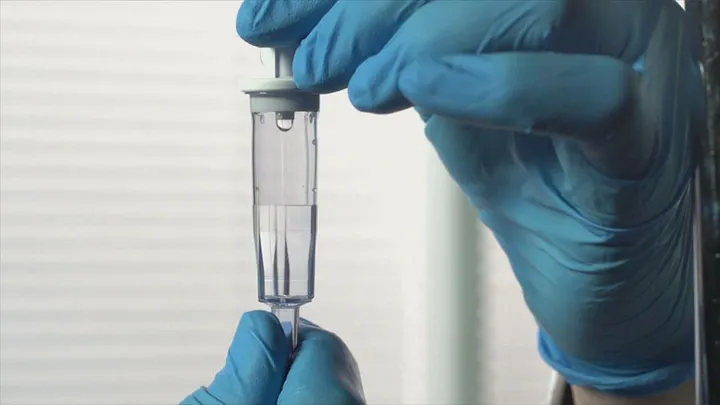
IV Drip at Home provides a convenient way for suitable patients to receive professionally administered intravenous treatment without making a routine trip to a healthcare facility. In Dubai, qualified healthcare professionals can visit patients at home, assess their condition, and determine whether IV therapy is medically appropriate.
For people who need professional medical evaluation in a familiar environment, Doctor at home in Dubai services can make healthcare more accessible. A qualified professional can review symptoms, medical history, medications, and other relevant factors before recommending the most suitable form of care.
What Is IV Drip at Home?
An IV drip delivers fluids directly into a vein through a small catheter. Intravenous fluids may be considered when a patient needs fluid replacement and oral hydration is not sufficient or cannot be taken effectively.
With IV Drip at Home, this treatment is performed in the patient's residence by an appropriately trained healthcare professional. The home setting may make the experience more comfortable, but the procedure still requires proper medical assessment, sterile equipment, and careful monitoring.
Why Is Home IV Care Convenient?
Traveling to a clinic can sometimes be difficult when a person is feeling weak, recovering from an illness, or has limited mobility. Home healthcare can reduce the need for unnecessary travel when the patient's condition is suitable for treatment at home.
Receiving treatment at home may also allow patients to rest in a familiar environment before and after the procedure. This can be particularly convenient for people with busy schedules or those who find clinic visits physically tiring.
However, convenience should never replace medical assessment. IV therapy should only be provided when it is appropriate for the patient's condition.
How Does the Treatment Work?
The process normally starts with a professional health assessment. The healthcare provider may ask about the patient's current symptoms, medical history, medications, allergies, and recent fluid intake or fluid loss.
If IV treatment is considered appropriate, the healthcare professional prepares the required equipment and identifies a suitable vein. The IV catheter is inserted using appropriate hygiene and infection-control procedures.
The prescribed fluid is then administered while the patient is monitored. After the infusion is complete, the catheter is removed and the insertion site is checked.
Benefits of IV Drip at Home
One of the main benefits of IV Drip at Home is reduced travel. Patients who are appropriate candidates can receive professional treatment in their own residence instead of spending time traveling to and waiting at a clinic.
Another advantage is comfort. Some people prefer receiving healthcare in a familiar setting, especially when they are recovering from an illness or experiencing temporary weakness.
Home treatment can also provide personalized attention. A healthcare professional can assess the patient individually rather than assuming that the same treatment is suitable for everyone.
Can IV Drips Help With Dehydration?
IV fluids can be useful in certain situations involving significant dehydration or fluid loss. For example, a healthcare professional may consider IV hydration when a person has experienced substantial vomiting or diarrhea or cannot maintain adequate hydration by drinking.
However, mild dehydration does not automatically require an IV. Many people can maintain or restore hydration through appropriate oral fluids.
The cause and severity of dehydration are important considerations. A healthcare professional should determine whether IV treatment is necessary instead of using it simply because it is convenient.
Is IV Drip at Home Safe?
When performed by a qualified healthcare professional using appropriate equipment and proper infection-control practices, home IV treatment can be suitable for selected patients.
Nevertheless, IV therapy carries potential risks. These can include bruising, bleeding, infection, vein irritation, infiltration, and allergic reactions. Certain patients may also experience complications from receiving inappropriate amounts or types of fluids.
People with particular heart, kidney, or other medical conditions may require additional assessment before receiving intravenous fluids.
Who Should Discuss IV Therapy With a Professional First?
Patients with chronic medical conditions should provide their healthcare professional with complete information before treatment. This can include heart or kidney problems, fluid restrictions, electrolyte issues, allergies, and current medications.
Pregnant patients, children, older adults, and people with complex medical histories may also require individualized assessment.
Providing accurate health information helps the professional determine whether home IV treatment is suitable or whether another form of care would be more appropriate.
What Should You Expect During a Home Visit?
During a professional home visit, the healthcare provider should first evaluate the patient's condition. This may involve discussing symptoms and reviewing relevant health information.
If IV therapy is recommended, the professional prepares the treatment area and equipment. The IV is inserted carefully, and the patient is monitored during administration.
Patients should communicate any unusual discomfort, swelling, pain, dizziness, or other unexpected symptoms during the procedure. This allows the healthcare professional to respond appropriately.
Choosing the Right Home Healthcare Provider
When selecting an IV Drip at Home service, patients should look for a reputable provider with appropriately qualified healthcare professionals. Proper hygiene, sterile supplies, professional assessment, and monitoring should be important parts of the service.
It is also wise to be cautious of providers making unrealistic claims about IV therapy. An IV drip should not be promoted as a universal solution for fatigue, illness, or every wellness concern.
Professional healthcare should focus on the patient's actual needs and medical condition.
When Is Emergency Care More Appropriate?
Home IV treatment is not intended to replace emergency medical services. If someone experiences chest pain, severe difficulty breathing, loss of consciousness, severe confusion, or rapidly worsening symptoms, urgent medical attention should be sought.
Severe dehydration may also require hospital-based evaluation, particularly when a person cannot keep fluids down or has serious symptoms.
Final Thoughts
IV Drip at Home can make appropriate medical care more convenient by allowing selected patients to receive professionally administered IV treatment in their own homes. In Dubai, home healthcare services can reduce unnecessary travel while providing access to qualified medical professionals.
However, convenience should always come after safety and medical suitability. IV therapy is a medical procedure, and a qualified healthcare professional should determine whether it is appropriate. For mild dehydration, oral fluids may often be enough, while serious or rapidly worsening symptoms may require urgent or hospital-based care.

 English
 Arabic
 French
 Spanish
 Portuguese
 Deutsch
 Turkish
 Dutch
Dutch
 Italiano
 Russian
 Portuguese (Brazil)
 Greek
Greek
