
How Speech Therapy Games Make Language Learning Fun and Effective for Children
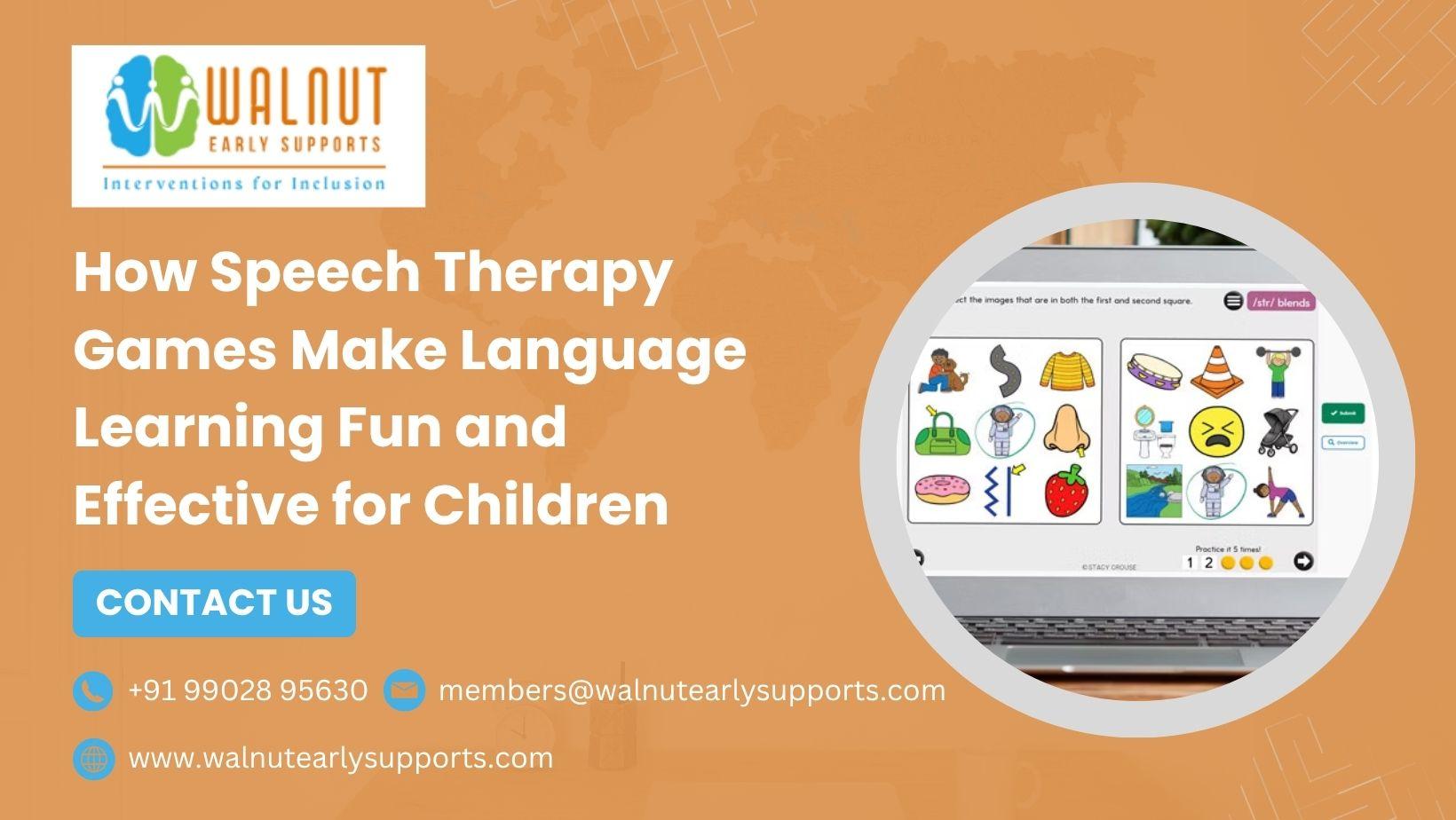
Children often learn best when they are having fun. Traditional language exercises can sometimes feel repetitive, especially for young children who may find it difficult to stay focused for long periods. This is where Speech Therapy Games can make a meaningful difference. By combining learning with play, these games encourage children to practice communication skills in a relaxed and enjoyable way.
For parents, caregivers, and speech-language professionals, playful learning can create more opportunities for children to listen, speak, understand, and express themselves. Games can also be adapted to match a child’s age, interests, and individual communication needs.
Why Play Matters in Language Learning
Play is a natural part of childhood development. When children participate in activities they enjoy, they are more likely to stay engaged and repeat skills without feeling pressured. Repetition is especially important when a child is learning new sounds, words, concepts, or sentence patterns.
A simple game can turn practice into an interactive experience. For example, a child may name pictures, follow instructions, answer questions, describe objects, or create short sentences while playing. These small interactions provide valuable opportunities to build communication skills.
Play-based learning can also support Language Development in Children by encouraging children to use language in meaningful situations rather than simply memorizing words.
How Speech Therapy Games Support Communication Skills
One of the biggest benefits of Speech Therapy Games is that they can target several communication skills through one engaging activity. Depending on the game, children may practice vocabulary, listening, pronunciation, sentence formation, comprehension, or social communication.
For example, a picture-matching game can help children identify and name objects. A sequencing game can encourage them to describe what happened first, next, and last. Question-and-answer games can help children understand different types of questions and respond appropriately.
These activities give children repeated practice while keeping the learning experience enjoyable. They can also provide useful language support for children who need additional opportunities to practice communication skills.
Making Therapy More Interactive
Children have different learning styles and communication needs. Some may respond well to pictures and visual prompts, while others may prefer movement, sounds, stories, or interactive challenges. Using a variety of activities allows therapy to become more personalized.
For children with autism, carefully selected speech therapy tools for autism can help create structured opportunities for communication. Visual games, matching activities, turn-taking games, and simple choice-based activities may encourage children to communicate their needs and participate more actively.
Games should always be selected according to the child’s individual goals. A speech-language professional can help determine which activities are appropriate and how they can be adapted to support specific skills.
Supporting Children With Language Challenges
Some children may experience difficulties understanding language, using words, forming sentences, or communicating their ideas. These challenges can occur for different reasons and may require individualized support. Children with language disorders in children may benefit from activities that provide clear instructions, repetition, visual support, and opportunities to practice new skills.
Well-designed games can make these practice opportunities feel less like work. Instead of completing the same exercise repeatedly, children can learn through stories, pictures, challenges, and interactive tasks.
Parents can also use simple activities during everyday routines. Naming objects while cooking, describing pictures during story time, or taking turns during a board game can create natural opportunities for communication practice.
Choosing the Right Therapy Materials
The effectiveness of an activity depends on how well it matches the child’s needs. Good therapy materials should be age-appropriate, engaging, easy to understand, and connected to a clear learning goal.
Digital games can be particularly useful because they may provide visual feedback and interactive elements that hold a child’s attention. However, technology should support therapy rather than replace professional guidance. Parents and therapists can combine digital activities with conversation, books, toys, and real-life communication opportunities.
A balanced collection of child development therapy resources can give families and professionals more flexibility when planning meaningful learning experiences.
Turning Practice Into a Positive Experience
The goal of Speech Therapy Games is not simply to make therapy entertaining. The real value comes from creating opportunities for children to practice important communication skills in ways that feel natural and rewarding.
When children enjoy an activity, they may be more willing to participate, try again after making a mistake, and communicate with others. Positive experiences can help build confidence and encourage children to use their developing skills beyond the therapy setting.
Conclusion
Play can be a powerful way to support communication and learning. Speech Therapy Games provide children with engaging opportunities to practice vocabulary, listening, comprehension, pronunciation, sentence formation, and social communication.
With appropriate activities, professional guidance, and consistent practice, playful learning can become an important part of a child’s communication journey. The right combination of games, therapy materials, and everyday interaction can help make language learning more enjoyable, meaningful, and effective.

 English
 Arabic
 French
 Spanish
 Deutsch
 Turkish
 Dutch
Dutch
 Italiano
 Russian
 Romaian
 Portuguese (Brazil)
 Greek
Greek
