
Automotive PCB Market Trends in ADAS, Infotainment, and Connected Vehicle Systems
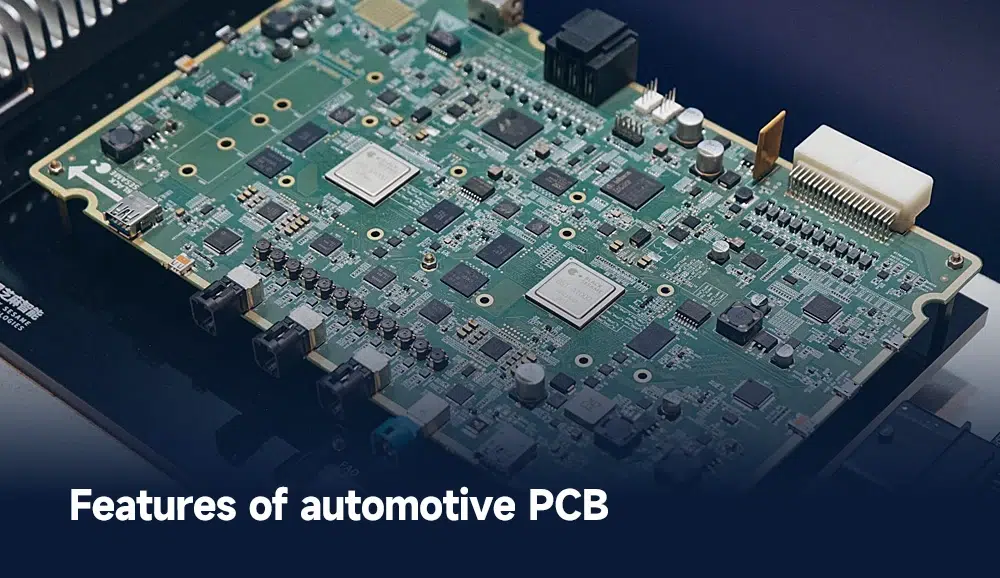
The global Automotive Printed Circuit Board (PCB) market is witnessing steady expansion, supported by the rapid evolution of vehicle electronics, electrification, and advanced safety systems. According to recent insights from leading market research firms, the automotive PCB market is expected to be valued at US$ 11.0 billion in 2026 and is projected to reach US$ 16.6 billion by 2033, growing at a compound annual growth rate (CAGR) of 6.1% during the forecast period from 2026 to 2033.
The increasing integration of electronic components in modern vehicles is a key factor driving market growth. Automotive PCBs serve as the backbone of electronic systems, enabling functionality across infotainment, powertrain control, safety systems, and advanced driver assistance systems (ADAS). As vehicles transition from mechanical systems to software-driven architectures, the demand for high-performance, reliable, and compact PCBs continues to rise.
Growth is further fueled by the accelerating adoption of electric vehicles (EVs), which require sophisticated electronic systems for battery management, power control, and charging infrastructure. Additionally, stringent government regulations related to vehicle safety and emissions are compelling automakers to incorporate advanced electronic features, thereby boosting demand for automotive PCBs.
Key Highlights from the Report
➤ The automotive PCB market is projected to grow from US$ 11.0 billion in 2026 to US$ 16.6 billion by 2033, at a CAGR of 6.1%.
➤ Increasing adoption of electric vehicles and hybrid vehicles is significantly driving demand for advanced PCB solutions.
➤ Multi-layer PCBs dominate the market due to their high performance and compact design capabilities.
➤ Passenger vehicles account for the largest share, driven by rising consumer demand for advanced electronics and infotainment systems.
➤ Asia-Pacific remains the leading regional market, supported by strong automotive manufacturing and electronics production.
➤ Integration of AI, IoT, and connected vehicle technologies is accelerating innovation in automotive PCB design and functionality.
Segmentation Analysis
By Type
The automotive PCB market is segmented into single-layer PCBs, double-layer PCBs, and multi-layer PCBs. Among these, multi-layer PCBs dominate the market due to their ability to support complex and high-density electronic circuits. These PCBs are widely used in advanced applications such as ADAS, infotainment systems, and powertrain electronics, where performance and reliability are critical.
Double-layer PCBs also hold a significant share, offering a balance between cost and performance for mid-range applications. Single-layer PCBs, while less complex, are still utilized in basic electronic functions and cost-sensitive vehicle segments. However, as vehicles become increasingly electronic-intensive, the demand is shifting toward multi-layer configurations.
By Vehicle Type
Based on vehicle type, the market is categorized into passenger vehicles and commercial vehicles. Passenger vehicles account for the largest share, driven by the growing demand for connected features, enhanced safety systems, and in-vehicle entertainment. The proliferation of electric passenger vehicles further amplifies the need for advanced PCBs.
Commercial vehicles are also witnessing increased adoption of PCB-based systems, particularly in fleet management, telematics, and safety applications. However, the adoption rate is comparatively slower due to cost considerations and longer vehicle lifecycle cycles.
By Technology
In terms of technology, the market includes conventional PCBs, high-density interconnect (HDI) PCBs, and flexible PCBs. HDI PCBs are gaining traction due to their compact size, lightweight nature, and ability to support high-speed data transmission. These features make them ideal for modern automotive applications, including autonomous driving systems.
Flexible PCBs are also experiencing significant growth, as they enable innovative designs and space optimization in compact vehicle architectures. Conventional PCBs, while still widely used, are gradually being supplemented by advanced technologies that offer improved performance and efficiency.
Regional Insights
Asia-Pacific dominates the global automotive PCB market, driven by the presence of major automotive manufacturing hubs in countries such as China, Japan, South Korea, and India. The region benefits from a well-established electronics supply chain, cost-effective manufacturing capabilities, and increasing demand for electric vehicles.
North America represents a mature market characterized by high adoption of advanced automotive technologies, including ADAS and connected vehicles. The presence of leading automotive OEMs and technology companies supports innovation and market growth.
Europe also holds a significant share, driven by stringent environmental and safety regulations. The region’s strong focus on electric mobility and premium vehicle segments contributes to the demand for advanced PCB solutions.
Asia-Pacific is expected to remain the fastest-growing region during the forecast period, supported by rapid urbanization, rising disposable incomes, and government initiatives promoting electric vehicles and smart transportation systems.
Key Players and Competitive Landscape
The automotive PCB market is highly competitive, with key players focusing on innovation, strategic partnerships, and expansion to strengthen their market presence. Companies are investing heavily in research and development to introduce advanced PCB solutions tailored to evolving automotive requirements.
✦ Samsung Electro-Mechanics – Focuses on high-density interconnect PCBs and advanced electronic components for next-generation vehicles.
✦ TDK Corporation – Specializes in electronic components and PCB solutions with strong emphasis on reliability and performance.
✦ Meiko Electronics Co., Ltd. – Known for its advanced PCB manufacturing capabilities and strong presence in automotive applications.
✦ CMK Corporation – Offers a wide range of automotive PCBs, focusing on innovation and quality to meet industry standards.
✦ Nippon Mektron, Ltd. – A leader in flexible PCBs, catering to the growing demand for compact and lightweight automotive electronics.
✦ Zhen Ding Technology Holding Limited – Focuses on large-scale PCB production and technological advancements to support global automotive demand.
These companies are adopting strategies such as mergers and acquisitions, product innovation, and regional expansion to enhance their competitive position. Collaborations with automotive OEMs and technology providers are also playing a crucial role in driving innovation and market growth.
Future Opportunities and Growth Prospects
The future of the automotive PCB market is closely linked to the ongoing transformation of the automotive industry. The shift towards electric, connected, and autonomous vehicles is expected to drive sustained demand for advanced PCB solutions.
Emerging technologies such as autonomous driving, smart mobility, and vehicle-to-everything (V2X) communication are creating new opportunities for PCB manufacturers. These technologies require high-performance electronic systems, further increasing the demand for innovative PCB designs.
In conclusion, the automotive PCB market is poised for steady growth, driven by technological advancements, regulatory support, and the increasing complexity of vehicle electronics. Companies that prioritize innovation, quality, and strategic partnerships are expected to lead the market in the coming years.

 English
 Arabic
 French
 Spanish
 Portuguese
 Deutsch
 Turkish
 Dutch
Dutch
 Italiano
 Romaian
 Portuguese (Brazil)
 Greek
Greek