
Role of Voice Recognition and Gesture Control in Automotive HMI Market Expansion
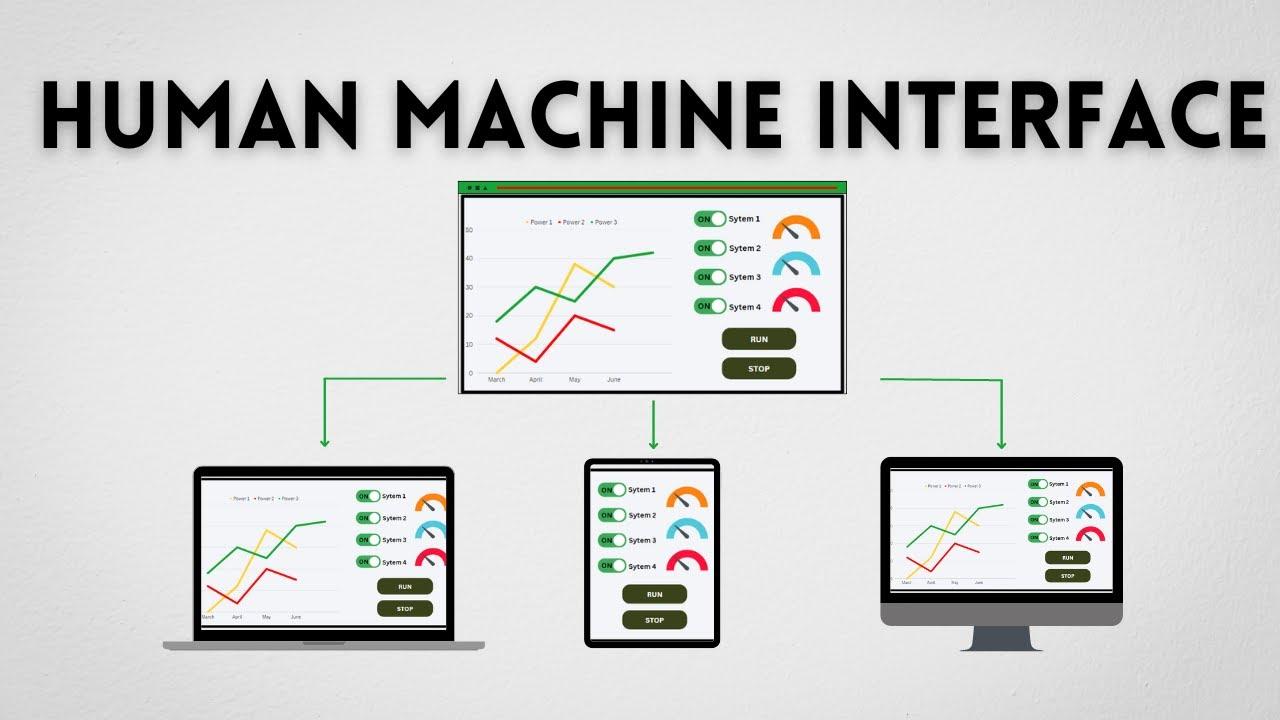
The global Automotive Human Machine Interface (HMI) market is experiencing a significant transformation, driven by the rapid evolution of connected, autonomous, and electric vehicles. According to recent analysis by leading market research firms, the market is projected to grow from US$ 29.9 billion in 2026 to US$ 59.4 billion by 2033, expanding at a robust CAGR of 10.3% during the forecast period.
The increasing demand for enhanced in-vehicle user experience, combined with advancements in digital cockpit technologies, is accelerating the adoption of advanced HMI systems. Automakers are focusing on integrating intuitive interfaces such as touchscreens, voice recognition systems, gesture controls, and augmented reality (AR) displays to improve driver safety and comfort. Furthermore, the rise of software-defined vehicles and the growing importance of user-centric design are reshaping the competitive landscape of the automotive HMI market.
Key growth drivers include rising consumer expectations for seamless connectivity, increasing adoption of electric vehicles (EVs), and stringent safety regulations mandating driver assistance systems. Additionally, the integration of artificial intelligence (AI) and machine learning (ML) is enabling predictive and adaptive user interfaces, further enhancing the market’s growth trajectory.
Key Highlights from the Report
➤ The automotive HMI market is expected to grow from US$ 29.9 billion in 2026 to US$ 59.4 billion by 2033, registering a CAGR of 10.3%.
➤ Increasing adoption of digital cockpits and connected vehicle technologies is a major growth driver.
➤ Touchscreen interfaces remain the dominant segment, while voice and gesture controls are gaining rapid traction.
➤ Passenger vehicles account for the largest market share due to higher integration of advanced infotainment systems.
➤ Asia-Pacific is the leading regional market, supported by strong automotive production and technology adoption.
➤ AI-powered interfaces and over-the-air (OTA) updates are emerging as key innovation trends in the market.
Segmentation Analysis
By Type
The automotive HMI market is segmented by type into visual interfaces, acoustic interfaces, and mechanical interfaces. Among these, visual interfaces dominate the market due to the widespread adoption of infotainment systems and digital instrument clusters. High-resolution touchscreens and head-up displays (HUDs) are increasingly becoming standard features in modern vehicles.
Acoustic interfaces, particularly voice recognition systems, are witnessing the fastest growth. The integration of natural language processing (NLP) technologies enables drivers to control navigation, climate, and entertainment systems hands-free, significantly improving safety and convenience. Mechanical interfaces, such as traditional buttons and knobs, are gradually declining but still remain relevant in certain vehicle segments for tactile feedback.
By Vehicle Type
Based on vehicle type, the market is categorized into passenger vehicles and commercial vehicles. Passenger vehicles hold the largest share due to the growing consumer demand for enhanced driving experiences and advanced infotainment features. Premium and mid-range vehicles are increasingly equipped with sophisticated HMI systems, including multi-screen displays and personalized user profiles.
Commercial vehicles are also adopting HMI technologies, albeit at a slower pace. Fleet operators are integrating HMI solutions for navigation, telematics, and driver monitoring systems to improve operational efficiency and safety.
By Technology
In terms of technology, the market is segmented into embedded systems, smartphone integration, and cloud-based systems. Embedded systems currently dominate due to their reliability and integration with vehicle hardware. However, smartphone integration platforms such as Apple CarPlay and Android Auto are gaining popularity, offering seamless connectivity and familiar user interfaces.
Cloud-based HMI systems are expected to witness the fastest growth, driven by the increasing adoption of connected vehicles. These systems enable real-time updates, remote diagnostics, and personalized user experiences, enhancing overall vehicle functionality.
Regional Insights
Asia-Pacific leads the global automotive HMI market, driven by strong automotive manufacturing hubs in countries such as China, Japan, and South Korea. The region benefits from high vehicle production volumes, rapid urbanization, and increasing consumer demand for advanced vehicle technologies. Government initiatives supporting electric mobility and smart transportation further contribute to market growth.
North America represents a mature market with significant adoption of advanced driver assistance systems (ADAS) and connected vehicle technologies. The presence of leading automotive OEMs and technology providers fosters innovation in HMI solutions.
Europe is another key region, characterized by stringent safety regulations and a strong focus on sustainability. The adoption of electric vehicles and premium cars with advanced digital cockpits is driving demand for sophisticated HMI systems.
The fastest-growing region is expected to be Asia-Pacific, owing to rising disposable incomes, expanding middle-class populations, and increasing penetration of smart vehicles. Emerging markets in Southeast Asia and India are also contributing to regional growth.
Key Players and Competitive Landscape
The automotive HMI market is highly competitive, with key players focusing on innovation, partnerships, and strategic expansions to strengthen their market position. Leading companies are investing in research and development to introduce advanced solutions and gain a competitive edge.
✦ Continental AG – Focuses on developing integrated digital cockpit solutions and advanced driver interaction systems, leveraging AI and connectivity technologies.
✦ Robert Bosch GmbH – Emphasizes innovation in voice control, driver monitoring, and augmented reality displays, with strong investments in software-defined vehicle platforms.
✦ Denso Corporation – Specializes in advanced HMI systems for electric and hybrid vehicles, focusing on safety and energy efficiency.
✦ Visteon Corporation – Known for its cutting-edge digital cockpit platforms, offering scalable and customizable HMI solutions for automakers.
✦ Panasonic Automotive Systems – Develops high-performance infotainment systems and connected solutions, with a strong focus on user experience and connectivity.
✦ Harman International – A leader in connected car technologies, providing advanced infotainment and telematics systems with AI-driven capabilities.
These companies are actively forming partnerships with technology firms and automotive OEMs to accelerate innovation and expand their global footprint. Strategic collaborations and acquisitions are also playing a key role in enhancing product portfolios and market reach.
Future Opportunities and Growth Prospects
The future of the automotive HMI market is closely tied to the evolution of autonomous and connected vehicles. As vehicles become more autonomous, the role of HMI systems will expand beyond driver interaction to include passenger engagement and entertainment.
Emerging technologies such as augmented reality, holographic displays, and brain-computer interfaces hold significant potential for transforming the automotive experience. The integration of these technologies will enable more immersive and intuitive interfaces, redefining user interaction.
In conclusion, the automotive HMI market is poised for substantial growth, driven by technological advancements, evolving consumer expectations, and the transition towards connected and autonomous mobility. Industry players that prioritize innovation, user-centric design, and strategic collaborations are expected to lead the market in the coming years.

 English
 Arabic
 French
 Portuguese
 Deutsch
 Turkish
 Dutch
Dutch
 Italiano
 Russian
 Romaian
 Portuguese (Brazil)
 Greek
Greek