
What Avoids Shock Loss After Hair Transplant?
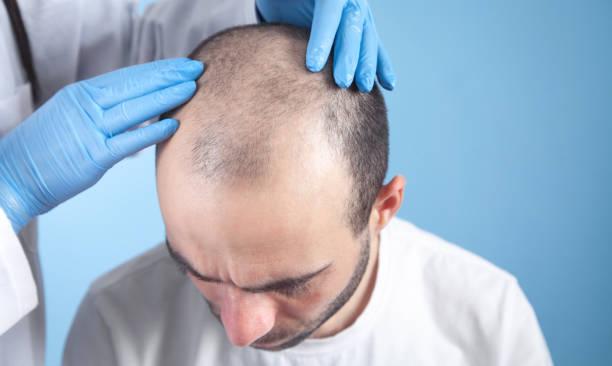
Shock loss is a common concern for patients undergoing hair transplantation. It refers to the temporary shedding of existing hair in and around the transplanted area due to trauma from the procedure. While it is usually temporary, it can be distressing. Understanding what causes shock loss and how to prevent it is crucial for anyone considering a Hair Transplant in Riyadh (راعة الشعر في الرياض).
Understanding Shock Loss
Shock loss occurs when healthy hair follicles around the transplant site enter a resting phase, causing them to shed temporarily. This is a natural reaction to the minor trauma of surgery and does not indicate transplant failure.
Symptoms of Shock Loss
- Thinning around the transplanted area
- Increased hair shedding within the first few weeks
- Usually temporary with regrowth over months
Why It Happens
- Trauma to the scalp during extraction or implantation
- Swelling or inflammation post-surgery
- Stress on existing hair follicles during recovery
Techniques That Minimize Shock Loss
Gentle Extraction and Implantation
Modern techniques like Follicular Unit Extraction (FUE) and precise implantation reduce trauma to the scalp and surrounding hair, minimizing the risk of shock loss.
Proper Planning of Graft Placement
Experienced surgeons plan graft placement strategically to avoid putting excessive stress on existing hair, especially in areas with thinning but not fully bald hair.
Use of Advanced Tools
Robotic-assisted systems, micro-motor implanters, and high-magnification loupes allow precise extraction and placement, reducing unnecessary scalp trauma and protecting nearby follicles.
Post-Transplant Care to Avoid Shock Loss
Avoid Touching or Scratching
Newly transplanted areas are sensitive. Touching, scratching, or picking at the scalp can disturb grafts and trigger shedding of nearby hair.
Gentle Washing Techniques
During the first few weeks, wash hair with lukewarm water and mild shampoos as instructed by your surgeon. Avoid vigorous scrubbing to prevent trauma.
Reduce Swelling and Inflammation
Using cold compresses, prescribed medications, and sleeping with the head elevated can minimize swelling, which in turn reduces stress on surrounding follicles.
Avoid Physical Stress
Refrain from intense exercise, heavy lifting, or activities that strain the scalp during the initial recovery phase. Physical stress can increase the likelihood of shock loss.
Lifestyle Factors That Support Hair Retention
Proper Nutrition
A diet rich in protein, vitamins, and minerals supports follicle health and recovery. Nutrients like biotin, zinc, and iron are particularly important for hair strength.
Avoid Smoking and Alcohol
Smoking reduces blood circulation to the scalp, while alcohol can impact healing and hair follicle survival. Avoiding these substances during recovery improves overall results.
Manage Stress
High stress can trigger hair shedding. Incorporating stress-reducing activities such as meditation, yoga, or light exercise helps maintain healthy hair during recovery.
Long-Term Outlook for Shock Loss
Most shock loss is temporary. Existing hair usually regrows within 2–4 months, while transplanted hair begins to grow steadily after 3–4 months. Patience and proper care during this period are essential for optimal results.
Booking Your Hair Transplant in Riyadh
To minimize risks like shock loss and achieve natural, long-lasting results, proper technique and post-operative care are crucial. The specialists at Royal Clinic Saudia (عيادات رويال كلينك) provide advanced Hair Transplant in Riyadh procedures and guide patients through recovery to protect both transplanted and existing hair. Book your appointment today to restore hair safely and effectively.
FAQs:
What Causes Shock Loss After Hair Transplant?
It is caused by trauma to the scalp and nearby follicles during surgery, leading to temporary shedding of existing hair.
Can Shock Loss Be Prevented Completely?
While minor shedding may occur, careful surgical technique, gentle handling, and proper post-care significantly reduce the risk.
How Long Does Shock Loss Last?
Typically, it lasts 2–4 months. Most hair regrows naturally as follicles recover from the trauma.
Does Hair Texture Affect Shock Loss Risk?
Curly or thick hair may be more resilient, but all hair types benefit from gentle handling and proper post-operative care.

 English
 Arabic
 French
 Spanish
 Portuguese
 Deutsch
 Turkish
 Dutch
Dutch
 Italiano
 Russian
 Romaian
 Portuguese (Brazil)