
Blood Test at Home: What Happens During the Visit
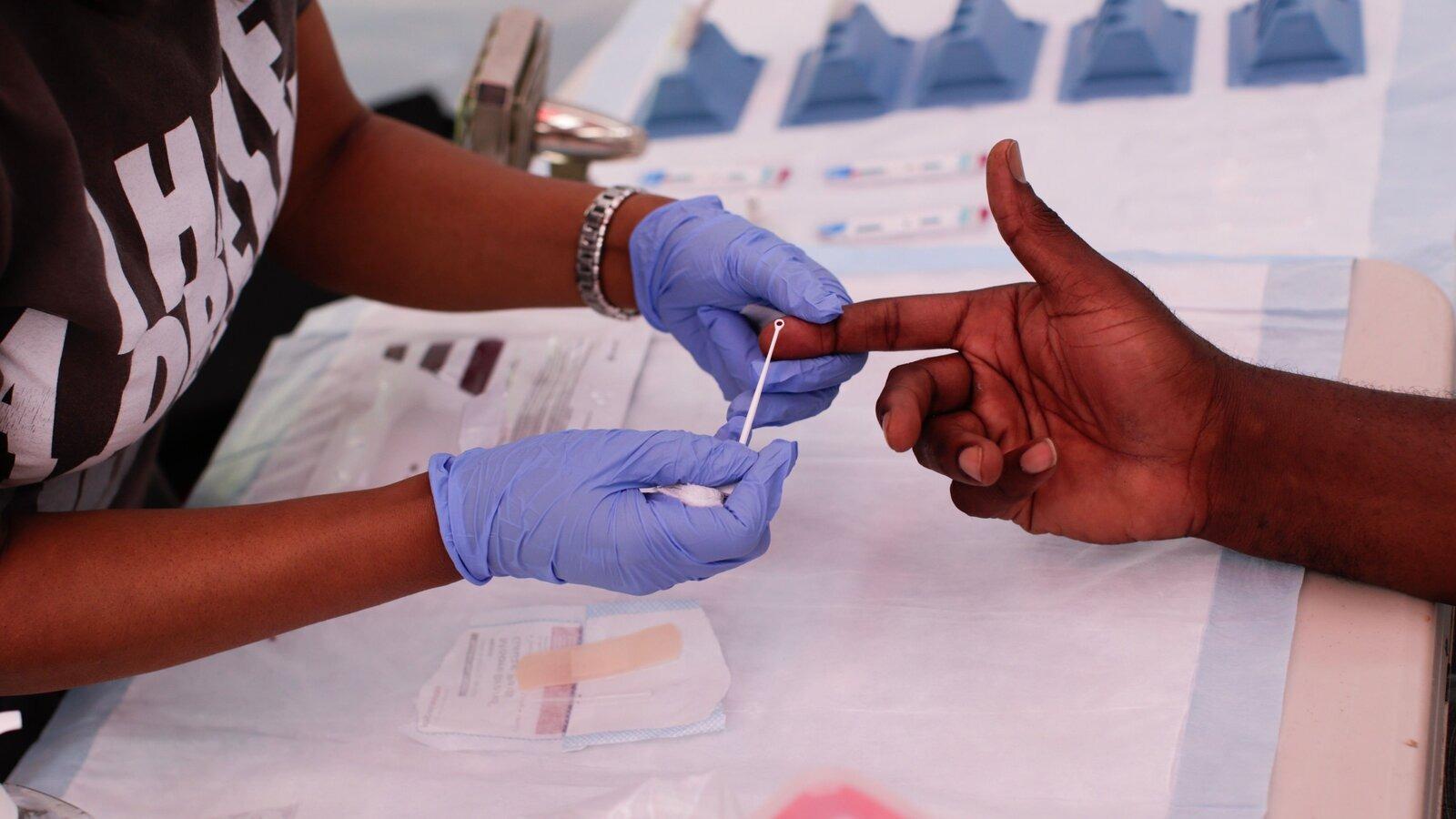
Arranging routine healthcare can be much easier when professional services are available in a familiar environment. Blood test at home allows patients to have blood samples collected by a trained healthcare professional without traveling to a laboratory. For people in Dubai, this convenient approach can reduce travel time and make routine health monitoring easier to fit around work, family commitments, and other daily responsibilities.
Patients who need medical advice before arranging laboratory testing may also consider Doctor at home in Dubai services when appropriate. A qualified doctor can assess health concerns, discuss symptoms, and determine whether blood testing or another investigation may be suitable. This can provide patients with a more convenient way to coordinate medical care from their residence.
What Is a Blood Test at Home Visit?
A Blood test at home visit is a scheduled appointment where a trained healthcare professional comes to the patient's residence to collect a blood sample. The sample is then prepared and transported to a laboratory for analysis.
The actual collection process is generally similar to what happens in a clinic. The main difference is that the patient does not need to travel to the laboratory for sample collection.
Before booking, patients should confirm that the required tests are available through the chosen provider and ask about any preparation requirements.
What Happens Before the Professional Arrives?
The process usually begins when the patient schedules a home collection appointment. Depending on the provider, the patient may need to provide information about the requested tests, personal details, and preferred appointment time.
The provider may also explain whether fasting or another form of preparation is necessary. This is important because preparation requirements can vary considerably between different laboratory investigations.
Patients should follow the instructions provided by the healthcare professional or laboratory rather than relying on general assumptions about blood testing.
Preparing Your Home for the Appointment
There is usually no complicated preparation required for a home blood collection visit. Patients can simply choose a clean, comfortable, and well-lit area where the healthcare professional can work.
It may be helpful to have the laboratory request or test information available. If a doctor has ordered several investigations, providing the complete request can help confirm which samples need to be collected.
Comfortable clothing can also make the appointment easier. Clothing that allows convenient access to the arm is generally practical for blood collection.
What Happens When the Professional Arrives?
When the healthcare professional arrives, they will generally confirm the patient's identity and review the requested tests. This step helps ensure that the correct investigations are performed.
The professional prepares the required collection equipment and identifies a suitable location for collecting the sample. Appropriate hygiene and sample collection procedures are followed throughout the process.
Patients should feel comfortable asking questions if they are unsure about any part of the procedure.
How Is the Blood Sample Collected?
Blood is typically collected from a suitable vein in the arm. The professional prepares the collection area and uses appropriate equipment to obtain the required amount of blood.
The number of collection tubes may depend on how many tests have been requested. Some investigations require different types of samples or specific handling procedures.
After collection, the professional removes the equipment, ensures the collection site is appropriately cared for, and checks that the patient is comfortable.
What Happens to the Sample?
After the blood has been collected, the specimen needs to be correctly identified and prepared for transportation. Proper labeling is an important part of the process because laboratory results must be associated with the correct patient and requested tests.
The sample is then transported to the appropriate laboratory for analysis. Depending on the type of investigation, the laboratory processes the specimen using the relevant testing methods.
The time required for results can vary depending on the type of test and laboratory processing requirements.
Does a Home Blood Test Take Long?
The collection itself is generally a relatively short procedure, although the total appointment time can vary depending on the number of tests, preparation requirements, and individual circumstances.
Patients do not usually need to spend additional time traveling to a laboratory or waiting in a registration area. This is one of the major conveniences of arranging Blood test at home.
For busy professionals and families, reducing these additional steps can make routine healthcare easier to manage.
What Should You Do After Blood Collection?
Most patients can return to their normal activities after routine blood collection unless their healthcare professional provides different instructions.
Some people may feel temporarily light-headed after having blood drawn. If you feel unwell during or after the procedure, inform the healthcare professional and follow their guidance.
Patients should also ask whether there are any specific post-test instructions related to the investigations they have completed.
How Are Blood Test Results Delivered?
Once the laboratory completes the analysis, the results are generally provided through the healthcare provider's established reporting system. Depending on the service, patients may receive results electronically or through another available method.The exact reporting time can vary. Routine tests may be available sooner than specialized investigations that require additional laboratory processing.Patients should ask the provider about expected result delivery times when booking if they need the results by a particular date.
Understanding Your Results
A laboratory report can contain several measurements and reference ranges, which may initially seem difficult to understand. It is important to remember that a result outside a reference range does not automatically confirm a medical condition.Healthcare professionals interpret laboratory findings alongside symptoms, medical history, medications, previous results, and other relevant information.If your results are abnormal, unexpected, or confusing, discuss them with an appropriate healthcare professional rather than trying to make a diagnosis based only on the report.
Why Patients Prefer Home Visits
Convenience is one of the main reasons patients choose home blood collection. The service can reduce travel, waiting, and scheduling difficulties while providing professional sample collection at home.It can also be useful for people who feel more comfortable in their own surroundings. Older adults, busy professionals, caregivers, parents, and people requiring regular monitoring may particularly appreciate this flexibility.However, home testing should be used for appropriate scheduled healthcare needs and should not replace urgent medical treatment.
Choosing a Reliable Provider
When arranging a Blood test at home, patients should choose a reputable healthcare provider that uses trained professionals and follows suitable procedures for collection, identification, handling, transportation, and laboratory analysis.Before scheduling, it is useful to confirm which tests are available, whether preparation is required, how samples are transported, and how results will be delivered.A professional service should provide clear information rather than making unrealistic promises about diagnoses or guaranteed results.
Final Thoughts
Blood test at home can make routine laboratory testing more convenient by bringing professional sample collection directly to the patient's residence. From preparing for the appointment and completing the collection to laboratory processing and receiving results, the process can be straightforward when patients follow the appropriate instructions. For people in Dubai, home blood collection can save time and provide a comfortable alternative to visiting a laboratory. Choosing a reputable provider and discussing results with a qualified healthcare professional can help ensure that testing is used appropriately as part of overall health monitoring.

 English
 Arabic
 French
 Portuguese
 Deutsch
 Turkish
 Dutch
Dutch
 Italiano
 Russian
 Romaian
 Portuguese (Brazil)
 Greek
Greek
