
Teeth Cleaning: Guide to Better Oral Hygiene
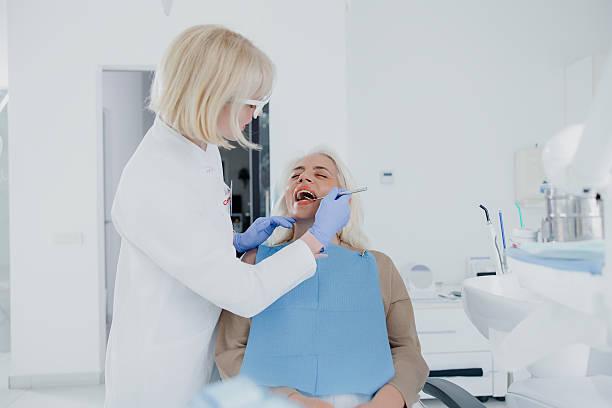
Good oral hygiene is an important part of maintaining healthy teeth and gums throughout life. Brushing and cleaning between the teeth every day help control plaque, but some deposits can remain in difficult-to-reach areas. Teeth Cleaning in Dubai provides professional care that helps remove plaque, tartar, and certain surface stains while supporting a cleaner and healthier mouth.
Professional cleaning works alongside your daily routine rather than replacing it. When regular dental visits are combined with proper home care, patients can create a stronger foundation for long-term oral health.
What Is Oral Hygiene?
Oral hygiene refers to the daily practices used to keep your teeth, gums, tongue, and mouth clean. These practices include brushing, interdental cleaning, maintaining healthy eating habits, and visiting a dental professional for regular examinations and professional cleaning.
Why Daily Care Matters
Plaque develops naturally on the teeth throughout the day. If it is not removed, it can accumulate around the gumline and between teeth. Over time, hardened deposits known as tartar can develop.
Consistent home care helps control soft plaque, while professional dental cleaning helps remove hardened buildup that cannot usually be eliminated with a toothbrush.
The Role of Professional Teeth Cleaning
Professional cleaning is an important part of preventive dentistry. During an appointment, a dental professional can assess the condition of your teeth and gums before removing accumulated deposits.
Scaling is used to remove tartar from tooth surfaces, particularly around the gumline and other areas where buildup is common. Polishing may then be performed to smooth the tooth surfaces and remove some external stains.
The procedure can leave the teeth feeling smoother and cleaner while supporting everyday oral hygiene.
Choosing the Right Dental Clinic
Choosing a professional Dental Clinic is an important step toward maintaining good oral hygiene. A suitable clinic should provide professional dental examinations, safe cleaning procedures, proper infection-control practices, and personalized oral health advice.
Patients should feel comfortable discussing concerns such as tooth sensitivity, bleeding gums, bad breath, plaque buildup, or previous dental problems.
A professional assessment can help determine what type of cleaning and preventive care is suitable for your individual needs.
Brushing Your Teeth Correctly
Make Brushing Part of Your Routine
Brushing twice a day is one of the most important habits for controlling plaque. A soft-bristled toothbrush can help clean the teeth effectively without unnecessarily irritating the gums.
Use fluoride toothpaste and brush gently across the outer, inner, and chewing surfaces of your teeth. Pay particular attention to the gumline and back teeth because these areas can be easy to miss.
Brushing too aggressively is not necessarily better. Gentle, consistent brushing is generally more useful for maintaining a healthy mouth.
Cleaning Between Your Teeth
A toothbrush cannot effectively reach every surface between the teeth. Food particles and plaque can remain in these narrow spaces, making interdental cleaning an important part of oral hygiene.
Supporting Healthier Gums
Cleaning between the teeth regularly can help remove plaque from areas that brushing alone may miss. Depending on your needs, your dentist may recommend dental floss, interdental brushes, or another suitable cleaning method.
Patients with braces, dental bridges, or other dental appliances may need specialized cleaning techniques.
Why Tartar Removal Is Important
Plaque is relatively soft and can often be removed through proper brushing and interdental cleaning. Tartar, however, is hardened and firmly attached to tooth surfaces.
Once tartar develops, attempting to scrape it away at home can damage the teeth or gums. Professional dental instruments are designed to remove these deposits carefully.
Regular professional cleaning can help prevent excessive buildup and make it easier to maintain good oral hygiene between appointments.
Teeth Cleaning and Gum Health
Healthy gums generally appear firm and comfortable around the teeth. Persistent redness, swelling, tenderness, or bleeding can indicate that the gums need professional attention.
Professional cleaning helps remove plaque and tartar around the gumline, but patients experiencing ongoing symptoms should receive a dental evaluation.
Do Not Ignore Gum Bleeding
Occasional bleeding may occur because of irritation or changes in cleaning habits, but frequent or unexplained bleeding should not simply be ignored.
A dentist can examine the gums and determine whether additional treatment or improved oral hygiene techniques are necessary.
Can Cleaning Improve the Appearance of Teeth?
Professional cleaning can make teeth look cleaner by removing surface deposits and certain external stains. Coffee, tea, tobacco, and strongly colored foods can contribute to staining over time.
Scaling and polishing may reduce some of these stains and leave the teeth feeling smoother.
However, professional cleaning does not replace teeth whitening. Whitening is a separate cosmetic treatment designed to lighten the natural color of teeth.
Teeth Cleaning and Fresh Breath
Oral hygiene can also affect breath freshness. Bacteria, plaque, food particles, and tartar may contribute to unpleasant odors when they remain in the mouth.
Regular brushing, interdental cleaning, tongue cleaning, and professional dental care can help maintain a cleaner oral environment.
If persistent bad breath continues despite good oral hygiene, a dental examination can help identify possible causes.
Foods That Support Oral Hygiene
Making Better Everyday Choices
Diet plays an important role in dental health. Frequently consuming sugary foods and drinks can increase exposure to acids that may affect tooth enamel.
Choosing balanced meals and limiting frequent sugary snacks can support healthier teeth. Drinking water throughout the day can also help rinse away food particles and maintain moisture in the mouth.
Good nutrition should complement, not replace, regular brushing and professional dental care.
How Often Should You Have Professional Cleaning?
The ideal frequency varies from one person to another. Some patients may require routine cleaning during regular dental visits, while others may need appointments more frequently because of heavy tartar buildup, gum concerns, orthodontic treatment, or difficulty controlling plaque.
Your dentist can assess your oral health and recommend an appropriate schedule.
Following a personalized cleaning plan can help maintain better oral hygiene without unnecessary treatment.
Common Oral Hygiene Mistakes
Many people brush regularly but still miss important areas. Brushing too quickly, ignoring the gumline, avoiding interdental cleaning, using excessive force, or skipping dental appointments can reduce the effectiveness of an oral hygiene routine.
Another common mistake is waiting for pain before visiting a dentist. Many dental problems can develop without obvious symptoms during their early stages.
Regular examinations allow your dental professional to monitor your teeth and gums before concerns become more difficult to manage.
Maintaining Clean Teeth Between Appointments
Professional cleaning provides a clean starting point, but maintaining that condition depends largely on your daily habits.
Brush consistently, clean between your teeth, use fluoride toothpaste, stay hydrated, and follow the recommendations provided by your dental professional. Replacing a worn toothbrush or toothbrush head regularly can also help maintain effective cleaning.
Small habits performed consistently can have a meaningful effect on long-term oral health.
When Should You See a Dentist?
You should consider scheduling a dental examination if you experience persistent tooth sensitivity, gum bleeding, swelling, bad breath, tooth pain, or visible changes in your mouth.
Professional care is also useful when you notice significant tartar buildup that cannot be removed through normal brushing.
Addressing concerns early can help you understand what is causing them and what type of care may be appropriate.
Final Thoughts
Better oral hygiene comes from combining consistent home care with professional dental support. Regular brushing and interdental cleaning help control everyday plaque, while professional Teeth cleaning removes hardened tartar and certain surface deposits. By maintaining healthy daily habits and attending recommended dental appointments, patients can support cleaner teeth, healthier gums, fresher breath, and a more confident smile for years to come.

 English
 Arabic
 French
 Spanish
 Portuguese
 Deutsch
 Turkish
 Italiano
 Russian
 Romaian
 Portuguese (Brazil)
 Greek
Greek
