
Dental Implants: A Guide to Long-Term Care
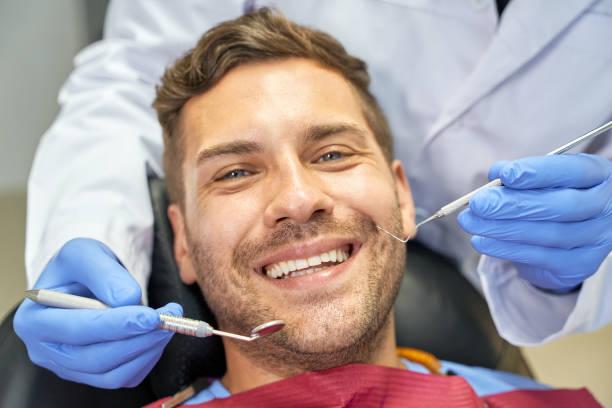
Dental implants are designed to provide a stable solution for missing teeth, but proper care is essential after treatment. Just like natural teeth, the tissues around an implant need regular attention to remain healthy. Dental Implants in Dubai can provide a durable and natural-looking tooth replacement when they are properly planned, maintained, and monitored over time.
Long-term implant care focuses on maintaining healthy gums, controlling plaque, protecting the restoration, and attending regular dental examinations. Good daily habits can make a significant difference in preserving the function and appearance of your implant.
Why Dental Implant Maintenance Matters
An implant itself does not develop tooth decay because it is made from artificial materials. However, the gums and tissues surrounding it can still be affected by plaque and bacteria.
Poor oral hygiene may contribute to inflammation around the implant. If this is not addressed, the supporting tissues can become unhealthy and potentially affect implant stability.
For this reason, implant care should be considered an ongoing part of your oral health routine rather than something that ends once the crown has been fitted.
Daily Oral Hygiene for Dental Implants
Brushing Your Teeth
Regular brushing helps remove plaque from the teeth, gums, and implant restoration. Patients should follow their dentist's recommendations regarding the appropriate toothbrush and brushing technique.
The area around an implant should be cleaned carefully without applying unnecessary pressure. Maintaining clean gums can help reduce the accumulation of bacteria around the restoration.
Brushing twice a day is generally an important part of maintaining overall oral hygiene.
Cleaning Between Teeth
Plaque can accumulate in areas that a regular toothbrush cannot easily reach. Cleaning between teeth is therefore important for patients with dental implants.
Depending on the type and position of the restoration, your dentist may recommend dental floss, interdental brushes, or another specialized cleaning method.
Using the appropriate technique can help keep the spaces around the implant and neighboring teeth cleaner.
Choosing the Right Dental Clinic
Selecting a reliable Dental Clinic for ongoing care is just as important as choosing the right provider for the initial implant procedure. Regular professional examinations allow the dentist to monitor the implant, crown, gums, and surrounding teeth.
During these visits, your dentist can assess the condition of the tissues around the implant and check whether the restoration continues to function properly.
Professional cleaning may also be recommended to remove buildup that is difficult to manage through daily brushing alone.
Schedule Regular Dental Checkups
Monitoring Implant Health
Regular dental appointments are essential for long-term implant maintenance. Even when an implant feels completely comfortable, professional monitoring can help identify early changes that may not be obvious to the patient.
Your dentist may examine the gums, bite, restoration, and surrounding structures during routine visits. Dental imaging may sometimes be recommended when there is a clinical reason to evaluate the supporting bone.
Keeping scheduled appointments provides an opportunity to address potential concerns before they become more complicated.
Protecting Your Implant Restoration
Dental implants are strong, but the restoration attached to an implant can still experience wear over time. Patients should avoid using their teeth to open packages or bite extremely hard objects.
If you regularly grind or clench your teeth, speak with your dentist. Excessive biting forces can place additional stress on dental restorations and the surrounding structures.
In appropriate cases, a protective night guard may be recommended to reduce the effects of nighttime teeth grinding.
The Role of Gum Health
Healthy gums are particularly important for people with implants. The soft tissues surrounding the restoration create a protective environment around the implant area.
Signs such as persistent redness, swelling, bleeding, tenderness, or unusual discomfort should not be ignored. If you notice changes around your implant, contact your dental professional for an evaluation.
Early attention can make it easier to determine the cause and provide appropriate care.
Lifestyle Habits and Implant Care
Avoid Smoking
Smoking can negatively affect oral tissues and may interfere with healing and gum health. Patients with implants should discuss tobacco use with their dentist and follow professional recommendations.
Maintaining healthier lifestyle habits can support the condition of the gums and surrounding oral structures.
Maintain a Balanced Diet
A balanced diet supports general health and provides nutrients needed for healthy tissues. After implant treatment has fully healed, most patients can enjoy a wide range of foods according to their dentist's recommendations.
If a particular food consistently causes discomfort around an implant, it is better to discuss the issue with your dentist rather than continuing to put pressure on the area.
Caring for Different Implant Restorations
Dental implants can support different types of restorations. A single implant may support one crown, while several implants can be used to support a bridge or a full-arch restoration.
The cleaning requirements can vary depending on the design. Patients with larger implant-supported restorations may need specialized cleaning tools to reach areas underneath or around the prosthetic teeth.
Your dental team can demonstrate the most suitable cleaning technique for your particular restoration.
How Long Can Dental Implants Last?
The long-term performance of an implant depends on multiple factors. Oral hygiene, gum health, lifestyle habits, bite forces, restoration quality, and regular professional care can all influence the outcome.
The implant and the visible restoration are separate components, so they may have different maintenance requirements. While implants can be highly durable, crowns and bridges can experience normal wear and may eventually need repair or replacement.
Consistent dental care can help monitor these changes and maintain the restoration for as long as possible.
What Should You Do If You Notice a Problem?
Patients should contact their dentist if they experience persistent pain, swelling, bleeding, unusual sensitivity, difficulty chewing, or movement of the implant restoration.
A change in how the implant or crown feels does not necessarily mean the implant has failed, but it should be professionally evaluated.
Avoid trying to adjust, loosen, or repair the restoration yourself. Professional assessment is the safest way to identify the cause and determine the appropriate solution.
Keeping Your Smile Looking Natural
Long-term care is not only about implant stability. Maintaining the surrounding natural teeth and gums also helps preserve the overall appearance of your smile.
Professional cleanings can remove surface buildup, while regular examinations allow your dentist to monitor changes in tooth color, gum health, and the condition of the restoration.
Good oral hygiene combined with routine professional care can help your implant-supported smile remain clean, comfortable, and natural-looking.
Final Thoughts
Long-term Dental implant care depends on consistent oral hygiene, healthy gums, regular dental checkups, and responsible lifestyle habits. Protecting the restoration and responding quickly to unusual changes can also help maintain its function and appearance. With appropriate professional monitoring and daily care, patients can support the long-term health of their implant and enjoy a confident, comfortable smile.

 Arabic
 French
 Spanish
 Portuguese
 Deutsch
 Turkish
 Dutch
Dutch
 Italiano
 Russian
 Romaian
 Portuguese (Brazil)
 Greek
Greek
