
Tips for Driving in Unfamiliar Areas
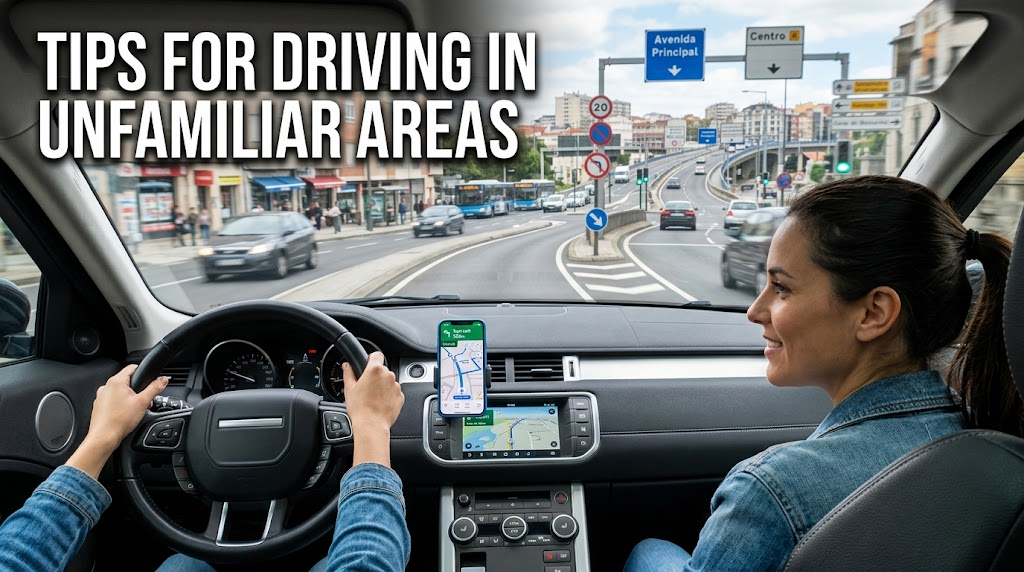
Driving somewhere you have never been before can feel exciting, but it can also be stressful. Whether you are exploring a new city, visiting family in another town, or simply taking a different route to work, unfamiliar roads require extra attention. You may encounter confusing intersections, unexpected lane changes, unfamiliar traffic signs, heavy traffic, or road layouts that are very different from what you normally experience.
The good news is that you do not need to know every road by heart to drive confidently in a new area. Good preparation, careful observation, and calm decision-making can make unfamiliar journeys much easier. For new drivers, Teen driver training Vancouver can also provide valuable practice in navigating different road conditions while developing safe and responsible driving habits.
Plan Your Route Before You Leave
One of the easiest ways to reduce stress when driving somewhere unfamiliar is to plan your route ahead of time. Before starting your trip, check the destination, estimated travel time, major roads, and possible alternative routes.
Using a reliable navigation app can help you understand the general direction of your journey. However, avoid depending completely on turn-by-turn instructions. Take a few moments before leaving to identify major intersections, highways, bridges, exits, and other important landmarks along the route.
If possible, check your route while the vehicle is parked. Trying to study a complicated map while driving can distract you and increase the risk of making a mistake.
Check Traffic and Road Conditions
A route that looks simple on a map may be much more complicated during busy hours. Traffic congestion, construction, accidents, weather, and temporary road closures can all affect your journey.
Check traffic conditions before leaving and give yourself extra time if necessary. Arriving a little late is much safer than rushing because you are worried about being behind schedule.
If your navigation app suddenly suggests a different route, do not make an immediate lane change just because the voice instructions tell you to. Look at the road, check your mirrors and blind spots, signal properly, and change lanes only when it is safe.
Pay Close Attention to Road Signs
Road signs become especially important when you are driving in an unfamiliar area. Even if you have planned your route carefully, signs can tell you about changes that were not shown on your original plan.
Look for:
- Speed limits
- Lane-use signs
- No-turn restrictions
- One-way streets
- Parking restrictions
- School zones
- Pedestrian crossings
- Construction warnings
- Highway entrance and exit signs
Do not wait until the last second to react to a sign. Try to scan the road ahead and read signs early enough to make a safe decision.
Don't Follow Other Drivers Blindly
It is tempting to follow the vehicle ahead when you are unsure about where to go. However, the other driver may be turning somewhere you do not need to go, speeding, or even making an unsafe maneuver.
Use other vehicles as part of your overall awareness, but make your own decisions based on signs, road markings, traffic signals, and navigation instructions.
Stay in the Correct Lane
Unfamiliar roads often have complicated lane arrangements. A road may suddenly become two lanes, merge into a highway, or require drivers to choose a specific lane for an upcoming turn.
Whenever possible, position yourself in the correct lane well before the intersection or exit. Avoid making sudden movements across several lanes.
If you realize you are in the wrong lane, do not panic. Missing a turn is not a serious problem. Continue safely and allow your navigation system to find another route.
Remember: missing a turn is better than making an unsafe turn.
Reduce Your Speed When Necessary
Driving at the posted speed limit does not always mean you need to drive at that exact speed. If the road is unfamiliar, visibility is poor, traffic is heavy, or weather conditions are difficult, you may need to slow down appropriately while remaining within the law.
A slightly slower, controlled pace gives you more time to recognize signs, identify hazards, respond to changing traffic, and understand the road layout.
Avoid driving so slowly that you unnecessarily disrupt traffic, but prioritize having enough time to make safe decisions.
Keep Your Navigation System in a Safe Position
Navigation technology is extremely useful, but it can become a distraction if you constantly look at the screen.
Set your destination before you start driving. If your vehicle has a built-in navigation system, use voice guidance when possible. Keep the screen positioned where you can glance at it briefly without taking your attention away from the road.
Never hold your phone while driving to check directions or change your route. If you need to make adjustments, pull over somewhere safe and legal first.
Learn to Recognize Landmarks
Landmarks can make unfamiliar routes easier to understand. Instead of trying to remember every street name, pay attention to recognizable features such as large buildings, parks, shopping centers, bridges, intersections, or major signs.
For example, you might remember that your destination is just after a large shopping center or that you need to turn shortly after crossing a bridge. These visual references can help you understand where you are without constantly staring at your navigation screen.
Be Extra Careful at Intersections
Intersections can be challenging in unfamiliar areas, especially when there are multiple lanes, dedicated turning signals, unusual road markings, or several signs close together.
Approach intersections carefully and look for traffic signals, lane arrows, stop lines, pedestrians, cyclists, and vehicles approaching from other directions.
If you are unsure whether you can turn, wait and observe. Do not make a maneuver simply because another driver behind you appears impatient.
Watch for Unusual Intersections
Some areas may have roundabouts, traffic circles, complex multi-lane intersections, or roads where traffic patterns differ from what you normally encounter.
If you have never used a particular type of intersection before, learn how it works before reaching it. Understanding the basic rules in advance can prevent confusion when you are behind the wheel.
Watch for Pedestrians and Cyclists
Different neighborhoods can have very different levels of pedestrian and bicycle activity. A quiet suburban road may suddenly become much busier near a downtown area, university, shopping district, or transit station.
Check sidewalks, crosswalks, bike lanes, and intersections regularly. Be especially cautious when passing parked vehicles because pedestrians or cyclists may be hidden from view.
Give vulnerable road users plenty of space and be prepared for them to change direction unexpectedly.
Expect Different Driving Behaviors
When you visit a new area, you may notice that traffic moves differently from what you are accustomed to. Some roads may have more aggressive drivers, while others may have slower traffic or frequent stops.
Do not feel pressured to copy unsafe behavior. Maintain a safe following distance, obey traffic laws, signal your intentions, and stay focused on your own driving.
You cannot control how other people drive, but you can control how you respond to them.
Leave Extra Space Around Your Vehicle
A generous following distance is particularly helpful when you are unfamiliar with the road. Keeping enough space between your vehicle and the one ahead gives you more time to react if traffic suddenly slows.
Avoid driving closely behind another vehicle simply because you are worried about missing a turn. If the vehicle ahead blocks your view of road signs or traffic conditions, increase your distance so you can see more clearly.
Know What to Do If You Get Lost
Even with modern navigation technology, you can still miss an exit or take the wrong turn. Getting lost is not a reason to panic.
If you realize you are going the wrong way, stay calm and continue driving safely until you can find a suitable place to turn around or adjust your route. Never stop suddenly in a travel lane or make an illegal U-turn simply because you missed an instruction.
If you need to stop and figure things out, find a safe parking area or other legal stopping location.
Avoid Distractions
Unfamiliar driving already requires more mental attention, so distractions can become particularly dangerous.
Keep your focus away from:
- Text messages
- Social media
- Eating while driving
- Adjusting complicated vehicle settings
- Searching through bags or belongings
- Unnecessary conversations that take your attention away from the road
If something requires your full attention, pull over safely before dealing with it.
Practice Driving in Different Environments
Confidence comes from experience. If you are learning to drive, do not limit your practice to the same quiet streets every time.
Once you are comfortable with the basics, gradually practice in different environments, such as residential neighborhoods, busy intersections, highways, commercial areas, and roads with different speed limits.
This helps you develop the ability to adapt rather than relying on memorized routes.
Drive During Less Busy Times First
If a particular area feels intimidating, consider practicing there during a quieter period. Once you become familiar with the roads, you can return during busier traffic conditions.
Gradually increasing the difficulty of your driving environment can help you build confidence without overwhelming yourself.
Stay Calm When Other Drivers Make Mistakes
Unfamiliar roads can make you more cautious, but they can also make you nervous when another driver behaves unpredictably.
If someone cuts you off, misses a signal, or changes lanes suddenly, avoid responding aggressively. Slow down if necessary, create additional space, and let the situation pass.
Safe driving is not about proving who is right. It is about getting to your destination safely.
Take a Few Minutes to Prepare Before Every New Trip
You do not need an elaborate plan for every journey. A simple routine can make a significant difference.
Before leaving, ask yourself:
- Where am I going?
- What route am I taking?
- Are there traffic or construction issues?
- Where are the major turns and exits?
- Are there any unusual intersections?
- Do I have enough time to reach my destination without rushing?
- Is my navigation system ready?
These few checks can help you start your journey with a clearer idea of what to expect.
Final Thoughts
Driving in an unfamiliar area becomes much easier when you prepare ahead, stay observant, and give yourself enough time to make decisions. You do not have to know every street or get every turn right. What matters most is staying calm, following road signs, maintaining a safe speed and distance, and never allowing navigation instructions or pressure from other drivers to encourage unsafe decisions.
With regular practice and the right guidance, unfamiliar roads can become opportunities to build confidence and improve your overall driving skills. If you are looking for structured instruction and practical experience, Benche Driving School can help learners develop the awareness and decision-making skills needed to handle a variety of real-world driving situations safely.

 English
 Arabic
 French
 Portuguese
 Deutsch
 Turkish
 Dutch
Dutch
 Italiano
 Russian
 Romaian
 Portuguese (Brazil)
 Greek
Greek
