
Hepatitis B Test in Dubai: Understanding HBsAg and Other Markers
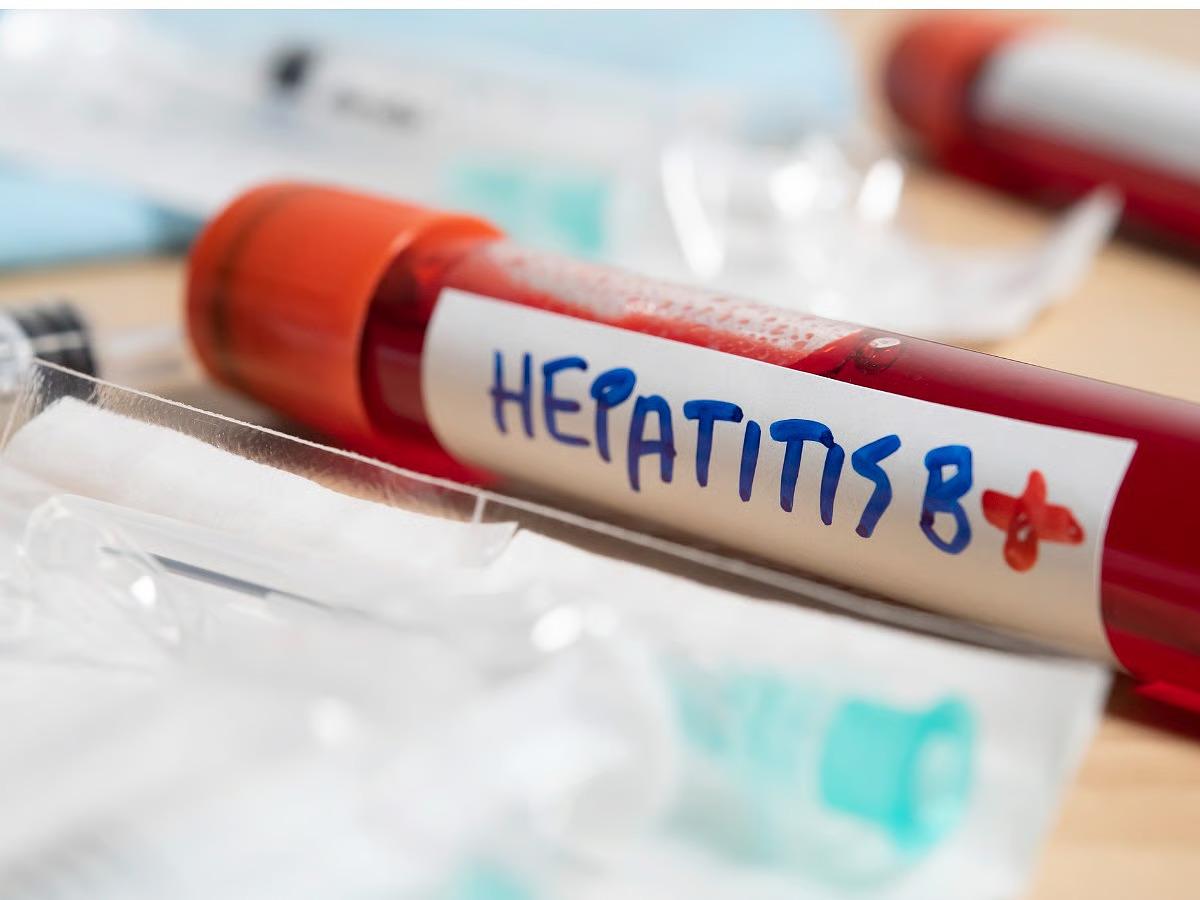
Hepatitis B testing uses several blood markers to determine whether a person has a current infection, previous exposure, or immunity. Among these markers, HBsAg is one of the most important because it can indicate the presence of hepatitis B infection. A Hepatitis B Test in Dubai may include HBsAg together with other markers to give doctors a clearer understanding of a person's hepatitis B status.
What Is HBsAg?
HBsAg stands for hepatitis B surface antigen. It is a protein associated with the surface of the hepatitis B virus and is one of the primary markers used when screening for current hepatitis B infection.
When HBsAg is detected in the blood, it generally indicates that hepatitis B infection is present. However, the result does not by itself provide all the information needed to determine the stage or duration of the infection.
Doctors may therefore request additional hepatitis B markers and other laboratory tests when HBsAg is positive.
Why HBsAg Is Important
HBsAg is commonly used because it can provide evidence of current infection. It may be detected during an acute infection and can also remain present when an infection becomes chronic.
A positive result should be evaluated by a healthcare professional who can consider the person's symptoms, medical history, previous results, and other hepatitis B markers.
What Does a Negative HBsAg Result Mean?
A negative HBsAg result generally means that the surface antigen was not detected in the blood sample.
This can be reassuring, particularly when appropriate testing has been performed at a suitable time. However, a negative result soon after a possible exposure may not completely exclude infection because detectable markers can take time to appear.
Why Testing Timing Matters
The timing of testing is especially important following a recent exposure. If testing occurs too early, HBsAg may not yet be detectable.
If you have recently had a possible exposure, tell your healthcare provider when it happened. Depending on the circumstances, repeat or additional testing may be recommended.
Other Important Hepatitis B Markers
HBsAg is only one part of hepatitis B testing. Doctors may also examine anti-HBs and anti-HBc to better understand the patient's infection and immunity status.
These markers provide different types of information and are often interpreted together.
Anti-HBs
Anti-HBs refers to antibodies against hepatitis B surface antigen. The presence of these antibodies can indicate immunity.
Anti-HBs may develop after successful hepatitis B vaccination or following recovery from a previous hepatitis B infection. Other test results help determine which explanation is more likely.
A positive anti-HBs result alone does not generally indicate an active hepatitis B infection.
Anti-HBc
Anti-HBc refers to antibodies against the hepatitis B core antigen. This marker can indicate previous or current exposure to hepatitis B.
Unlike anti-HBs, anti-HBc is not produced solely as a result of vaccination. Doctors therefore use it as part of the broader hepatitis B testing pattern.
In certain circumstances, IgM anti-HBc may be used to help evaluate a recent or acute infection.
Why Doctors Combine Hepatitis B Markers
Hepatitis B test results can be difficult to understand when individual markers are viewed separately. A combination of results can provide much more useful information.
For example, a person may have HBsAg detected, indicating current infection, while another person may have anti-HBs without HBsAg, suggesting immunity rather than active infection.
The complete pattern is therefore important when interpreting a hepatitis B blood report.
Understanding Different Result Patterns
A positive HBsAg generally indicates current infection. A positive anti-HBs generally indicates immunity, while anti-HBc can provide evidence of previous or current exposure.
However, results can sometimes produce less straightforward patterns. In such cases, doctors may request additional testing or repeat certain markers to clarify the situation.
Can Vaccination Affect Hepatitis B Test Results?
Yes, vaccination can influence certain hepatitis B antibody results. A successful hepatitis B vaccination can lead to the development of anti-HBs antibodies.
This does not mean that the person has an active hepatitis B infection. HBsAg and other markers can help distinguish immunity from current infection.
When attending a hepatitis B screening appointment, informing your healthcare provider about your vaccination history can make result interpretation easier.
Additional Tests After HBsAg Detection
If HBsAg is detected, doctors may recommend additional laboratory testing depending on the circumstances. These tests can include other hepatitis B markers, liver-related blood tests, or HBV DNA testing.
HBV DNA testing can provide information about the presence and activity of the virus. Liver tests can help assess whether there is evidence of liver inflammation or injury.
Not everyone with a positive HBsAg result will require exactly the same investigations. The appropriate testing plan depends on the individual's clinical situation.
The Role of Liver Enzyme Testing
ALT and AST are commonly measured when doctors are assessing liver health. Abnormal levels can indicate liver injury or inflammation, although they can also be affected by many other conditions.
For this reason, liver enzyme results should be interpreted alongside hepatitis B markers and other medical information.
Can Hepatitis B Be Present Without Symptoms?
Yes. Hepatitis B can sometimes occur without noticeable symptoms, particularly in certain stages of infection.
When symptoms occur, they may include tiredness, nausea, reduced appetite, abdominal discomfort, dark urine, or yellowing of the skin and eyes. These symptoms are not specific to hepatitis B, so blood testing is important when infection is suspected.
Routine or risk-based screening can sometimes identify infection before a person notices any symptoms.
What Happens During HBsAg Testing?
HBsAg testing generally requires a small blood sample collected from a vein. The sample is sent to a laboratory where it is analyzed using an appropriate testing method.
The blood collection process usually takes only a few minutes. Preparation requirements depend on the overall testing panel, although HBsAg testing itself generally does not require fasting.
Once the results are available, a healthcare professional can explain what they mean in relation to other markers.
When Should You Consider Hepatitis B Screening?
Testing may be recommended after a possible exposure to infected blood or body fluids, when symptoms suggest possible hepatitis, during pregnancy as part of recommended screening, or when a healthcare professional determines that screening is appropriate.
People without symptoms can also have hepatitis B, which is why screening may be useful in appropriate circumstances.
If you believe you have recently been exposed, seek medical advice promptly rather than waiting for symptoms to appear.
How to Understand Your Hepatitis B Report
A laboratory report may contain abbreviations such as HBsAg, anti-HBs, anti-HBc, or HBV DNA. Results can be described as positive, negative, reactive, or non-reactive depending on the laboratory and test.
The meaning of each result depends on the specific marker and the other findings in the report. A healthcare professional can help explain whether the results suggest current infection, previous exposure, immunity, or the need for additional evaluation.
Conclusion
HBsAg is one of the most important markers used to detect current hepatitis B infection, but it is not the only marker that doctors may consider. A Hepatitis B Test in Dubai can include HBsAg, anti-HBs, anti-HBc, and additional investigations when necessary. Understanding these markers together provides a clearer picture of hepatitis B infection, previous exposure, and immunity. If your results are positive, negative, or unclear, discussing the complete report with a qualified healthcare professional can help you understand what the findings mean and whether further testing is appropriate.

 English
 Arabic
 French
 Spanish
 Portuguese
 Deutsch
 Turkish
 Dutch
Dutch
 Italiano
 Russian
 Romaian
 Portuguese (Brazil)
