
Hair Transplant for Asian Hair Types: Texture-Specific Strategies
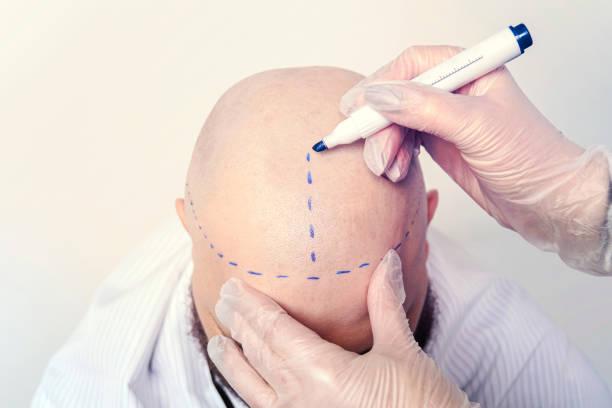
Asian hair often stands out with its unique traits—thicker shafts, straighter textures, and coarser follicles—that make hair transplant procedures both rewarding and intricate. Unlike finer European hair, Asian strands demand specialized techniques to ensure natural density and seamless integration. hair transplant texture-specific strategies, helping you understand how experts tailor hair transplant for optimal, undetectable results. Whether you're battling thinning or bald spots, discovering these approaches can transform your hair restoration journey into a confident success.
Why Asian Hair Requires Customized Hair Transplant Approaches
Asian hair types vary widely, from silky straight Japanese locks to wavy Indian curls, each influencing graft survival and growth patterns. Straight, coarse hair resists bending, complicating angle matching during implantation. Thicker caliber means fewer grafts cover more area, but poor planning leads to unnatural clumping. Surgeons prioritize follicle selection from donor zones like the nape, which mimic recipient texture best. By addressing these nuances, hair transplant achieves fuller, flowing results that blend effortlessly with existing hair, boosting your satisfaction.
Key Texture-Specific Strategies in Hair Transplant
Follicle Selection and Harvesting Techniques
Precision starts with choosing the right tools for extraction. Follicular Unit Extraction (FUE) shines for Asian hair, using tiny punches to harvest 1-4 hair follicles without linear scars. For coarse textures, wider punches prevent transection, preserving shaft integrity. Surgeons assess caliper thickness pre-op, selecting uniform donor grafts to match temple or crown areas. This method minimizes trauma, promoting 90%+ survival rates tailored to resilient Asian follicles.
Implantation Angles and Density Optimization
Asian hair grows flatter, so implantation mimics natural 20-40 degree angles for realism. Manual implanters allow micro-adjustments, planting grafts at varying depths to avoid the "pluggy" look. Density targets 40-60 grafts per square centimeter, balancing coverage without overharvesting. For wavy subtypes, slight curling tools during placement enhance post-growth flow, creating soft, dynamic hairlines that move naturally in the wind.
Scalp and Skin Considerations for Asians
Asian scalps tend to be oilier with tighter pores, affecting graft adhesion. Pre-op exfoliation and LED therapy prep the site, reducing inflammation. Post-op, medicated shampoos combat sebum buildup, fostering quicker anchoring. These adaptations cut healing time by weeks, ensuring transplanted follicles thrive amid unique skin microbiomes.
Step-by-Step Hair Transplant Process for Asian Textures
Consultation and Planning Phase
Your journey begins with digital imaging and trichoscopy to map hair characteristics. Experts simulate outcomes, customizing graft numbers—often 2,500-4,000 for moderate cases—based on texture. Discuss lifestyle factors like humidity, which impacts straight Asian hair straightness.
Surgery Day Execution
Under local anesthesia, harvesting takes 2-4 hours, followed by precise incisions. Asian-focused teams use sapphire blades for minimal trauma on dense scalps, implanting in sessions to maintain graft viability.
Recovery and Growth Timeline
Expect shedding at week 2, with new growth from month 3. By year 1, 80% density emerges. Tailored serums with peptides support coarse strands, accelerating the "awkward phase" many dread.
Benefits and Realistic Expectations
Hair transplant for Asian hair restores not just coverage but cultural confidence—think sleek ponytails or voluminous updos. Results last a lifetime since DHT-resistant follicles defy balding. Patients rave about boosted self-image, with 95% reporting higher satisfaction in studies. Set expectations: full maturity takes 12-18 months, but early peeks motivate. Combine with minoxidil for hybrid vigor.
Common Myths Debunked for Asian Hair Transplant
Myth: Asian hair doesn't take well to transplants. Truth: High success stems from texture-matched strategies. Myth: Scars are inevitable. Truth: FUE leaves dot-like invisibility. These clarifications empower informed choices, dispelling doubts.
Ready to explore personalized options? Book an appointment consultation clinic like 'Enfield Royal Riyadh' for expert guidance tailored to your Asian hair.
Long-Term Maintenance for Lasting Results
Post-transplant, UV protection and silk pillowcases preserve straightness. Annual check-ins fine-tune growth. Lifestyle tweaks like biotin-rich diets amplify vitality, ensuring your investment shines for decades.
FAQs
Can hair transplant work for very coarse Asian hair?**
Absolutely—specialized FUE handles thickness, achieving natural density without clumping.
How long until I see results on straight Asian hair?**
New growth starts at 3-4 months, full texture by 12 months with proper care.
Is FUE better than FUT for wavy Asian textures?**
Yes, FUE avoids linear scars, ideal for shorter hairstyles common in Asian grooming.
Can I style transplanted Asian hair right away?**
Gentle styling from week 4; full versatility returns at 6 months.

 English
 Arabic
 French
 Spanish
 Deutsch
 Turkish
 Dutch
Dutch
 Italiano
 Russian
 Romaian
 Portuguese (Brazil)
 Greek
Greek