
Spain OTC Drugs: What Is Shaping Consumer Demand Today
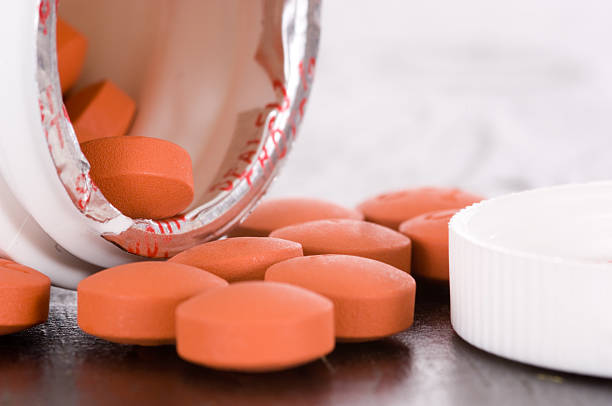
Spain’s over-the-counter healthcare landscape is being shaped by changing consumer habits, an aging population, greater awareness of preventive care, and continued reliance on pharmacies for medicine guidance. OTC products support everyday self-care for common conditions such as coughs, colds, digestive discomfort, minor pain, skin concerns, and nutritional needs, making the segment closely connected with routine healthcare behavior.
The Spain OTC Drugs Market is also evolving as consumers seek convenient and effective self-care options. A detailed Spain OTC pharmaceutical analysis by MarkNtel Advisors evaluates product categories, distribution channels, end users, regional dynamics, and the factors influencing demand through 2032.
Several forces are contributing to this changing landscape. Consumer expectations around convenience and formulation quality are increasing, while pharmacies continue to provide an important link between OTC products and responsible self-medication. At the same time, manufacturers are responding to demand for new delivery formats, natural ingredients, and products aligned with preventive health routines.
An Aging Population Supports Self-Care Demand
Demographic change is an important structural factor for Spain’s OTC drugs landscape. The country has a relatively large older population, creating recurring requirements for products used to manage mild or recurring health concerns. Pain relief, digestive remedies, vitamins, and other self-care products can become increasingly relevant as consumers look for convenient ways to manage everyday symptoms.
An aging population also places greater importance on responsible medication use. OTC products are not simply consumer goods; their use requires appropriate information about dosage, interactions, contraindications, and duration. Spain’s healthcare framework places emphasis on rational medicine use and professional involvement in pharmaceutical care. The Spanish Ministry of Health guidance on pharmaceutical dispensing highlights the professional role of pharmacists in providing information and advice for medicines authorized without prescription.
Cold and Cough Remedies Remain Important
Product demand varies significantly by therapeutic need and season. According to the MarkNtel Advisors analysis, cold and cough remedies represented the leading product category, accounting for about 32% of the Spain OTC drugs landscape in 2025. Seasonal respiratory conditions contribute to periodic increases in demand for decongestants, throat products, fever remedies, and other common treatments.
Seasonality, however, creates operational challenges. Pharmacies and manufacturers must prepare for periods of higher consumption while avoiding excessive inventories when demand falls. Forecasting becomes particularly important for products with defined shelf lives, as an imbalance between winter demand and off-season consumption can influence purchasing, inventory management, and supply-chain efficiency.
Pharmacies Remain the Main Distribution Channel
Pharmacies and drugstores continue to occupy a central position in Spain’s OTC distribution structure. The source analysis indicates that pharmacies and drugstores represented approximately 68% of the distribution channel in 2025. Their role extends beyond product availability because pharmacists can provide guidance on appropriate product selection and responsible use.
This channel structure also reflects the importance of regulation in Spain’s pharmaceutical ecosystem. Official Spanish health authorities maintain detailed information on pharmaceutical consumption and medicine use across the healthcare system, supporting monitoring and analysis of medicine utilization.
Online retail is nevertheless becoming increasingly relevant as consumers become more accustomed to digital purchasing. The expansion of online pharmacy services can improve convenience, although medicines remain subject to regulatory requirements designed to protect consumers. Digital channels therefore complement rather than immediately replace the established role of physical pharmacies.
Advanced Formulations Are Changing Product Expectations
Product innovation is another factor influencing the competitive environment. Consumers increasingly value formulations that are convenient to administer and suitable for fast-paced lifestyles. The Spain OTC drugs analysis highlights growing interest in advanced delivery systems, including soft-gel capsules, orodispersible tablets, combination formats, and once-daily products.
These developments can influence purchasing decisions by improving ease of use and perceived convenience. For manufacturers, formulation innovation also provides an opportunity to differentiate products within established therapeutic categories. The emphasis is gradually shifting from simply providing a treatment option toward offering formats that better fit consumer preferences while maintaining safety and regulatory compliance.
Natural and Herbal Products Gain Attention
Interest in natural, herbal, and clean-label healthcare products is another notable development. Consumers who prioritize preventive health and wellness may increasingly consider plant-based remedies, vitamins, digestive products, and immunity-oriented solutions alongside conventional OTC medicines.
This shift does not eliminate the importance of pharmaceutical efficacy or regulatory oversight. Instead, it creates a broader self-care ecosystem in which consumers evaluate products through several factors, including perceived safety, ingredient transparency, convenience, sustainability, and professional recommendations. Pharmacies can play an important role in helping consumers distinguish between appropriate self-care products and treatments requiring professional medical attention.
Catalonia Holds a Significant Regional Position
Regional concentration is another defining characteristic of Spain’s OTC drugs ecosystem. Catalonia held the largest regional share at approximately 21% in 2025, according to the MarkNtel Advisors study. Its established pharmaceutical manufacturing base, research capabilities, and industrial infrastructure contribute to its importance within Spain’s broader pharmaceutical supply network.
The regional structure is relevant because manufacturing capacity, research activity, distribution infrastructure, and healthcare demand can influence how pharmaceutical products move through the domestic supply chain. Madrid also remains an important center for corporate, regulatory, and healthcare-related activities, creating a complementary role within the national pharmaceutical ecosystem.
What the Outlook Means for the Sector
MarkNtel Advisors estimates that the Spain OTC Drugs Market was valued at approximately USD 2.31 billion in 2025 and is projected to reach USD 2.94 billion by 2032, representing a projected CAGR of 5.24% during 2026–2032. The outlook reflects the combined influence of demographic change, preventive healthcare awareness, product innovation, pharmacy-led distribution, and evolving consumer preferences.
Overall, Spain’s OTC drugs landscape is developing around a balance between consumer convenience and responsible healthcare use. Aging demographics can support recurring demand, while seasonal respiratory conditions influence product cycles. Pharmacies remain central to distribution and guidance, whereas digital channels and advanced formulations are gradually expanding the ways consumers access self-care products. The sector’s future direction will depend on how effectively manufacturers, pharmacies, regulators, and consumers respond to these changing expectations.

 English
 Arabic
 French
 Spanish
 Portuguese
 Deutsch
 Dutch
Dutch
 Italiano
 Russian
 Romaian
 Portuguese (Brazil)
 Greek
Greek
