
Boost Confidence with Effective Hair Transplant Strategies for Men
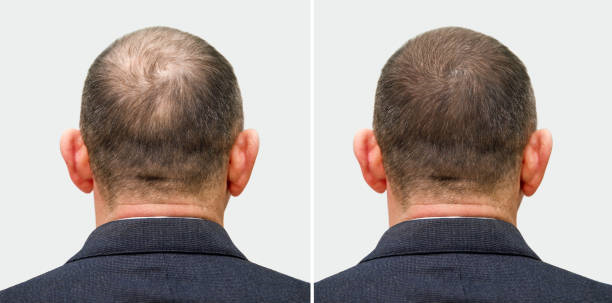
Hair loss affects millions of men worldwide, often leading to diminished self-esteem and reluctance in social situations. Hair Transplant in Riyadh offers a reliable solution, restoring natural hairlines and boosting confidence through proven strategies tailored for male pattern baldness.
Understanding Male Hair Loss Patterns
Male pattern baldness, or androgenetic alopecia, typically begins with a receding hairline and thinning at the crown. This genetic condition impacts over 50% of men by age 50, driven by dihydrotestosterone (DHT) sensitivity in hair follicles. Hair Transplant procedures directly address these patterns by relocating resistant follicles from donor areas like the back of the scalp.
Early intervention preserves more native hair, enhancing transplant outcomes. Men notice progressive thinning in their 20s or 30s, making awareness crucial for timely action. Strategies focus on Norwood scale stages, ensuring personalized restoration plans.
Genetic and Hormonal Factors
Genetics play the primary role, inherited from either parent, with DHT shrinking follicles over time. Hormonal shifts during puberty accelerate this process in predisposed individuals. Lifestyle factors like stress amplify progression, but Hair Transplant bypasses these by using DHT-resistant grafts.
Lifestyle Influences on Hair Thinning
Poor diet, smoking, and lack of exercise exacerbate follicle miniaturization. Nutrient deficiencies in iron, zinc, and biotin weaken hair health. Adopting balanced habits supports transplant success, maintaining graft vitality post-procedure.
Types of Hair Transplant Techniques
Modern Hair Transplant methods include Follicular Unit Extraction (FUE) and Follicular Unit Transplantation (FUT), both effective for men seeking natural density. FUE involves individual follicle removal, ideal for minimal scarring, while FUT harvests a strip for higher graft yields in advanced baldness.
Choosing the right technique depends on donor hair availability and balding extent. FUE suits active lifestyles with short hairstyles, offering quicker recovery. Both deliver permanent results, with grafts growing naturally within months.
FUE: Precision Follicle Extraction
Surgeons use micro-punches to extract follicles, minimizing trauma. This method excels in Hair Transplant for detailed hairline design, ensuring undetectable results. Patients resume normal activities swiftly, appreciating the scar-free appeal.
FUT: Strip Harvesting for Density
FUT provides more grafts per session, perfect for extensive coverage. The linear scar hides under longer hair, preserving styling options. Advanced closure techniques reduce visibility, making it viable for many men.
The Hair Transplant Procedure Step-by-Step
A Hair Transplant session starts with scalp analysis and design, followed by donor area preparation. Local anesthesia ensures comfort, with extraction and implantation taking 4-8 hours under magnification for precision placement.
Post-design, technicians sort grafts by quality. Implantation mimics natural angles, achieving seamless integration. Patients leave with a bandaged scalp, ready for home recovery.
Consultation and Planning Phase
Initial assessments evaluate donor density and expectations. Digital imaging simulates outcomes, aligning visions with feasibility. This step builds trust, outlining realistic timelines for full results.
Surgery Day Experience
Sterile environments and sedation promote relaxation. Teams collaborate for efficiency, implanting 1,000-4,000 grafts based on needs. Monitoring ensures safety throughout.
Recovery Timeline and Aftercare Tips
Recovery from Hair Transplant spans 7-14 days for initial healing, with shedding at week 2 followed by new growth from month 3. Swelling subsides quickly; most return to work within days using gentle care.
Aftercare involves gentle washing, avoiding sun exposure, and using prescribed topicals. Silk pillows reduce irritation, while hydration supports healing. Full density emerges by year one.
Immediate Post-Op Care
Apply ice packs to minimize swelling; sleep elevated first nights. Refrain from scratching to protect grafts. Mild discomfort fades with over-the-counter relief.
Long-Term Maintenance Strategies
Minoxidil and low-level laser therapy sustain results alongside Hair Transplant. Regular trims maintain aesthetics. Annual check-ins monitor progress.
Benefits of Hair Transplant for Men's Confidence
Hair Transplant restores a youthful appearance, significantly uplifting self-image. Men report improved social interactions and career confidence post-procedure. Natural results eliminate unnatural looks, blending seamlessly with existing hair.
Psychological gains include reduced anxiety over appearance. Studies show higher life satisfaction scores after restoration. Permanent solution eliminates ongoing treatments.
Psychological Impact of Restoration
Addressing baldness counters societal biases favoring full hair. Enhanced facial framing boosts perceived attractiveness. Confidence surges translate to bolder personal and professional pursuits.
Natural and Permanent Outcomes
Grafts maintain lifelong growth, resistant to further loss. Density matches native hair, defying close inspection. This durability justifies investment in Hair Transplant.
Who Is an Ideal Candidate for Hair Transplant?
Prime candidates for Hair Transplant are men aged 25+ with stable hair loss patterns and sufficient donor hair. Good health, non-smokers, and realistic expectations fare best. Progressive balding may require phased approaches.
Contraindications include uncontrolled scalp conditions or insufficient density. Comprehensive health reviews ensure suitability.
Assessing Donor Hair Quality
Thick, healthy back-of-scalp hair indicates strong candidacy. Density above 40 follicles/cm² supports viable yields. Elastic scalps aid FUT success.
Realistic Expectation Setting
Counseling clarifies 60-80% density restoration potential. Patience yields optimal growth. Educated patients achieve highest satisfaction.
Common Myths About Hair Transplant Debunked
Myth: Hair Transplant looks "pluggy." Reality: Modern micro-grafts prevent this, yielding feathery hairlines. Another: Dolls hair grows immediately—no, shock loss precedes regrowth.
Pain is minimal with anesthesia; results aren't temporary. Addressing misconceptions empowers informed decisions.
Myth: Transplants Always Fail
Success rates exceed 90% with skilled execution. Proper aftercare ensures longevity. Failures stem from poor planning, not the procedure itself.
Myth: Only for Celebrities
Accessible to everyday men, Hair Transplant democratizes restoration. Varied patient profiles showcase versatility.
Advancements in Hair Transplant Technology
Robotic systems like ARTAS enhance FUE precision, reducing human error. Stem cell therapies and PRP injections accelerate growth in Hair Transplant cases. AI-driven designs optimize angles for hyper-realism.
These innovations shorten recovery and boost graft survival. Future integrations promise even denser, faster results.
Robotic Assistance Benefits
Automated extraction maintains consistency, ideal for intricate zones. Fatigue-free precision elevates outcomes.
Regenerative Adjuncts
PRP nourishes follicles, enhancing take rates. Emerging exosomes may redefine recovery speeds.
Ready to reclaim your confidence? Schedule a Hair Transplant consultation at Enfield Royal Saudi today and discover personalized strategies for lasting results.
Frequently Asked Questions
1. What Is a Hair Transplant?
A Hair Transplant relocates healthy follicles to balding areas, promoting natural regrowth for permanent coverage.
2. How Long Does Hair Transplant Recovery Take?
Initial healing occurs in 7-10 days, with full results visible after 12 months of progressive growth.
3. Is Hair Transplant Painful?
Local anesthesia ensures minimal discomfort during the procedure; post-op sensations are mild and manageable.
4. Can Hair Transplant Fix Receding Hairlines?
Yes, precise implantation recreates natural hairlines, effectively addressing male pattern recession.
5. Who Performs Hair Transplant Procedures?
Experienced surgeons specializing in follicular extraction and implantation handle Hair Transplant cases.
6. Are Hair Transplant Results Permanent?
Absolutely—transplanted follicles resist DHT, providing lifelong natural hair growth.

 English
 French
 Spanish
 Portuguese
 Deutsch
 Turkish
 Dutch
Dutch
 Italiano
 Russian
 Romaian
 Portuguese (Brazil)
 Greek
Greek