
Dental CBCT Scan: Is It Safe?
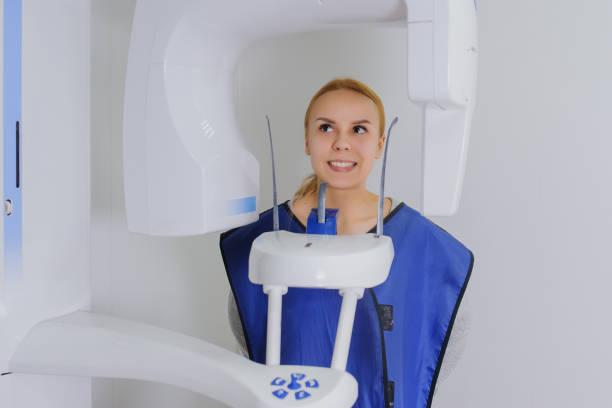
A Dental CBCT Scan in Dubai is a modern imaging method that helps dentists view teeth, jawbones, nerves, and surrounding structures in detailed 3D. Like other X-ray-based imaging techniques, CBCT uses radiation, but the amount is carefully controlled and generally kept as low as reasonably achievable. Dentists recommend this type of scan when the additional information can provide meaningful value for diagnosis or dental planning. Understanding how CBCT works can help patients feel more comfortable before their appointment.
Why Is Radiation Used in CBCT Imaging?
CBCT stands for Cone Beam Computed Tomography. It uses a focused X-ray beam that rotates around the patient's head to capture multiple images. Specialized computer software then combines these images to create a three-dimensional view of the mouth and jaw.
The radiation allows the scanner to capture structures that may not be visible clearly through a standard dental examination. This can be especially useful when a dentist needs to assess bone levels, tooth roots, impacted teeth, or the position of important anatomical structures.
Although radiation exposure is part of the process, dental professionals carefully consider whether a CBCT scan is necessary before recommending it.
Choosing the Right Dental Clinic
Selecting an experienced Dental Clinic is an important part of having safe and appropriate dental imaging. A professional clinic should use modern equipment, follow established radiation-safety practices, and ensure that scans are performed only when clinically useful.
The dental team should also ask about your medical and dental history before the scan. Sharing relevant information allows the dentist to determine whether CBCT imaging is appropriate for your specific situation.
How Much Radiation Does a CBCT Scan Use?
Radiation exposure from a CBCT scan can vary considerably depending on the scanner, settings, field of view, and type of examination. A limited scan covering a small area may involve considerably less radiation than a larger scan.
Modern dental imaging systems are designed with dose-reduction features. Dentists generally select the smallest field of view and lowest suitable exposure settings that can provide the information needed for the examination.
This is why patients should not assume that every CBCT scan has the same radiation level. The actual exposure depends on the specific scan and equipment being used.
Why Do Dentists Recommend CBCT Imaging?
A dentist may recommend CBCT when conventional dental X-rays do not provide enough information. The three-dimensional images can show the relationship between teeth, bone, nerves, and other structures from different angles.
CBCT can be particularly useful for evaluating complex dental conditions, planning implant placement, examining impacted teeth, assessing jaw structures, and investigating certain oral problems. It can also help dentists understand anatomy more precisely before performing procedures.
The purpose is not simply to obtain more images. Instead, the scan should provide information that can help the dental professional make a more informed clinical decision.
Is CBCT Safe for Children?
Children are generally more sensitive to radiation than adults, so dental imaging should be carefully justified. A dentist may recommend CBCT for a child when the expected diagnostic benefit outweighs the potential radiation risk.
When imaging is necessary, dental professionals can use appropriate exposure settings and limit the scanned area whenever possible. Parents should feel comfortable asking why a CBCT scan is needed and whether another imaging method could provide sufficient information.
Is CBCT Safe During Pregnancy?
If you are pregnant or think you may be pregnant, tell your dentist before undergoing any X-ray-based examination. Dental professionals can then consider whether imaging should be postponed or whether it is necessary at that time.
When dental imaging is clinically important during pregnancy, appropriate precautions and dose-minimization techniques are considered. The decision should always be based on the individual circumstances and the urgency of obtaining diagnostic information.
What Happens During a CBCT Scan?
During the scan, you may be asked to stand or sit in a designated position while the machine rotates around your head. You will usually need to remain still so that the images are clear.
The scanner does not normally require the patient to be placed inside a narrow enclosed tunnel. The imaging process itself is generally quick, and the dental professional will provide instructions throughout the procedure.
How Long Does the Scan Take?
The actual image acquisition usually takes only a short amount of time, although the complete appointment may take longer because of positioning and preparation. Staying still during the scan is important because movement can affect image quality.
Your dentist or imaging professional will explain what you need to do before the scanner begins.
Is There Any Pain or Discomfort?
A CBCT scan is generally painless. There are no needles involved, and the imaging process itself does not usually cause physical discomfort.
Some patients may feel slightly uncomfortable while keeping their head in one position, but the scan is typically completed quickly. If you have concerns about the procedure, discussing them with the dental team beforehand can make the experience easier.
How Does CBCT Compare With Traditional X-Rays?
Traditional dental X-rays provide useful two-dimensional views and remain an important part of routine dental care. CBCT, however, creates three-dimensional images that can provide more detailed information about certain structures.
This does not mean CBCT is always better or necessary. Standard X-rays may be completely appropriate for many routine examinations. CBCT is generally selected when three-dimensional information is expected to provide additional clinical value.
How Can Patients Prepare?
Most patients do not require extensive preparation for a CBCT scan. You may be asked to remove items such as jewelry, glasses, or other objects that could interfere with imaging.
It is important to follow the instructions provided by your dental team and inform them about pregnancy or any relevant medical circumstances before the scan.
What Happens After the Scan?
Once the images are captured, a dentist or qualified professional reviews them to identify relevant findings. The results can then be considered alongside your symptoms, clinical examination, and other dental records.
Your dentist will explain any findings that are important to your oral health and discuss the next appropriate steps based on your individual needs.
Final Thoughts
A Dental CBCT Scan is considered a valuable imaging option when three-dimensional information is clinically necessary. Although it uses X-rays, modern dental practices focus on appropriate use and radiation-dose reduction. Choosing an experienced Dental Clinic and following professional guidance can help ensure that the scan is performed safely and effectively.

 English
 Arabic
 French
 Spanish
 Portuguese
 Deutsch
 Turkish
 Dutch
Dutch
 Italiano
 Romaian
 Portuguese (Brazil)
 Greek
Greek
