Mini gastric bypass surgery is a commonly performed bariatric procedure designed to support significant and sustainable weight loss while improving obesity related health conditions. Although the procedure itself is an important step, the recovery period plays an equally important role in achieving safe healing and long term results. Understanding what to expect after surgery can help patients follow their recovery plan with greater confidence.
For people considering Mini Gastric Bypass Surgery in Islamabad, knowing how to recover properly can make the post surgery experience smoother and more comfortable. Recovery generally involves gradual dietary progression, regular movement, adequate hydration, prescribed medications, follow up appointments, and long term lifestyle changes. Every patient has a different recovery journey, so recommendations from the treating bariatric team should always take priority.
What Is Mini Gastric Bypass Surgery
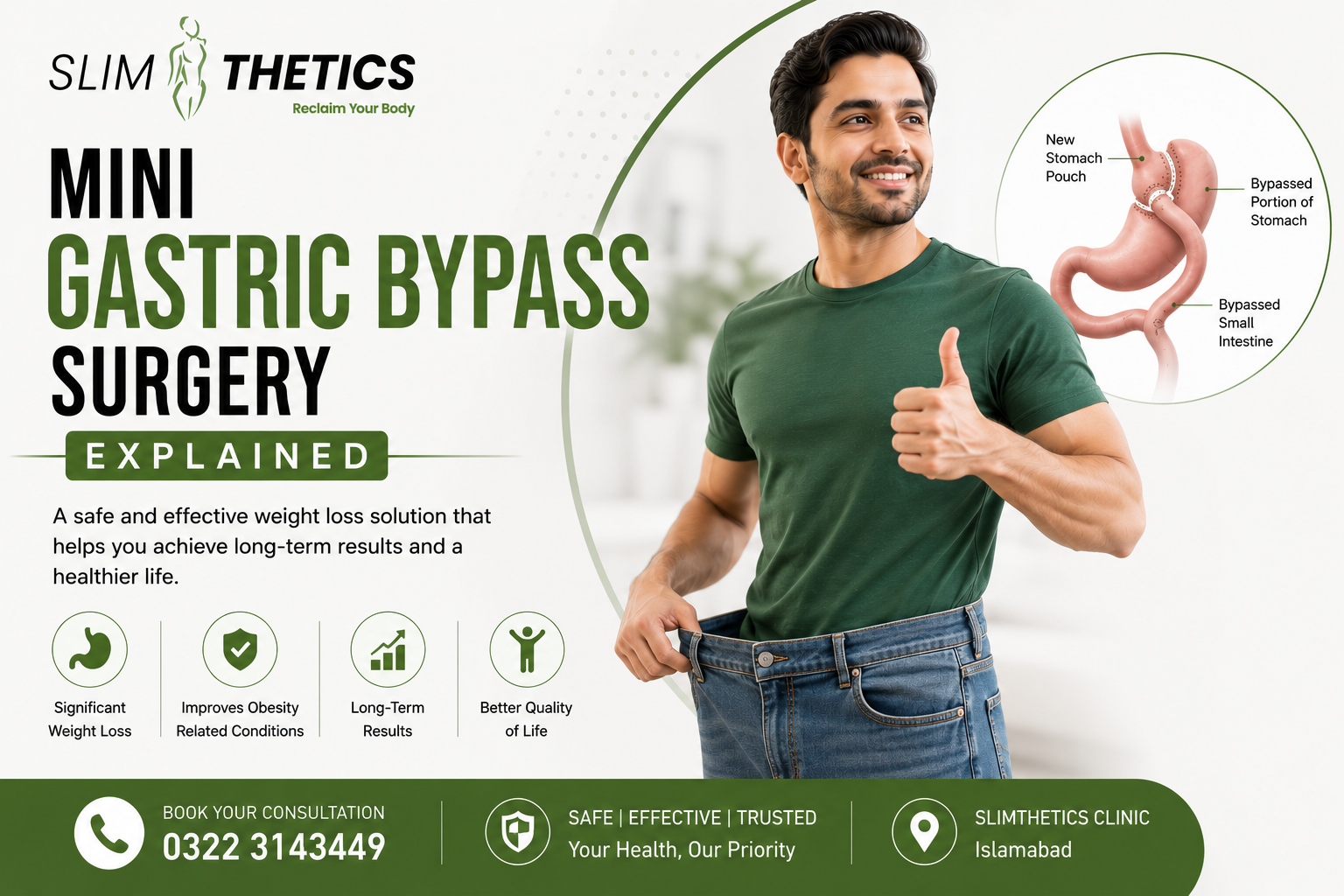
Mini gastric bypass in Islamabad, also known as one anastomosis gastric bypass, is a bariatric procedure that combines stomach restriction with changes in nutrient absorption.
How the Procedure Works
During surgery, the surgeon creates a smaller stomach pouch and connects it to a section of the small intestine. This allows patients to feel full after eating smaller portions while also changing how food travels through the digestive system.
Key points include:
- Creates a smaller stomach pouch
- Helps reduce food intake
- Alters part of the digestive pathway
- Can support substantial weight loss
- May improve certain obesity related medical conditions
The procedure is usually performed using minimally invasive laparoscopic techniques, which may allow smaller incisions and a faster recovery compared with traditional open surgery.
Mini Gastric Bypass Recovery Timeline
Recovery differs from one patient to another. Your surgeon will provide personalized instructions based on your health, surgical technique, and progress.
First Few Days After Surgery
The first few days focus primarily on monitoring, hydration, pain control, and gradual movement.
Patients may experience:
- Mild abdominal discomfort
- Tiredness and weakness
- Temporary nausea
- Changes in bowel habits
- Reduced appetite
- Discomfort around the incision sites
Walking for short periods, as advised by your medical team, is usually encouraged because gentle movement supports circulation and reduces prolonged inactivity.
First Two Weeks
During the first couple of weeks, your body is focused on healing. Most patients need to follow a carefully structured liquid or soft diet according to their surgeon and dietitian's instructions.
Important recovery priorities include:
- Drink fluids regularly
- Follow the prescribed diet
- Take medications as directed
- Keep surgical wounds clean
- Avoid strenuous activities
- Attend scheduled follow up appointments
Weeks Three to Six
As healing progresses, the diet is generally advanced gradually. Patients may begin introducing more textured foods under professional guidance.
At this stage, patients often focus on:
- Increasing physical activity gradually
- Meeting daily protein requirements
- Maintaining adequate hydration
- Practicing slow and mindful eating
- Following vitamin and supplement recommendations
Recovery Tips for Faster Healing
Following your postoperative instructions carefully can support a safer and more comfortable recovery.
1. Follow Your Post Surgery Diet
Your stomach and digestive system need time to adapt after mini gastric bypass. Eating the wrong foods too early can cause discomfort and interfere with recovery.
Your diet may progress through different stages, such as:
- Clear liquids
- Full liquids
- Pureed foods
- Soft foods
- Regular bariatric friendly foods
Never advance your diet faster than recommended by your bariatric team.
2. Stay Properly Hydrated
Hydration is one of the most important aspects of recovery. Because your stomach capacity is significantly reduced, drinking large amounts at once may be difficult.
Try to:
- Take small sips throughout the day
- Follow your medical team's fluid recommendations
- Prioritize approved calorie free fluids
- Avoid drinking too quickly
- Monitor for signs of dehydration
Signs such as very dark urine, dizziness, extreme weakness, or inability to keep fluids down should be discussed with your healthcare provider.
3. Prioritize Protein
Protein supports tissue repair and helps preserve lean muscle during rapid weight loss.
Protein rich foods may be gradually introduced as permitted by your dietitian.
Examples can include:
- Low fat dairy products
- Eggs
- Lean poultry
- Fish
- Approved protein supplements
Your individual protein target should be determined by your bariatric healthcare team.
4. Start Walking Gradually
You may be encouraged to walk soon after surgery. Walking does not mean intense exercise. Short and frequent walks are generally more appropriate during the early recovery period.
Benefits of gradual movement include:
- Supporting circulation
- Reducing prolonged inactivity
- Improving mobility
- Supporting recovery
- Helping patients gradually return to normal activities
Avoid heavy lifting and strenuous workouts until your surgeon confirms that they are safe.
5. Take Prescribed Medications Correctly
Your surgeon may prescribe medications to control pain, prevent complications, manage stomach related symptoms, or address other individual needs.
Important precautions include:
- Follow the prescribed dosage
- Do not stop medications without medical advice
- Ask before taking over the counter medicines
- Inform your doctor about all existing medications
Some medicines may require special consideration after bariatric surgery, so always consult your healthcare provider before making changes.
Foods to Avoid During Recovery
Certain foods and drinks may be difficult to tolerate during the early recovery period or may interfere with long term weight management.
Depending on your treatment plan, you may be advised to avoid:
- Sugary drinks
- Carbonated beverages
- Fried foods
- Highly processed foods
- Very fatty foods
- Large portions
- Foods that are difficult to chew
Alcohol should also be discussed with your medical team because bariatric surgery can change how the body processes alcohol.
Eat Slowly and Chew Thoroughly
After mini gastric bypass, eating habits become just as important as food selection.
Why Slow Eating Matters
The smaller stomach pouch means that large or quickly eaten meals can cause discomfort.
Develop better eating habits by:
- Taking small bites
- Chewing food thoroughly
- Eating slowly
- Stopping when you feel comfortably full
- Avoiding distractions while eating
- Following portion recommendations
Learning these habits early can make the transition to long term bariatric eating easier.
Vitamins and Supplements After Surgery
Mini gastric bypass can affect nutrient absorption, making nutritional monitoring especially important.
Your healthcare provider may recommend supplements based on your individual nutritional needs and laboratory results.
Commonly monitored nutrients may include:
- Iron
- Vitamin B12
- Folate
- Vitamin D
- Calcium
- Other essential vitamins and minerals
Do not choose supplements randomly or assume that a standard multivitamin is sufficient. Your bariatric team should determine what you need and monitor your nutritional status over time.
Follow Up Appointments Are Essential
Postoperative appointments allow your medical team to evaluate healing, nutrition, weight loss, and possible complications.
During follow up visits, your healthcare provider may assess:
- Incision healing
- Weight loss progress
- Dietary tolerance
- Hydration
- Nutritional status
- Medication requirements
- Physical activity
- Overall recovery
Regular follow up also gives patients an opportunity to ask questions and discuss any changes they have noticed.
Warning Signs After Mini Gastric Bypass
Although many patients recover without major problems, certain symptoms require prompt medical attention.
Contact Your Medical Team If You Experience
- Persistent vomiting
- Severe or worsening abdominal pain
- Difficulty keeping fluids down
- High fever
- Significant bleeding
- Shortness of breath
- Chest pain
- Severe dizziness or weakness
- Signs of infection around an incision
Do not attempt to manage serious symptoms yourself. Contact your surgeon or seek urgent medical care when necessary.
When Can You Return to Normal Activities
The timeline for returning to work and normal activities depends on your procedure, occupation, overall health, and recovery progress.
Returning to Work
People with desk based jobs may return sooner than those whose work involves physical activity. Your surgeon can provide individualized guidance based on your healing.
Returning to Exercise
Physical activity is gradually increased after surgery. Initially, walking is generally the focus. More demanding exercises should only be introduced after receiving clearance from your medical team.
How to Maintain Long Term Results
Surgery is a powerful tool for weight management, but long term results depend on maintaining healthy habits.
Build Sustainable Lifestyle Habits
Successful long term management may involve:
- Eating balanced meals
- Prioritizing protein
- Staying hydrated
- Exercising regularly
- Taking recommended supplements
- Attending follow up appointments
- Monitoring weight changes
- Managing emotional or stress related eating
The goal is not simply to lose weight quickly but to develop sustainable habits that support your health for years to come.
Mini Gastric Bypass Surgery in Islamabad
Choosing an experienced bariatric team is an important part of your surgical journey. Patients considering Mini Gastric Bypass Surgery in Islamabad should look beyond the procedure itself and evaluate the quality of consultation, surgical expertise, nutritional support, postoperative monitoring, and long term follow up.
What to Consider Before Choosing a Clinic
Before undergoing surgery, ask about:
- Bariatric surgeon experience
- Surgical facility and safety standards
- Preoperative assessment
- Dietitian support
- Postoperative monitoring
- Follow up schedule
- Emergency support
- Total treatment costs and inclusions
A detailed consultation allows your healthcare team to determine whether mini gastric bypass is appropriate for your individual health needs.
Frequently Asked Questions
How long does recovery take after mini gastric bypass surgery
Initial recovery may take several weeks, although the exact timeline varies between patients. Most people gradually return to normal activities as healing progresses and their surgeon provides clearance.
When can I eat normal food after mini gastric bypass
Patients usually progress through different dietary stages before returning to regular bariatric friendly foods. The timing should be determined by your surgeon and dietitian.
Can I exercise after mini gastric bypass surgery
Yes, physical activity is generally reintroduced gradually. Walking may begin early, while strenuous exercise and heavy lifting should wait until your healthcare provider confirms that they are safe.
Will I need vitamins after mini gastric bypass
Many patients require lifelong vitamin and mineral supplementation following gastric bypass. Your healthcare provider will determine the appropriate supplements and monitor your nutritional levels.
Is mini gastric bypass suitable for everyone
No. Eligibility depends on factors such as BMI, obesity related health conditions, previous weight loss attempts, medical history, and overall health. A qualified bariatric surgeon should evaluate each patient individually.
Start Your Weight Loss Journey With Professional Guidance
Mini gastric bypass surgery can be an important step toward meaningful weight loss and improved health, but successful recovery requires commitment to proper nutrition, hydration, gradual activity, supplementation, and ongoing medical follow up.
At Slimthetics Clinic, patients considering Mini Gastric Bypass Surgery in Islamabad can receive comprehensive bariatric care from initial assessment through postoperative recovery and long term weight management. With professional surgical guidance, nutritional support, and personalized follow up, the focus remains on helping each patient move toward safer, healthier, and more sustainable weight loss.


 English
 Arabic
 French
 Spanish
 Deutsch
 Turkish
 Dutch
Dutch
 Italiano
 Russian
 Romaian
 Portuguese (Brazil)
 Greek
Greek
