
Trusted Orthopedic Surgeon For Complete Care
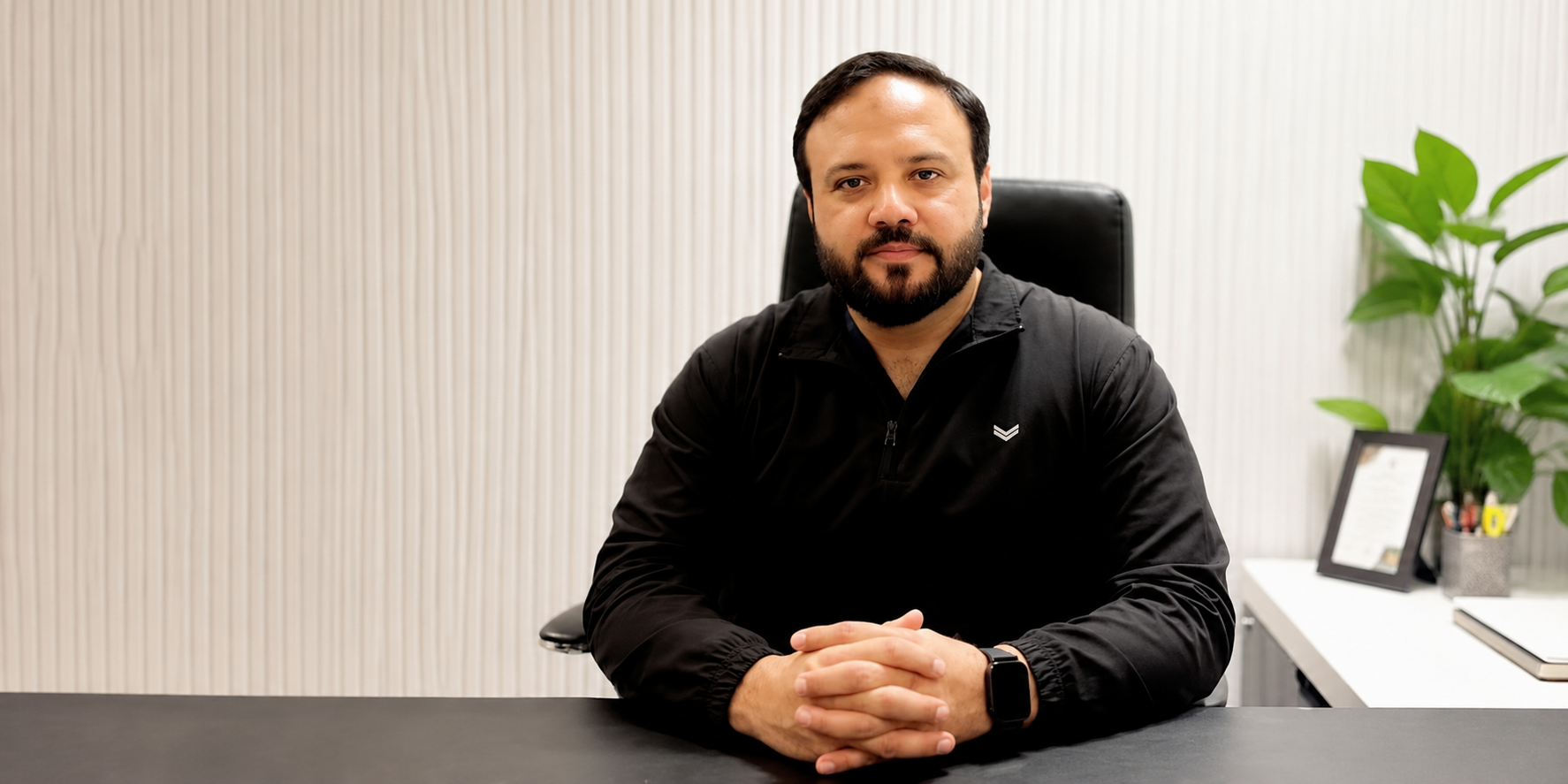
Orthopedic health affects how comfortably people move, work, exercise, and enjoy everyday activities. From sudden sports injuries to ongoing joint discomfort, musculoskeletal problems can interfere with quality of life when left unaddressed. Consulting the Best orthopedic surgeon in Islamabad can help patients understand the cause of their symptoms and explore suitable treatment options. A trusted orthopedic specialist focuses on accurate diagnosis, personalized care, and appropriate recovery strategies to support better movement and long-term physical function.
What Complete Orthopedic Care Means:
Complete orthopedic care involves more than treating pain after an injury. It includes evaluating the underlying problem, developing an appropriate treatment plan, monitoring progress, and supporting rehabilitation when necessary.
Orthopedic specialists manage conditions involving bones, joints, muscles, ligaments, tendons, and other structures responsible for movement. Their care may range from non-surgical treatments and rehabilitation to surgical procedures when they are medically appropriate.
A comprehensive approach helps patients understand their condition and participate actively in their recovery. Rather than focusing only on immediate symptoms, the goal is to address the factors affecting mobility and physical function.
Common Orthopedic Conditions:
People seek orthopedic care for many different reasons. Common concerns include arthritis, fractures, ligament injuries, tendon problems, sports injuries, joint stiffness, and persistent musculoskeletal pain.
Knee, shoulder, hip, ankle, wrist, and elbow problems can develop following an injury or gradually because of repetitive stress and age-related changes. Some conditions may cause obvious symptoms, while others initially appear as mild discomfort that becomes more noticeable over time.
Because similar symptoms can have different causes, professional evaluation is important. An orthopedic specialist can assess the affected area and determine which diagnostic and treatment approaches may be appropriate.
Why Accurate Diagnosis Matters:
Effective orthopedic treatment begins with understanding the actual cause of a patient's symptoms. During an appointment, the surgeon may discuss the patient's medical history, previous injuries, daily activities, and specific symptoms.
A physical examination can provide information about movement, strength, swelling, stability, and tenderness. Depending on the condition, diagnostic imaging or other tests may also be recommended.
Accurate diagnosis reduces the risk of treating the wrong problem. It allows the orthopedic specialist to develop a treatment plan that is appropriate for the patient's condition, lifestyle, and recovery objectives.
Personalized Treatment Plans:
Every patient has different orthopedic needs. Age, activity level, occupation, previous injuries, general health, and personal goals can influence the recommended treatment.
Some conditions may improve with conservative management, including physical therapy, activity modification, medication, or supportive devices. Other problems may require injections or surgical treatment.
A personalized treatment plan gives patients a clearer understanding of their options. It also allows treatment to be adjusted when progress does not occur as expected.
Patients should feel comfortable asking questions about their diagnosis and treatment. Understanding the reasons behind a recommendation can make it easier to follow the recovery plan and maintain realistic expectations.
The Importance Of Non-Surgical Treatment:
Surgery is not automatically required for every orthopedic condition. Depending on the diagnosis, conservative care may provide significant benefits.
Physical therapy can help improve muscle strength, flexibility, balance, and joint function. Activity modification may reduce stress on an affected area while allowing the body time to recover.
Other non-surgical approaches may also be considered based on individual circumstances. The appropriate treatment should be determined by a qualified healthcare professional after evaluating the patient's condition.
Conservative treatment can sometimes help patients avoid unnecessary procedures while still working toward improved mobility and comfort.
When Orthopedic Surgery May Be Needed:
Some orthopedic conditions require surgical intervention, particularly when there is substantial structural damage or when conservative treatment has not provided adequate improvement.
The decision to undergo surgery should follow a detailed evaluation. Patients should understand why the procedure is being recommended, what benefits may be expected, possible risks, available alternatives, and how long rehabilitation could take.
An experienced orthopedic surgeon should explain the procedure in understandable terms and answer questions before treatment. This communication helps patients make informed decisions about their healthcare.
Rehabilitation As Part Of Complete Care:
Recovery does not necessarily finish when a procedure is completed or pain begins to decrease. Rehabilitation can be an essential part of restoring movement, strength, coordination, and confidence.
Depending on the condition, rehabilitation may include stretching, strengthening exercises, balance activities, mobility training, and gradual return to normal activities.
Following a structured rehabilitation plan can help patients progress safely. However, recovery should not be rushed. Returning to demanding physical activity too soon may place unnecessary stress on healing tissues.
Regular follow-up appointments allow the healthcare team to monitor progress and make adjustments when necessary.
Supporting Orthopedic Health Through Lifestyle:
Daily habits can contribute to long-term musculoskeletal health. Regular physical activity helps maintain muscle strength and flexibility, while appropriate exercises can support the joints.
Low-impact activities such as walking, swimming, and cycling may be suitable for many individuals. Strength exercises can also be useful when performed correctly and according to personal ability.
Maintaining a healthy body weight can reduce mechanical stress on weight-bearing joints. Adequate rest and recovery are also important, especially for athletes and people whose jobs involve physical activity.
Nutrition plays a supporting role as well. A balanced diet provides essential nutrients needed for general bone, muscle, and tissue health.
Preventing Orthopedic Injuries:
Although injuries cannot always be prevented, certain habits may reduce avoidable risks. Warming up before exercise, using correct techniques, and increasing workout intensity gradually can help the body adapt to physical demands.
Athletes should use appropriate protective equipment and avoid suddenly increasing training volume. People performing physical work should pay attention to lifting techniques and posture.
Rest is another important part of injury prevention. Repeatedly exercising through significant pain may worsen an existing problem. Listening to the body and seeking professional advice when symptoms persist can support safer activity.
Choosing A Trusted Orthopedic Surgeon:
Selecting an orthopedic surgeon is an important decision. Patients should consider professional qualifications, relevant experience, treatment expertise, communication, and the ability to provide individualized care.
A good consultation should allow patients to discuss their symptoms and understand the available treatment options. Patients should also feel comfortable asking about recovery timelines, rehabilitation, potential complications, and alternatives.
Trust and communication can make the treatment experience more positive. When patients understand their care plan, they are often better prepared to participate in recovery and follow professional recommendations.
The Value Of Long-Term Orthopedic Care:
Orthopedic health should be viewed as an ongoing aspect of overall wellness. Even after successful treatment, maintaining strength, flexibility, and healthy movement habits can help support long-term mobility.
Patients with previous injuries may benefit from continuing appropriate exercises and avoiding activities that place excessive strain on vulnerable areas. Regular professional guidance may also be useful when symptoms return or physical demands change.
For people interested in additional healthcare and wellness services, JJ Medics can be explored as a healthcare resource. However, ongoing joint, bone, muscle, or mobility concerns should always be evaluated by an appropriately qualified orthopedic professional.
Conclusion:
Complete orthopedic care combines accurate diagnosis, individualized treatment, rehabilitation, preventive guidance, and appropriate follow-up. Whether a patient is dealing with an injury, joint condition, or ongoing mobility concern, professional orthopedic evaluation can help identify suitable ways to manage the problem.
Choosing a trusted orthopedic surgeon allows patients to receive care based on their specific condition rather than a general approach. With appropriate treatment, consistent rehabilitation, healthy lifestyle habits, and informed decision-making, patients can work toward better movement and long-term musculoskeletal health.

 English
 Arabic
 French
 Spanish
 Portuguese
 Deutsch
 Turkish
 Dutch
Dutch
 Russian
 Romaian
 Portuguese (Brazil)
 Greek
Greek
