
Blood Sugar Test and HbA1c: What’s the Difference
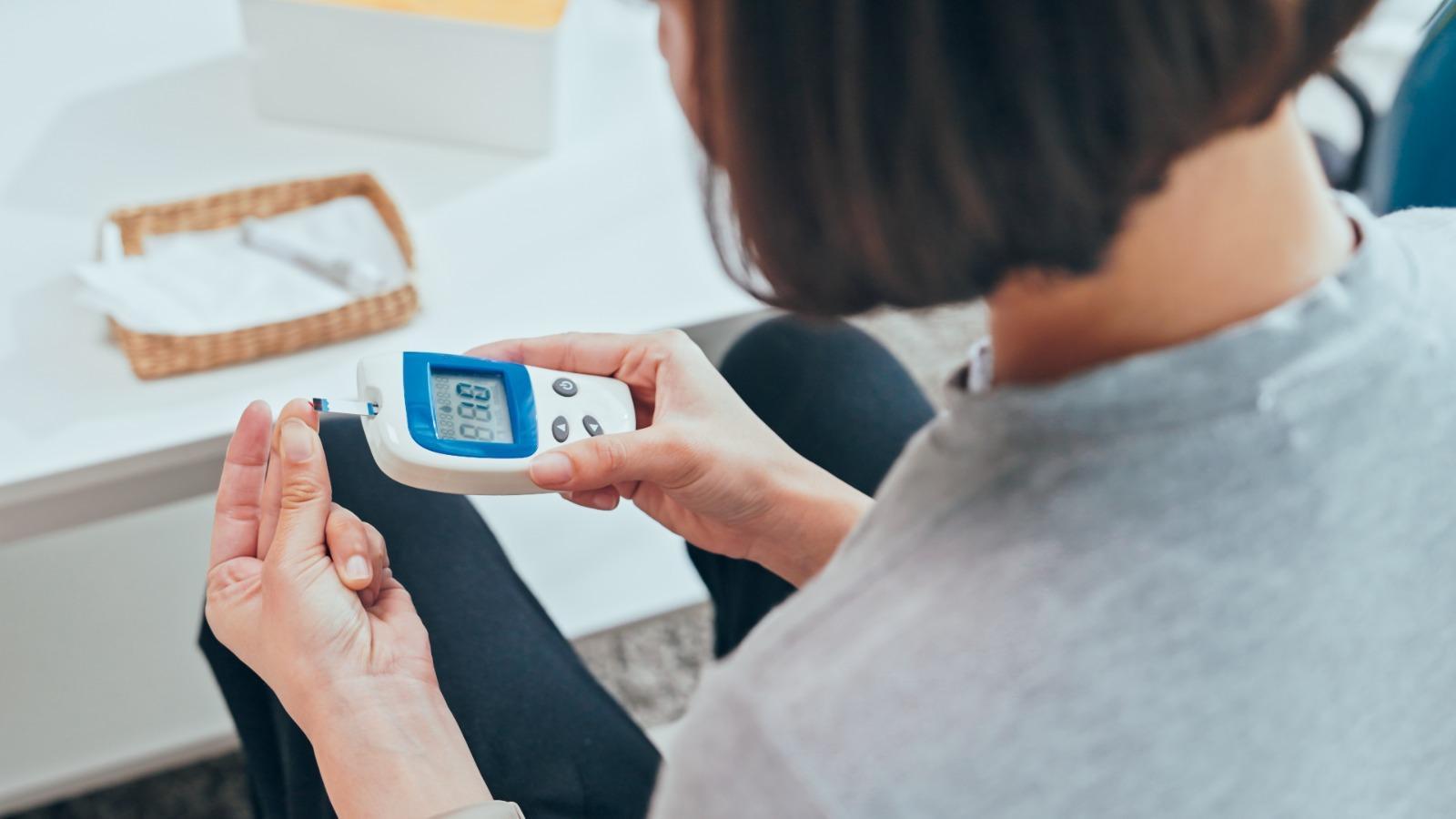
A Blood Sugar Test measures the amount of glucose in the blood at a particular point in time. It is commonly used to screen for diabetes, investigate symptoms, or monitor glucose levels. Because blood sugar naturally changes throughout the day, the timing and circumstances of testing can influence the result.
For people arranging healthcare services, a Blood test in Dubai may include glucose testing when recommended as part of routine screening or diabetes evaluation. HbA1c is another commonly used test, but it provides different information. Understanding how these tests differ can help explain why a healthcare professional may recommend one test or use both.
What Is a Blood Sugar Test?
A Blood Sugar Test directly measures glucose in a blood sample.
The sample can be collected under different conditions depending on the type of test. Fasting glucose is measured after a specified period without food, while random glucose can be measured at different times without fasting.
Because glucose levels respond to meals, physical activity, stress, illness, and other factors, the timing of a standard glucose measurement is important.
What Is HbA1c?
HbA1c, also called glycated hemoglobin, provides an estimate of average blood glucose over approximately the previous two to three months.
Instead of measuring glucose at one particular moment, HbA1c reflects the amount of glucose that has attached to hemoglobin in red blood cells over their lifespan.
This makes HbA1c useful for assessing longer-term glucose patterns.
Blood Sugar Test vs HbA1c
The main difference is the time period each test represents.
A Blood Sugar Test provides information about glucose at the time the sample is collected. HbA1c provides an estimate of average glucose over a much longer period.
Neither test necessarily replaces the other. Depending on your circumstances, a healthcare professional may recommend one or both.
Short-Term Glucose Information
A standard glucose test can show what your blood sugar is doing at a particular moment.
This can be useful when investigating current symptoms or monitoring glucose around meals, physical activity, or medication.
Longer-Term Glucose Information
HbA1c provides a broader view of glucose management over several weeks and months.
It can help healthcare professionals identify persistent glucose patterns that may not be obvious from one individual glucose reading.
Does a Blood Sugar Test Require Fasting?
It depends on the type of glucose test.
A fasting blood glucose test requires a specified fasting period, while random glucose testing generally does not.
If your healthcare provider has ordered fasting testing, follow the instructions carefully regarding food, beverages, medication, and supplements.
Do not assume that every glucose test requires fasting.
Does HbA1c Require Fasting?
HbA1c generally does not require fasting.
This can make it convenient because the test can usually be performed without waiting for an overnight fast.
However, if your healthcare professional orders HbA1c alongside another blood test that requires fasting, you should follow the complete preparation instructions provided.
Why Might a Doctor Order Both Tests?
Using different tests can provide complementary information.
A glucose test can show the current blood sugar level, while HbA1c can provide information about longer-term glucose patterns.
If the results appear inconsistent, your healthcare provider may investigate further and consider factors that can affect either test.
The decision to order one or both depends on your individual health circumstances.
Blood Sugar Testing for Diabetes Screening
Glucose testing can be used when screening for diabetes or evaluating possible glucose abnormalities.
People with diabetes risk factors may be advised to undergo screening even if they do not have noticeable symptoms.
Risk factors can include family history, excess body weight, high blood pressure, abnormal cholesterol levels, and limited physical activity.
Your healthcare provider can determine which screening approach is appropriate.
Symptoms That May Lead to Testing
A healthcare professional may recommend glucose testing when symptoms suggest that blood sugar could be abnormal.
Possible symptoms include increased thirst, frequent urination, unusual tiredness, blurred vision, increased hunger, and unexplained weight changes.
These symptoms are not specific to diabetes, so testing is important when a healthcare professional believes glucose evaluation is appropriate.
How Food Affects a Blood Sugar Test
Food can cause blood glucose to rise after eating.
This is one reason fasting and random glucose results have different interpretations.
The timing of a meal before testing can be important, so tell your healthcare professional when you last ate if you are having a non-fasting glucose test.
How Food Affects HbA1c
A single meal generally does not cause the same immediate effect on HbA1c as it does on a standard glucose measurement.
HbA1c reflects glucose exposure over a much longer period.
However, HbA1c is not completely unaffected by health conditions. Certain blood disorders and other factors can influence the reliability of the measurement.
Your healthcare professional can determine whether HbA1c is suitable for you.
Factors That Can Affect Glucose Results
Blood glucose can change due to exercise, stress, illness, sleep, hydration, medications, and food intake.
For example, physical activity may lower glucose by increasing glucose use by muscles, while illness or significant stress may cause glucose levels to rise.
These factors should be considered when interpreting a single glucose measurement.
Factors That Can Affect HbA1c
HbA1c can also be affected by factors unrelated to average glucose.
Conditions that alter red blood cell lifespan or hemoglobin can sometimes affect the result.
If you have a condition that may interfere with HbA1c, tell your healthcare provider so they can determine whether another test may be useful.
Understanding Blood Sugar Results
Blood glucose results are interpreted according to the type of test and the circumstances under which the sample was collected.
Fasting, random, and post-meal glucose results have different clinical interpretations.
An abnormal glucose result does not automatically mean that diabetes has been diagnosed. Your healthcare provider may recommend repeat testing or additional assessment.
Understanding HbA1c Results
HbA1c is generally reported as a percentage.
Healthcare professionals compare the result with established clinical thresholds while considering the individual's circumstances.
A result in a particular range may indicate increased diabetes risk or possible diabetes, but diagnosis should be made by a qualified healthcare professional using appropriate criteria.
Can HbA1c Replace a Blood Sugar Test?
Not always.
HbA1c and glucose testing provide different types of information. HbA1c is useful for longer-term glucose patterns, while a Blood Sugar Test can provide information about the current glucose level.
Certain situations may require direct glucose measurements, and some people may not be suitable candidates for relying on HbA1c alone.
Monitoring Diabetes With Glucose Testing
People with diabetes may use home glucose monitoring to understand their blood sugar throughout the day.
Depending on the treatment plan, testing may occur before meals, after meals, before exercise, at bedtime, or when symptoms occur.
The exact schedule should be determined by the healthcare team.
Monitoring Diabetes With HbA1c
HbA1c can be used to evaluate longer-term glucose management.
It can help healthcare professionals assess whether overall glucose control appears to be changing over time.
Your doctor may combine HbA1c results with home glucose readings and other health information when reviewing your treatment plan.
High Blood Sugar
High blood glucose is called hyperglycemia.
Possible symptoms include increased thirst, frequent urination, fatigue, and blurred vision.
Persistent high blood sugar should be discussed with a healthcare professional because prolonged elevated glucose can increase the risk of complications.
Low Blood Sugar
Low blood glucose is known as hypoglycemia.
Symptoms can include sweating, shaking, hunger, dizziness, weakness, and confusion.
People taking insulin or certain glucose-lowering medications may have an increased risk.
Severe symptoms such as fainting or significant confusion require urgent medical attention.
Which Test Is Right for You?
There is no single test that is best for everyone.
Your healthcare professional may select a Blood Sugar Test, HbA1c, or both based on your symptoms, risk factors, medical history, medications, and previous results.
Following the recommended testing approach provides more useful information than choosing a test based solely on convenience.
When Should You Speak With a Healthcare Professional?
Consider discussing glucose testing if you have diabetes risk factors, symptoms associated with abnormal blood sugar, or previous abnormal results.
If you already have diabetes, follow your healthcare team's recommendations for glucose monitoring and HbA1c testing.
Unexpected or repeatedly abnormal readings should be discussed with your healthcare provider.
Final Thoughts
A Blood Sugar Test and HbA1c provide different but complementary information about glucose regulation. A standard glucose test measures blood sugar at a specific point in time, while HbA1c estimates average glucose over approximately the previous two to three months. Fasting may be required for certain glucose tests, whereas HbA1c generally does not require fasting. Depending on your health needs, a healthcare professional may recommend one test or both. Proper interpretation is important because results can be influenced by individual health conditions and testing circumstances.

 English
 Arabic
 Spanish
 Portuguese
 Deutsch
 Turkish
 Dutch
Dutch
 Italiano
 Russian
 Romaian
 Portuguese (Brazil)
 Greek
Greek
