
Dental Braces: What Happens During Treatment?
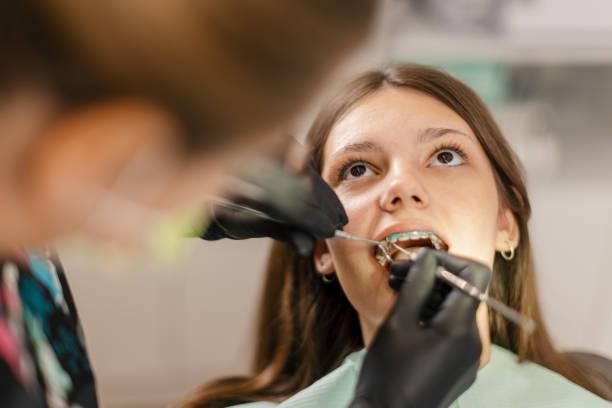
When considering Dental Braces in Dubai, it is helpful to understand what happens from the first consultation through the final stage. Dental braces gradually guide teeth into more suitable positions using controlled pressure. The process can help improve crowded teeth, spacing, crooked teeth, and certain bite concerns.
The orthodontic journey is different for every patient. The type of braces, condition of the teeth, complexity of the alignment, oral health, and individual response can all influence the process and overall duration.
What Happens During the Initial Consultation?
The process generally begins with a detailed dental examination. Your orthodontic professional will assess the position of your teeth, gum health, bite, and overall oral condition.
Depending on your case, photographs, X-rays, digital scans, or impressions may be used to understand the structure of your teeth and jaws.
You can also discuss your concerns, expectations, lifestyle, and preferred appearance. This information helps the professional develop an orthodontic plan suited to your needs.
Choosing the Right Dental Clinic
Selecting a trusted Dental Clinic is an important part of starting orthodontic care. A qualified dental or orthodontic professional should explain your options clearly and answer questions about the braces process.
During the consultation, you can ask about the recommended type of braces, expected timeline, oral hygiene requirements, dietary restrictions, follow-up visits, and retention after braces.
A personalized approach helps ensure that your orthodontic plan is based on your individual dental condition.
How Are Braces Placed?
Once braces have been selected, the brackets are carefully positioned on the teeth. Orthodontic wires are then connected to the brackets to begin applying controlled forces.
The placement process is planned carefully so that the appliance can guide the teeth according to the orthodontic plan.
Your professional will also explain how to brush around the brackets, clean between your teeth, and protect the braces during everyday activities.
What Happens After Braces Are Placed?
It is normal for patients to need some time to become accustomed to their new braces. You may notice pressure or mild tenderness as the teeth begin responding to the orthodontic forces.
Your mouth may also feel different because of the brackets and wires.
Following your professional's instructions during this early stage can make the adjustment period easier and help you understand how to care for your appliances.
How Do Braces Gradually Move Teeth?
Braces apply controlled pressure to selected teeth. This pressure encourages gradual changes in the tissues supporting the teeth, allowing them to move toward planned positions.
The movement is carefully monitored because teeth should not be moved too quickly or without proper control.
Regular appointments allow the orthodontic professional to evaluate progress and make adjustments when needed.
What Happens During Adjustment Visits?
Adjustment visits are an important part of the orthodontic process. During these appointments, your professional checks how your teeth are responding and whether the braces are working according to the plan.
The orthodontic wire or other components may be adjusted to continue guiding the teeth.
These appointments also provide an opportunity to discuss any discomfort, broken brackets, cleaning difficulties, or other concerns you may have experienced since the previous visit.
How Long Does the Process Take?
The overall duration varies from patient to patient. Mild spacing or alignment concerns may require a different timeline from significant crowding or complex bite problems.
Age, tooth position, oral health, individual response, and consistency with appointments can all influence the process.
Your orthodontic professional can provide a more personalized estimate after examining your teeth and creating your orthodontic plan.
Is Discomfort Normal?
Some pressure or mild tenderness may occur after braces are initially placed or adjusted. This is often associated with the gradual movement of the teeth.
Comfort levels vary between patients. Following the professional guidance provided by your dental team can help you manage temporary discomfort.
If you experience severe or persistent pain, contact your dental professional for assessment.
How Should You Clean Your Teeth?
Maintaining excellent oral hygiene is especially important while wearing braces. Brackets and wires can create additional areas where plaque and food particles accumulate.
Brush carefully around each bracket and along the gumline. Cleaning between the teeth is also important for removing debris that brushing alone may not reach.
Regular dental checkups and professional cleaning can further support healthy teeth and gums during orthodontic care.
What Foods Should You Avoid?
Hard, sticky, and chewy foods can increase the risk of damaging brackets or wires. Chewing ice and biting very hard objects can also place unnecessary stress on orthodontic appliances.
Your orthodontic professional can provide specific dietary recommendations based on your braces.
Taking care with food choices can help prevent avoidable appliance problems and reduce interruptions to your orthodontic schedule.
What If a Bracket or Wire Breaks?
Brackets and wires can occasionally become loose or damaged. If this happens, contact your orthodontic professional for guidance.
Do not attempt to repair or remove orthodontic components yourself. Professional attention can help prevent further problems and keep your orthodontic plan progressing appropriately.
Reporting appliance issues promptly is especially important if a loose component causes discomfort.
Can Adults Go Through the Braces Process?
Adults can also undergo orthodontic care when their teeth and gums are suitable. Many adults choose braces to improve crowding, spacing, crooked teeth, or certain bite concerns.
Before starting, the professional may assess existing dental restorations and gum health.
The process for adults can vary depending on their dental condition and the complexity of the alignment concerns.
What Happens Near the End?
As the teeth approach their planned positions, the orthodontic professional continues monitoring alignment and bite. Final adjustments may be made to achieve the planned result.
Once the active orthodontic phase is complete, the braces can be removed.
However, maintaining the new tooth positions remains important after removal.
Why Are Retainers Important?
Teeth can naturally shift after braces are removed. Retainers are commonly used to help maintain the alignment achieved during orthodontic care.
Your orthodontic professional will explain how and when to wear your retainer according to your individual needs.
Following these instructions can help protect the alignment of your smile over time.
Final Thoughts
The dental braces process typically includes an initial consultation, personalized planning, brace placement, regular adjustment visits, careful oral hygiene, and retention after the braces are removed. Understanding each stage can help patients feel more prepared and confident.
Choosing a trusted Dental Clinic, following professional instructions, protecting your braces, and maintaining good oral hygiene can support your orthodontic journey. A professional consultation can determine whether braces are suitable and which treatment approach best fits your dental needs and smile goals.

 English
 French
 Spanish
 Portuguese
 Deutsch
 Turkish
 Dutch
Dutch
 Italiano
 Russian
 Romaian
 Portuguese (Brazil)
 Greek
Greek
